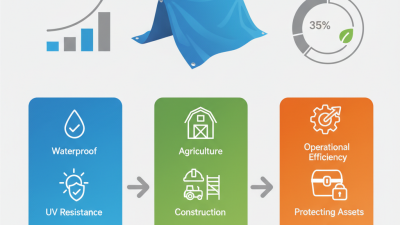
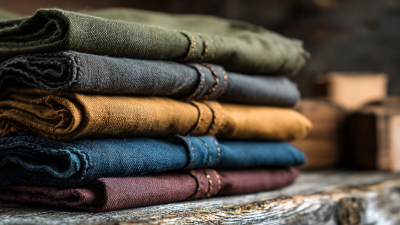
Choosing the right Pe Tarpaulin Roll can honestly feel a bit overwhelming, right? With so many options out there, how do you even know which one is the best fit for what you need? I came across some good advice from John Smith, who’s pretty much an expert in the tarpaulin world over at Tarpaulin Solutions Inc. He mentions that, 'Picking the right material and size really makes all the difference in getting good performance.' Basically, his point is that you really want to understand what the specs are before pulling out your wallet.
Now, Pe Tarpaulin Rolls are super versatile—they’re used everywhere, from construction sites to outdoor parties. But here’s the thing: every project is different, and so are the requirements. For example, the thickness of the tarp can really affect how tough it is. Thicker tarps tend to stand up better against rough weather, but they also tend to be heavier and a little harder to handle. So, it’s all about weighing your options.
Honestly, it’s important to look at both the pros and cons of each choice. Sometimes, folks focus too much on saving a buck and pick something cheaper without thinking about durability, which can backfire big time—like ending up with a tarp that just doesn’t hold up, causing bigger problems down the line. Finding that sweet spot between price, strength, and weight is key. If you keep the long run in mind, you’ll end up making smarter choices overall.
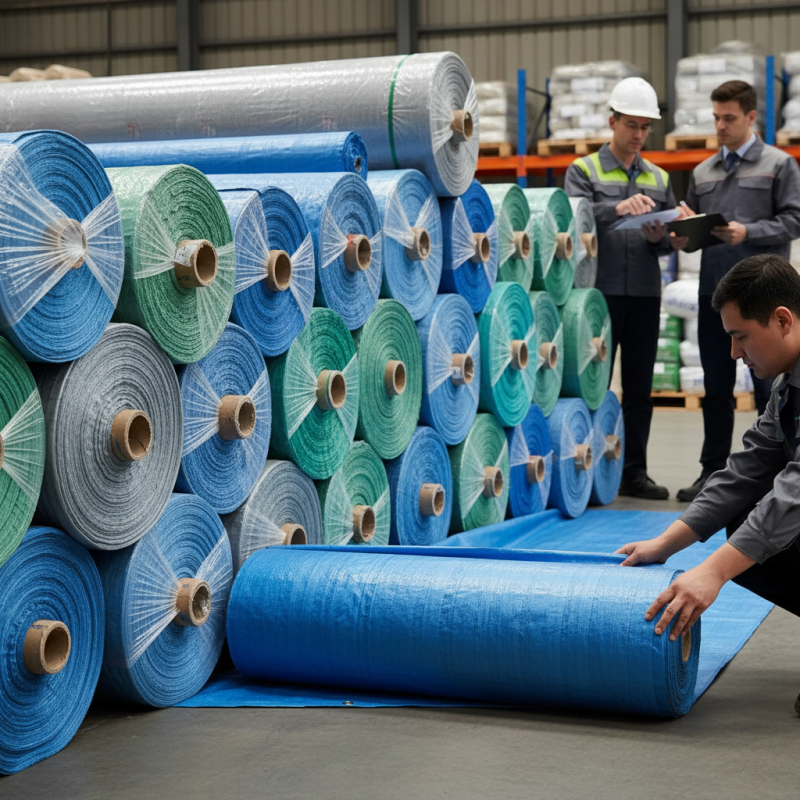
What is a Pe Tarpaulin Roll and Its Common Uses
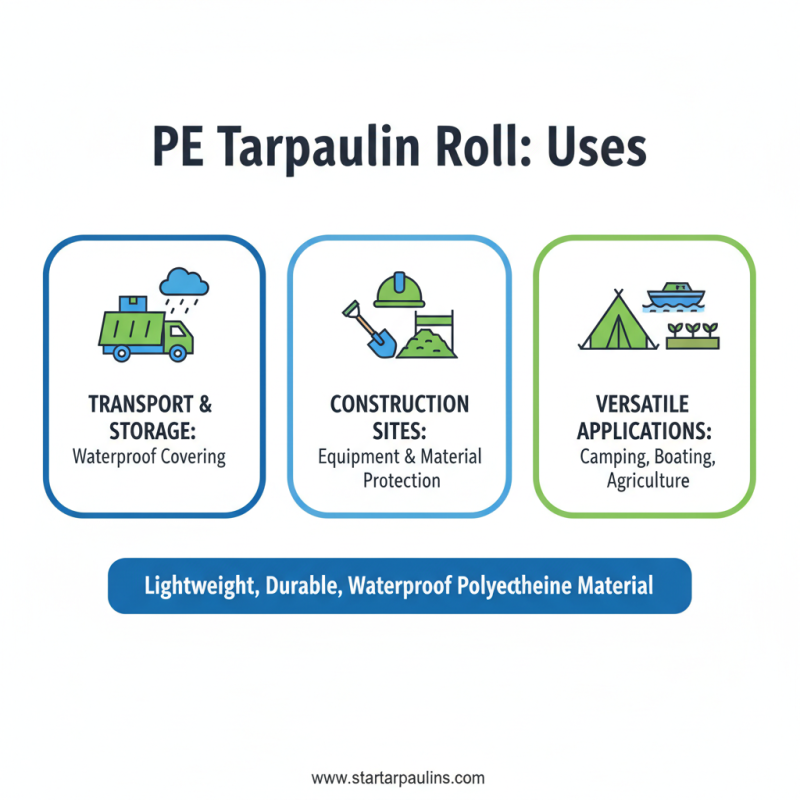
PE Tarpaulin Rolls are versatile materials, widely used in various industries and applications. These rolls are made from polyethylene, making them lightweight yet durable. They provide excellent waterproofing capabilities, making them ideal for covering goods during transport or storage. Construction sites often use tarpaulin rolls to protect equipment and materials from rain and dust.
In agriculture, PE tarpaulins serve multiple purposes. Farmers use them to create temporary shelters for livestock or protect crops from harsh weather. They can also cover hay bales to prevent spoilage. Despite their benefits, choosing the right tarpaulin roll can be challenging. Factors like thickness, UV resistance, and color should be considered for optimal use.
The flexibility of PE tarpaulin rolls makes them a popular choice for DIY projects as well. Campers and outdoor enthusiasts often utilize these rolls for creating quick canopies. However, it’s essential to reflect on the specific needs before making a purchase. Although these rolls are often easy to handle, improper use can lead to tearing or water penetration. Understanding your requirements can help select the best option.
Key Factors to Consider When Choosing a Pe Tarpaulin Roll
Choosing the right Pe Tarpaulin Roll is essential for various projects. First, consider the material quality. PE, or polyethylene, is durable and offers protection against water. Thin tarps may not withstand harsh conditions. A thicker, heavy-duty PE tarpaulin roll often proves more reliable. It’s crucial to match the thickness with your specific needs.
Next, think about size and dimensions. A large PE tarpaulin roll provides ample coverage, but excess material can be cumbersome. Calculate the area you need to cover to find the right fit. Additionally, weigh the benefits of colors. Dark tarps generally absorb heat better, while lighter shades reflect sunlight.
Finally, reflect on your intended use. Whether for camping, construction, or agriculture, the choice will vary. You might realize that a multi-purpose PE tarpaulin roll offers versatility but may not excel in all areas. Assessing your specific tasks and conditions will guide you.
Understanding Different Grades and Thickness of Pe Tarpaulin
When selecting the right PE tarpaulin roll, understanding the different grades and thickness is crucial. Tarps can be light, medium, or heavy-duty. Light-duty tarps are often used for temporary covers. They usually have a thickness of around 100 microns. If you need something more durable, medium-duty options range from 150 to 200 microns. These are suitable for general outdoor usage.
Heavy-duty tarps, often exceeding 200 microns, are designed for the most demanding conditions. They resist tearing, UV rays, and harsh weather. Consider the environment you’ll use the tarp in. Are there sharp objects underneath? A thicker tarp may be the better choice.
However, it’s essential to reflect on your specific needs. Sometimes, a lighter option seems handy but may not hold up for long. Investing in a heavier tarp can save money in the long run. Weighing the pros and cons of each option can help ensure you make the best choice for your situation. Different applications require careful consideration to avoid waste.
Evaluating Weather Resistance and Durability Features
When selecting a PE tarpaulin roll, weather resistance is crucial. This material should withstand rain, sun, and wind without degrading. Consider the thickness of the tarp. Thicker tarpaulins often offer better durability against harsh conditions. But remember, heavier does not always mean better. Excess weight may affect mobility and handling.
Another important feature to evaluate is UV resistance. A tarp with good UV protection prevents fading and deterioration from sun exposure. Testing shows that some tarps lose their structural integrity faster than others. It’s wise to read reviews or consult experts for insights on longevity.
Additionally, think about how the tarp will be used. Will it cover equipment outdoors or act as a groundsheet? Different applications require different durability levels. You might find your needs fluctuate over time. Staying flexible in your decision can lead to better choices in the long run. Explore various options to see what best suits you.
Comparison of Weather Resistance and Durability Features of PE Tarpaulin Rolls
Assessing the Importance of UV Protection in Tarpaulins
When selecting a PE tarpaulin roll, UV protection should be a primary consideration. Tarps often serve outdoor purposes. They are exposed to direct sunlight, rain, and wind. Without adequate UV protection, the material can degrade quickly. Reduced lifespan means more frequent replacements and higher costs over time.
High UV resistance ensures tarpaulins remain effective for longer. A well-protected tarp won’t fade or become brittle under the sun. It also maintains strength and functionality. However, not all tarpaulins offer the same level of UV protection, and discerning the quality requires a keen eye.
Some manufacturers advertise UV protection, but the effectiveness may vary. Comparing specifications and certifications can be tricky. Look for clear indicators of UV resistance. It’s essential to question and analyze the claims made by suppliers. Your choice of tarp could influence the outcome of various projects. This takes thought and sometimes, a little intuition.
Comparing Costs: Budgeting for Your Pe Tarpaulin Needs
When budgeting for your PE tarpaulin needs, remember that costs vary widely. The price of a PE tarpaulin roll depends on several factors, including thickness, size, and intended use. According to industry reports, the cost can range from $0.80 to $3.00 per square meter. Thicker materials typically command higher prices but offer better durability. For example, a 200-micron tarpaulin is significantly more expensive than a 100-micron option.
Consider how you will use your PE tarpaulin roll. Will it be exposed to harsh weather? Will it protect equipment or cover outdoor spaces? Understanding these factors helps determine your budget. Some users find themselves overspending on premium options when basic tarps would suffice. A mid-range product may balance cost and quality effectively. Analyzing your specific needs can lead to significant savings.
Keep in mind hidden costs as well. Shipping fees can add to the overall expense, especially for bulk orders. Additionally, there might be local taxes or tariffs if you purchase from an international supplier. Evaluating the full cost of ownership is essential. Reviewing various suppliers and gathering multiple quotes ensures you're making an informed decision.
Where to Buy Quality Pe Tarpaulin Rolls: Retail vs. Online Options
When considering where to buy quality PE tarpaulin rolls, you face two primary options: retail and online. Each has its pros and cons. Retail stores offer immediate purchase satisfaction but can limit choice and availability. In contrast, online shopping provides a broader range of products, often at competitive prices. According to industry data, approximately 70% of consumers prefer online shopping for convenience.
Online platforms allow you to compare multiple suppliers effortlessly. However, this can overwhelm some. Take time to read product reviews and check seller ratings. Many online sellers provide detailed product descriptions and specifications. This transparency aids in making informed choices about your Roll Up Tarpaulin.
Tip: Consider checking specialty online marketplaces that focus on tarpaulin products. These often target specific needs, improving reliability.
Retail options can allow for in-person inspection. You can assess the materials and quality firsthand. Some users prefer this tactile approach. Yet, it's critical to know the right questions to ask.
Tip: Make sure to inquire about return policies before buying. This reduces the risk of dissatisfaction with your purchase.
FAQS
: PE tarpaulins come in light, medium, and heavy-duty grades. Each grade has specific uses and thicknesses.
A light-duty tarp typically has a thickness of around 100 microns. It’s suitable for temporary covers.
Choose a heavier tarp if you expect harsh weather or sharp objects below. Thicker tarps resist tearing better.
Tarpaulin costs vary based on thickness, size, and intended use. Thicker options usually cost more.
Yes, shipping fees and local taxes can increase the overall price. Always consider these factors in your budget.
Online shopping offers variety and convenience. Retail stores allow for direct inspection but may limit choices.
Reflect on your specific needs. Analyze thickness and usage carefully to avoid overspending on unnecessary features.
Read product reviews and check seller ratings. Details in descriptions help you make informed decisions.
Many overspend on premium tarps when basic options suffice. Analyze your requirements before making a decision.
Understanding return policies reduces dissatisfaction. It protects you if the product does not meet your expectations.
Conclusion
When selecting the best Pe Tarpaulin Roll for your needs, it is essential to understand what a Pe Tarpaulin Roll is and its various common uses, such as providing shelter, protecting equipment, or covering outdoor items. Key factors to consider include the grade and thickness of the tarpaulin, which influence its durability and suitability for specific applications. Additionally, evaluating weather resistance, UV protection, and overall durability features is crucial for ensuring that the tarpaulin meets your environmental demands.
Cost is another critical aspect; budgeting wisely for your Pe Tarpaulin Roll will enable you to find quality options within your price range. Finally, consider where to purchase your tarpaulin rolls, as both retail and online options offer unique advantages. By carefully assessing these factors, you can make an informed decision and select the right PE tarpaulin for your needs.


 Wanggou Industrial Park,Lanshan District, Linyi City, Shandong Province, China