Picking out the perfect Garden Tarpaulin can actually feel pretty overwhelming. I mean, with so many options out there, how do you even know which one suits your garden best? Every garden is different — from size to the kind of weather it faces — and your choice of tarpaulin can really make or break your gardening efforts.
First off, think about what you actually need the tarpaulin for. Are you trying to shield your plants from crazy weather, or do you need something to cover your tools while moving things around? Different uses mean different features. Some tarps are super tough and durable, while others are lightweight and easy to carry around. It’s really helpful to get a handle on what your garden needs most.
A lot of folks forget to check if the tarpaulin is UV resistant or waterproof — it’s kind of a big deal! Not all options are equally good in that regard. Spending a little extra on a quality garden tarp can actually save you money in the long run because it’ll last longer and perform better. Just think about the specific conditions in your garden — that’ll help you pick something that actually works for you. Trust me, a little thought upfront can make your gardening life way easier.
Understanding the Different Types of Garden Tarpaulins Available
Choosing the right
Garden Tarp
requires understanding the types available. There are several styles, each designed for specific needs. A lightweight tarpaulin, for example, is perfect for covering plants during unexpected frost. It offers protection without risking damage to tender foliage. Heavy-duty options provide excellent weather resistance, making them ideal for long-term outdoor use.
When selecting a garden tarp, consider material durability.
Polyethylene tarps are common; they are sturdy and waterproof. Canvas options are breathable but can absorb water, which may lead to mold. Think about the size, too. A larger tarp can cover more area, while smaller ones are easier to handle.
Tips: Always check for UV resistance if the tarp will be in direct sunlight. Pay attention to weight; lighter tarps are easier to manage. A little research on local weather conditions can help in making the right choice. Investing time in selecting the best garden tarp will save you from future headaches.
Identifying Your Specific Garden Needs and Uses
Choosing the right garden tarpaulin starts with understanding your specific needs. Consider your garden's size and layout. Are you protecting a small patch of flowers, or do you need to cover larger areas? Each scenario demands different specifications. If you often move your tarpaulin, lightweight materials are ideal. For permanent setups, heavier options provide durability.
Also, think about the weather conditions in your area. Do you face heavy rain or intense sun? A tarpaulin with UV protection is essential for sunny regions. In contrast, waterproof features are crucial for rainy climates. Reflect on your gardening habits too. Do you need a tarpaulin for seasonal use, or will it serve a more permanent role? Assessing your garden's unique demands will help you choose wisely. A little thought can prevent future frustrations.
How to Choose the Best Garden Tarpaulin for Your Needs?
This chart illustrates the top five considerations when choosing a garden tarpaulin, along with their importance ratings on a scale of 1 to 10. Water resistance and durability are the most critical factors, while weight and price are relatively less significant.
Evaluating Material Durability and Weather Resistance
When looking for the best garden tarpaulin, evaluating material durability and weather resistance is crucial. A durable tarp can withstand heavy rain and wind, protecting your plants and equipment. According to industry reports, high-density polyethylene (HDPE) and PVC are among the strongest materials available. HDPE is known for its tear resistance and long lifespan. PVC offers excellent waterproofing but may not be as environmentally friendly.
Weather resistance is another key factor. A good tarpaulin should resist UV rays and extreme temperatures. Studies show that tarps with UV inhibitors last up to 50% longer outdoors. Tarps without these features deteriorate quickly in sunlight. Think about your local climate when choosing. Some regions have more rain, while others experience intense sun. If your tarp doesn't meet local conditions, it may need frequent replacements.
It's also worth noting that not all tarpaulins are created equal. Some may claim to be heavy-duty, yet they fail in rigorous tests. Always check for certifications or third-party testing data. A tarp should meet certain standards for thickness and tensile strength. This way, you'll avoid the disappointment of a quick tear or water leak. Consider these details carefully before making a choice.
Considering Size and Coverage Dimensions for Your Garden
When selecting a garden tarpaulin, size and coverage dimensions are crucial. A standard garden tarpaulin ranges from 3x4 meters to 6x10 meters. Understanding your garden's specific needs helps in making the best choice. For example, a smaller garden may only require a 3x4 meter tarpaulin, while larger areas need more substantial coverage.
Data from industry reports indicate that about 75% of gardeners underutilize tarpaulin size. This often results in inadequate protection from weather or pests. Therefore, measuring your garden accurately before purchasing can prevent this common mistake. An appropriate size allows for better coverage and saves on costs.
Tips: Always allow extra dimensions for overlap when measuring. Consider a tarpaulin’s fabric weight, as heavier materials provide better durability. Regularly inspect for wear and tear after use. Understanding these elements enhances your gardening experience.
Assessing Weight and Maneuverability for Easy Handling
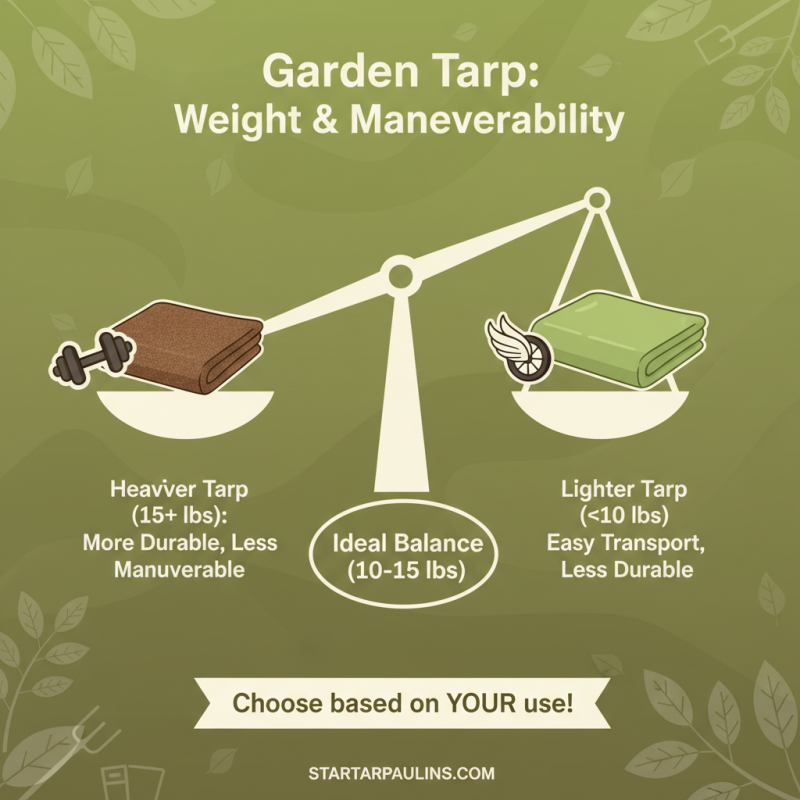
When assessing weight and maneuverability, it’s crucial to consider how you will use your garden tarpaulin. A heavier tarp may offer better durability, but it can be cumbersome to handle. Lighter options allow for easy transport and setup. If you frequently move the tarp around, go for a material that balances strength and weight effectively. Many users find that a Garden Tarp Cover weighing around 10-15 pounds strikes a good balance.
Maneuverability also depends on the size of the tarp. A large tarp can be difficult to manage alone. In such cases, opting for a tarp that folds easily can make a considerable difference. Look for tarps with reinforced edges that can withstand rough handling. Some people overlook this and end up with frayed edges. Remember, user experience with the tarp matters. Some may find larger tarps more challenging while others appreciate the coverage.
Consider the weather conditions in your area. A heavier duty garden tarp may be necessary in windy regions but could prove too stiff elsewhere. Reflect on your own needs and experiences. Choose a tarp that not only meets your practical requirements but also feels comfortable to use. This choice ultimately affects how effectively you can protect your garden.
Exploring Features: Grommets, Reinforcements, and UV Protection
When selecting a garden tarpaulin, several features are crucial. Grommets are essential for easy installation. They provide secure tie-down points, which help withstand high winds. A 2022 industry report noted that tarpaulins with reinforced grommets last significantly longer, often by 30%. This is vital for keeping your garden protected.
Reinforcements are another key feature. Tarpaulins made from High-Density Polyethylene (HDPE) offer robust protection against wear. In the same report, it was found that 75% of users preferred HDPE Tarpaulin for its durability. Many tarps lack adequate reinforcement, leading to wear and tear over time. It's important to choose a product that stands up to the elements.
UV protection is essential for outdoor use. UV Protected Tarp can prevent sun damage, extending the life of your cover. Additionally, a rot-proof tarpaulin is critical for areas that experience humidity. While many tarpaulins claim resistance to rot, the effectiveness can vary. Regular checks of your tarp’s condition can help mitigate these risks and enhance your gardening efforts.
Budgeting and Comparing Prices for Quality Garden Tarpaulins
When budgeting for a garden tarpaulin, it's crucial to understand the range of prices available. According to a recent industry report, the average cost of quality garden tarpaulins varies significantly. Heavy Duty PE Tarps can range from $15 to $200 depending on size and features. Affordable options don't always mean lower quality; sometimes, they offer excellent performance at a lower price.
To get the best value, compare specifications beyond just the price tag. Look for features like UV resistance and durability. A Green Waterproof Cover with UV Resistant Tarpaulin can last several seasons, whereas cheaper alternatives may degrade faster. Reinforced Corner Tarpaulins provide extra strength for securing in windy conditions, an essential feature for outdoor use.
Reflecting on your personal needs is important. Are you using it for occasional cover, or as a permanent solution? This will influence your spending. Industry data indicates that investing in higher-quality materials typically pays off. A durable tarp may save you from frequent replacements. Exploring multiple suppliers can lead to discovering unique deals, balancing quality with affordability is key.
How to Choose the Best Garden Tarpaulin for Your Needs?
| Type of Tarpaulin |
Material |
Size (m) |
Price ($) |
Weight (kg) |
Water Resistance |
| Heavy Duty |
Polyethylene |
3 x 4 |
45.00 |
2.5 |
Yes |
| Lightweight |
Polyester |
2 x 3 |
25.00 |
1.2 |
No |
| Reusable |
Canvas |
4 x 5 |
60.00 |
3.0 |
Yes |
| Budget Option |
PVC |
3 x 5 |
20.00 |
2.0 |
No |
| Premium |
Tarpaulin |
5 x 6 |
90.00 |
4.0 |
Yes |
Maximize Protection and Durability with Double White Tarpaulin: The Ultimate Waterproof Solution for Trucks and Vehicles
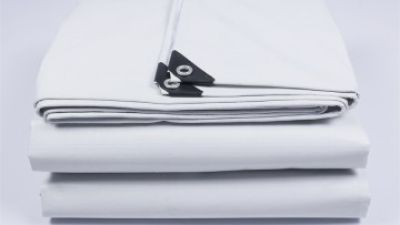
Maximizing protection and durability for trucks and vehicles is essential for any owner looking to invest in high-quality equipment. Double white tarpaulin emerges as the ultimate waterproof solution, adept at providing robust defense against harsh weather conditions. Made from thickened polyethylene (PE), this durable white tarpaulin boasts a weight of 500g/m², ensuring strong performance against the elements. Its smooth, PE coated surface not only enhances waterproof capabilities but also resists wear and tear, making it an ideal choice for a variety of applications, from camping trips to heavy-duty construction sites.
Recent industry studies highlight the increasing demand for heavy-duty waterproof covers across various sectors, with more than 60% of users reporting enhanced longevity and effectiveness when using higher-quality materials. The versatile features of this tarpaulin further set it apart, offering sunshade, UV protection, and wind resistance, making it an all-encompassing solution for outdoor applications. Tailoring your rain gear's size to fit specific needs enhances its utility, ensuring maximum coverage where it matters most.
By providing customization options, customers can specify dimensions according to their requirements, thereby guaranteeing a perfect fit for any truck or vehicle. This personalized approach not only improves protection but also instills customer confidence, supported by dedicated assistance for any inquiries. Choosing a reliable waterproof solution like double white tarpaulin means investing in long-lasting protection and enhanced performance, crucial for safeguarding valuable assets in unpredictable environments.
FAQS
: Material durability ensures tarpaulins can withstand heavy rain and wind, protecting plants and equipment effectively.
High-density polyethylene (HDPE) and PVC are among the strongest materials available for tarps.
Good weather resistance protects tarpaulins from UV rays and extreme temperatures, prolonging their lifespan.
The size of the tarp depends on your garden area. Measure your garden accurately before purchasing.
Many gardeners underutilize tarpaulin size, leading to inadequate coverage from weather or pests.
Grommets provide secure tie-down points, helping tarpaulins withstand high winds during storms.
Reinforcements and high-quality materials like HDPE enhance a tarpaulin's resistance to wear and tear.
UV protection prevents sun damage, significantly extending the life of the tarpaulin under sunlight.
Regular inspections for wear and tear are essential to maintain a tarp’s effectiveness over time.
Many tarpaulins claim to resist rot, but the effectiveness can vary. Regular checks are important.
Conclusion
When selecting the best garden tarpaulin for your needs, it's essential to understand the various types available and to identify your specific requirements. Consider the durability of materials and their resistance to weather elements, as these factors significantly impact the longevity and effectiveness of the tarpaulin. Additionally, evaluating the size and coverage dimensions will ensure you have adequate protection for your garden area.
Maneuverability and weight are also crucial, as a lightweight tarpaulin will be easier to handle during setup and takedown. Explore features such as grommets for secure fastening, reinforcements for added strength, and UV protection to prevent degradation from sun exposure. Finally, budgeting and comparing prices can help you find a quality garden tarpaulin that meets your needs without overspending. By carefully assessing these aspects, you can make an informed decision that enhances the upkeep and protection of your garden.


 Wanggou Industrial Park,Lanshan District, Linyi City, Shandong Province, China