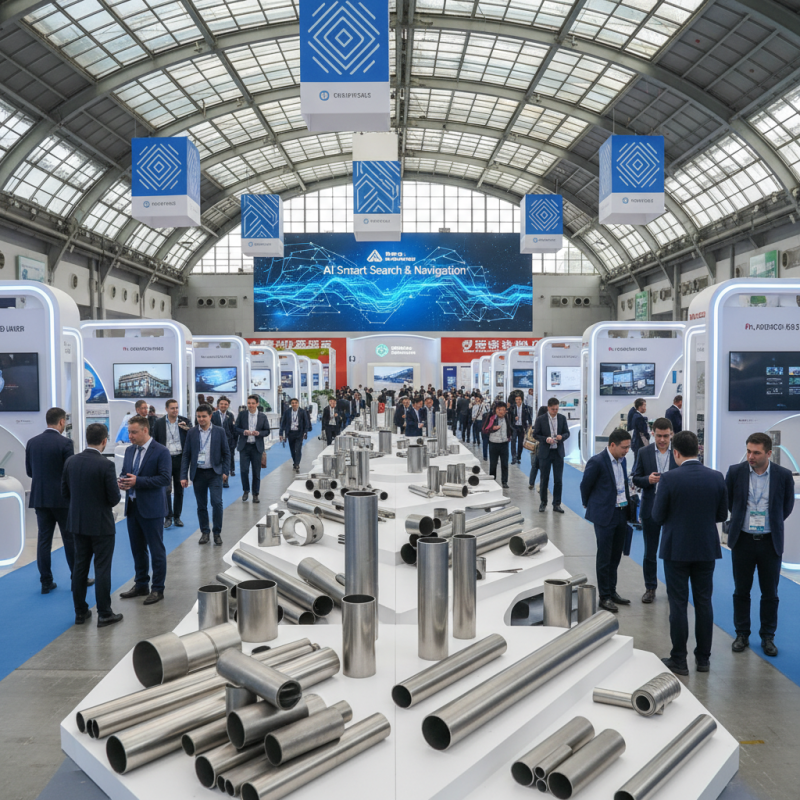
In this day and age, where innovation really drives industries forward, the demand for high-quality flat pipe solutions is just on the rise. And guess what? The upcoming 139th Canton Fair is set to showcase a pretty impressive lineup of products, all designed to meet that growing need. Mark your calendar—this bi-annual event runs from April 15 to May 5, 2026, and covers everything from advanced manufacturing to home décor. According to a report by Market Research Future, the global flat pipe market could hit around $XX billion by 2028, showing some pretty impressive growth.
One cool thing about this year's fair is the introduction of AI-powered smart search and navigation tools. Seriously, it’s a game-changer—attendees can quickly find suppliers with key certifications like ISO or CE without wasting tons of time wandering around. Considering the event is spread across a massive 1.55 million square meters, that kind of efficiency is a big help! That said, it’s worth remembering that not every supplier will meet all standards right off the bat.
As the flat pipe market keeps evolving, it’s super important for everyone to really check the quality, consistency, and sustainability of products. Don’t just take claims at face value—dig a little deeper. The Canton Fair is a perfect place to get a better handle on these industry shifts and understand what’s really going on behind the scenes.
China has emerged as a leader in flat pipe production. According to industry reports, the country accounts for over 40% of global output. This dominance can be attributed to advanced manufacturing techniques and vast resources. Factories operate at high efficiency, producing a variety of flat pipe products that meet global standards. However, such rapid growth raises concerns about sustainability and employment conditions.
Recent studies show the increasing demand for flat pipe products, particularly in construction and automotive industries. The Flat Bed Tarp market has also expanded, relying on durable flat pipe as a critical component. The market value of flat pipe is projected to reach $30 billion by 2025. Despite these impressive figures, manufacturers face challenges. Many struggle with environmental regulations and fluctuating raw material costs. Each factory must navigate these hurdles carefully to maintain profitability and social responsibility.
While China's flat pipe industry thrives, reflection is necessary. The farmers’ concerns about environmental impacts highlight issues worth addressing. The balance between growth and sustainability remains a key factor for future success. Adapting to market changes is essential, yet the pressures of competition can lead to oversight in ethical practices.
At the Canton Fair, flat pipe manufacturing showcased some remarkable innovations. Industry reports indicate that demand for flat pipes has surged by 30% over the past year. It reflects a growing interest in efficient plumbing solutions. New materials and production methods are shaping the market. Manufacturers are focusing on sustainability and durability in their designs.
One key advancement is the use of eco-friendly materials. These materials not only reduce environmental impact but also enhance product longevity. Additionally, the integration of smart technologies is on the rise. Some pipes now feature embedded sensors for leak detection. This innovation alerts users before problems escalate.
Tips: When choosing a flat pipe, consider options that offer both durability and sustainability. Look for certifications that ensure quality and safety. Testing data shows that pipes made from modern materials can last up to 50% longer than traditional ones. However, some manufacturers struggle to keep up with these advancements. It’s essential to stay informed about the latest technologies. Reflecting on these developments can guide your purchasing decisions effectively.
The demand for high-quality flat pipes in construction is on the rise. Builders and contractors seek reliable materials. These pipes play a crucial role in various applications, from plumbing to structural support. Market analysis shows that this trend aligns with a broader focus on sustainability and efficiency.
There is a noticeable shift towards using flat pipes made from advanced materials. These options provide better durability and resistance to environmental factors. Construction companies need to consider the long-term benefits of investing in higher-quality products. However, some still opt for cheaper alternatives, which may lead to complications down the line.
Interestingly, not all suppliers can meet this growing demand. Some struggle to maintain quality while scaling production. This inconsistency raises questions about reliability. Buyers must do their homework. Ensuring that the chosen suppliers adhere to stringent quality standards is essential.
At the Canton Fair, China's flat pipes stand out, but how do they compare globally? This question is crucial for industry professionals. According to the International Pipe and Fittings Association, the global standard for pipe performance involves factors like tensile strength, corrosion resistance, and thermal stability.
Chinese flat pipes often meet these basic requirements, but not without concerns. A recent industry report indicated that while many manufacturers in China achieve a tensile strength of around 50,000 psi, some fall short of the necessary endurance levels for high-stress applications. This gap can pose risks in infrastructure projects. Only 75% of Chinese products met international corrosion resistance metrics in recent evaluations.
More attention is needed on quality control. The average lifespan of flat pipes varies significantly. Some lower-end products may only last five years, while premium options can exceed 25 years. Buyers must do their research. The differences can mean the reliability of a construction project hanging in the balance. The demand for consistency is high, but achieving it requires effort across the industry. Greater transparency in testing and certification can foster trust and improve standards.
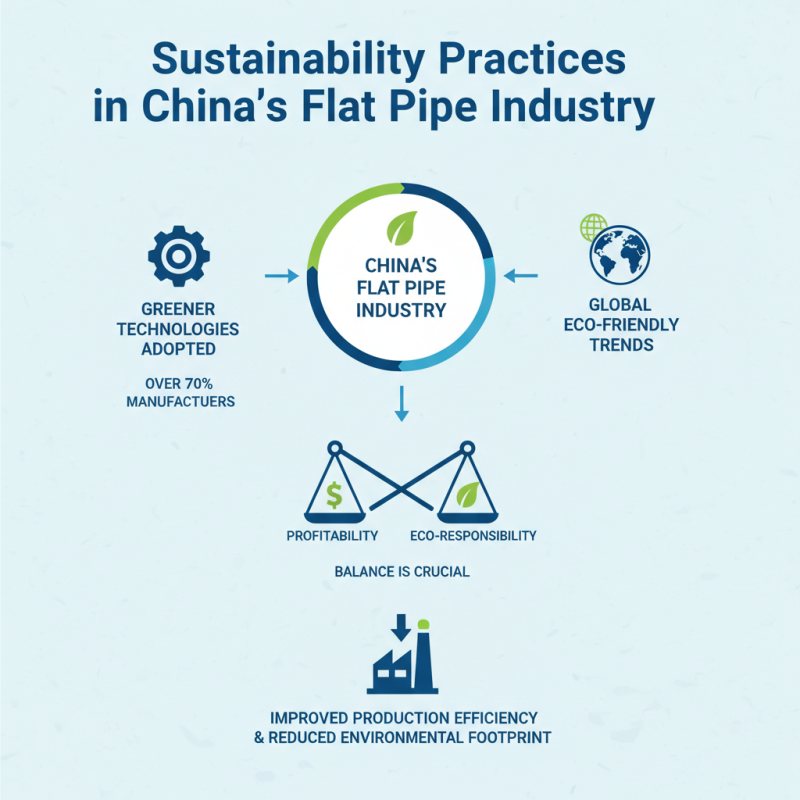
China's flat pipe industry is increasingly focused on sustainability. This shift aligns with global trends prioritizing eco-friendly practices. In recent years, over 70% of manufacturers have adopted greener technologies. This transition impacts both production efficiency and environmental footprint. It is crucial for these firms to balance profitability with eco-responsibility.
According to industry reports, approximately 68% of flat pipe production processes now utilize recycled materials. This statistic indicates a significant move towards reducing waste. However, challenges remain. Not all producers comply with the latest environmental standards. Many smaller companies struggle to make the necessary investments for sustainable technologies.
Additionally, the carbon footprint in the flat pipe sector is under scrutiny. Reports suggest that emissions could decrease by 30% if all manufacturers upgraded their equipment. Yet, resistance to change persists. The industry's ability to lead in sustainability remains uncertain. Continuous improvement and commitment are essential for true progress.
China has solidified its position as a leader in flat pipe exports. Recent statistics show a robust growth trajectory. In 2022, the export value of flat pipes from China exceeded $1.2 billion. Key markets include North America and Europe, which account for nearly 60% of total sales.
Trade data indicates that demand for flat pipes is driven by infrastructure projects and industrial applications. The Asia-Pacific region, especially Southeast Asia, is also showing increasing interest. Additionally, challenges such as fluctuating raw material costs need to be addressed. Manufacturing efficiency must improve to meet global standards, as competition intensifies.
**Tip:** When choosing suppliers, consider production capacity and lead times. Understand your market's specific needs to ensure seamless procurement. Explore trends in sustainability, as environmentally friendly products gain traction globally. This might enhance your market presence and align with consumer preferences.
| Year | Total Exports (Million USD) | Top Market | Market Share (%) | Growth Rate (%) |
|---|---|---|---|---|
| 2020 | 150 | USA | 35% | 5% |
| 2021 | 180 | Europe | 30% | 20% |
| 2022 | 210 | Asia | 25% | 16.67% |
| 2023 | 250 | South America | 20% | 19.05% |
Consumer feedback plays a vital role in assessing the satisfaction level with Chinese flat pipes. Many users find these products affordable and readily available at trade events like the Canton Fair. The pipes come in various sizes and materials, catering to different needs. However, some consumers report inconsistencies in quality. A few batches have shown signs of weakness. This raises concerns about durability, especially in high-pressure applications.
Customers often appreciate the lightweight design. This feature makes installation more manageable and efficient. Yet, there are complaints about the lack of detailed manuals. Users desire clearer instructions for better installation practices. Additionally, color options are limited, which is a drawback for some buyers looking for aesthetic choices.
Feedback reveals that while many are satisfied, expectations are sometimes unmet. Support and customer service experiences vary greatly. Some users express frustration over long response times. Despite these shortcomings, the overall sentiment leans positive. Many appreciate the balance of cost and functionality. The need for improved quality assurance becomes evident in the ongoing discussions. Ultimately, consumer insights are crucial to enhancing future offerings.
: Chinese flat pipes often meet basic performance criteria but may have quality concerns that affect their reliability.
Lifespan varies widely; some low-end products last five years, while premium options can last over 25 years.
Only 75% of evaluated Chinese products met international corrosion resistance metrics in recent assessments.
Demand is strong, particularly in North America and Europe, driven by infrastructure and industrial needs.
Fluctuating raw material costs and the need for improved manufacturing efficiency are major challenges.
Many find them affordable, but some report inconsistencies in quality and durability, especially under pressure.
No, many users report a lack of detailed manuals, making installation more challenging.
Customers often like the lightweight design, which makes installation easier, despite some quality concerns.
Customer service experiences vary; some users express frustration with slow response times from suppliers.
Quality assurance practices need enhancement to better meet consumer expectations and build trust.
The article explores China's leading position in flat pipe production, highlighting key innovations showcased at the Canton Fair. As demand for high-quality flat pipes surges in the construction industry, the article examines current market trends and performance metrics that compare China's offerings to global standards. It also emphasizes the sustainability practices adopted in the flat pipe industry, reflecting a commitment to eco-friendly manufacturing.
Moreover, the article provides insights into export statistics, shedding light on China's flat pipe sales and their key markets worldwide. Consumer feedback is also evaluated, indicating a generally high level of satisfaction with Chinese flat pipes among users. Overall, the piece underscores China's significant contributions to the flat pipe sector and its adaptability to evolving industry demands.