Canvas tarps are pretty versatile covers, and you'll see them popping up in all sorts of industries—whether it's farming, construction, or outdoorsy stuff. I read somewhere that the global market for tarps is expected to grow a lot soon, mainly because people are really looking for tough, reliable protective solutions. Honestly, canvas tarps are a favorite for many because they’re strong and can handle weather pretty well. Plus, they offer much better UV protection than those cheap plastic ones, making them perfect for outdoor use.
But here’s the thing: when you're shopping for a canvas tarp, it’s easy to overlook some important details. Things like weight, how tightly it’s woven, and whether it resists water are actually pretty crucial. I’ve seen folks assume all canvas tarps are the same, which is a mistake. Not every manufacturer sticks to high standards, and that can mean you end up dealing with tears or damage sooner than expected—which, of course, can hit your wallet hard. So, checking out reviews and recommendations from trusted sources can really help you find a solid product and avoid headaches.
As new materials and innovations keep coming out, the market is evolving quickly. That means there are better, longer-lasting options out there, but, honestly, you gotta be a bit careful. Always look for industry certifications and see what other users are saying. Knowing how to evaluate a good canvas tarp can save you a lot of trouble and money in the long run—and that’s worth taking the time to do.
What Are Canvas Tarps and Their Common Uses?
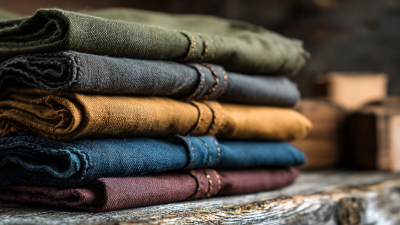
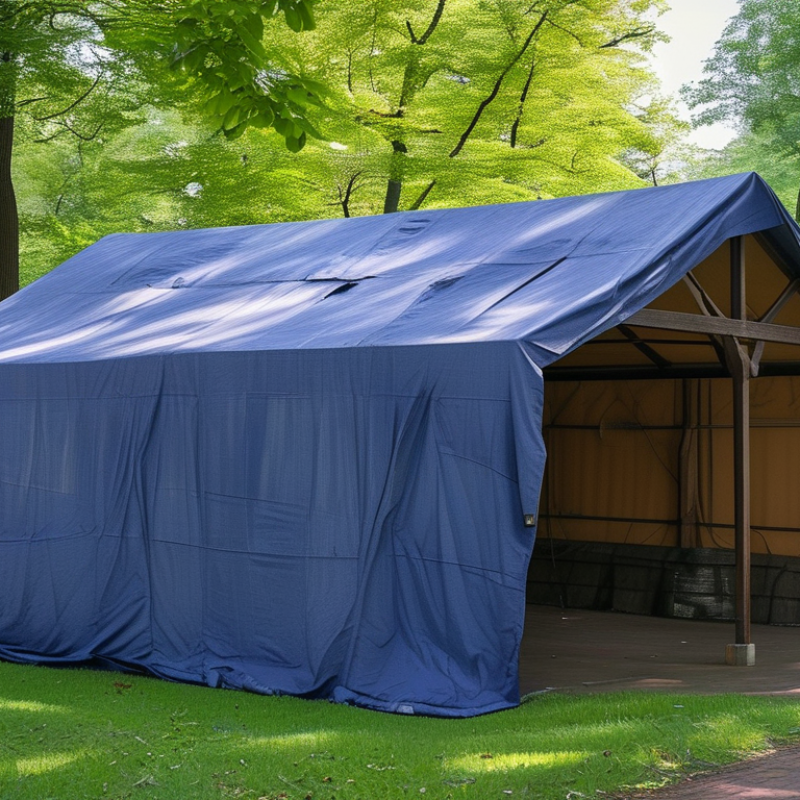
Canvas tarps are versatile and durable covers made from woven cotton or synthetic fibers. They are commonly used in construction, agriculture, transportation, and outdoor events. Their strength makes them ideal for protecting equipment, covering loads, or providing shelter from the elements. A canvas tarp can withstand harsh weather conditions, offering protection against rain, snow, and UV rays. In many cases, they are preferred over plastic tarps due to their breathability and longevity.
When choosing a canvas tarp, consider factors like material, weight, and size. Hardwearing canvas fabric can be treated for water resistance, adding to its functionality. For instance, a heavy-duty tarp might be necessary for construction sites where durability is critical. The size should match your intended use, whether covering a boat or providing a shade for an outdoor event. It's important to reflect on specific needs, as overestimating requirements can lead to wasted resources. Also, sometimes materials may not perform as expected despite looking robust.
Inspecting the seams and grommets is vital, as these areas often endure the most stress. Ensuring they are reinforced can prevent tearing during use. Lastly, while many users value the versatility of canvas tarps, some might find them cumbersome when stored or transported. Balancing between practicality and mobility can be a challenge.
Key Features of High-Quality Canvas Tarps
When choosing a canvas tarp, understand the key features that ensure quality and performance. A high-quality canvas tarp is usually made from durable, heavy-duty materials. Look for a significant weight per square yard, as this indicates strength. Good tarps often have a water-resistant treatment, making them ideal for protecting goods from rain and moisture. Canvas is breathable, preventing mold and mildew growth, which is essential for outdoor storage.
Check the stitching details; reinforced seams contribute to the longevity of the tarp. Double-stitched seams enhance durability. Grommets are another crucial element. They should be rust-resistant and evenly spaced for easy tie-down options. This feature helps secure the tarp, especially in windy conditions.
Color can also be significant. Light colors reflect sunlight and reduce heat build-up. Dark colors may offer better UV resistance. Some users overlook the importance of proper strength ratings. It's essential to consider the tarp's purpose before making a decision. Whether it's for covering outdoor furniture or protecting equipment, understanding these features leads to better choices. Remember, not all canvas tarps are created equal, and sometimes, the best choice requires thoughtful consideration and some trial and error.
Types of Canvas Tarps: Heavy-Duty vs. Lightweight
When selecting canvas tarps, choosing between heavy-duty and lightweight options is crucial. Heavy-duty tarps are robust and designed for demanding tasks. They often resist tearing and wear, making them suitable for construction sites or heavy machinery cover. A thick fabric enhances durability against harsh weather conditions, ensuring protection over time.
On the other hand, lightweight canvas tarps offer mobility and ease of use. They are ideal for quick covers or temporary solutions. Their lighter weight can make them easier to transport and store. However, they might not withstand severe conditions, especially in heavy wind or rain.
Consider the specific application before making a choice. Heavy-duty tarps excel in longevity but can be cumbersome. Lightweight options are more versatile but might require more frequent replacement. It is essential to evaluate your needs and environment carefully. Reflecting on the balance between strength and convenience can guide your decision effectively.
Factors to Consider When Choosing Canvas Tarps
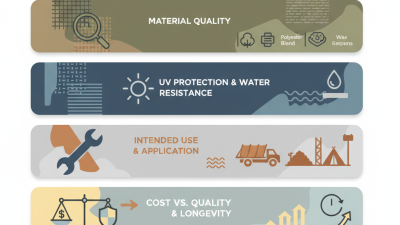
When choosing canvas tarps, several factors come into play. The material quality is crucial. A durable tarp resists tears and wears, ensuring longevity. Look for heavy-duty options that can withstand harsh weather conditions. The fabric's weave also impacts its strength. A tighter weave provides better protection against elements.
Another vital consideration is the size. Measure your area accurately to avoid gaps or excess fabric. A well-fitted tarp offers optimal protection and stability. Weight is also an important factor. Heavier tarps tend to be more robust, but they can be cumbersome. Balance weight and usability according to your needs.
Finally, think about grommets and edges. Reinforced corners help with securing the tarp effectively. Weak points can lead to failures, especially during high winds. Reflect on how you plan to use the tarp. Different applications, like camping or shielding equipment, may require different features. Knowing these details will guide you in making an informed decision.
Comparing Canvas Tarps to Other Tarp Materials
Canvas tarps have become a popular choice among various tarp materials available today. When comparing canvas to polyethylene or vinyl, there are significant differences in durability and breathability. A report by the Tarp Industry Association indicates that canvas tarps provide superior UV resistance and can last up to five times longer than their plastic counterparts under similar conditions. This makes them ideal for long-term outdoor applications.
However, not all canvas tarps are created equal. Different weaves, weights, and treatments can significantly impact performance. Heavy-duty canvas offers better resilience against heavy winds and rain. Yet, it also comes with a higher price tag. On the other hand, lightweight options may be less durable, leading to more frequent replacements. This could be costlier over time.
It’s essential to consider your specific needs before choosing a tarp. Do you require waterproofing? Or do you need something breathable for ventilation? Understanding the intended use will guide your choice. For versatility, look for a canvas tarp with a waterproof coating. This feature balances breathability and protection from moisture. Moreover, reflect on how often you will use the tarp; frequent users may prefer investing in a higher-quality option.
Durability is critical, but so is maintenance. Canvas requires regular cleaning to avoid mold and deterioration. A simple wash with mild soap and thorough drying will extend its lifespan. Keep these factors in mind to make a well-informed decision.
Care and Maintenance Tips for Canvas Tarps
Canvas tarps require proper care for longevity. Regular cleaning is essential to prevent dirt and mildew accumulation. A simple mixture of mild soap and water works well. Use a soft brush to scrub the tarp gently, focusing on stubborn stains. Always rinse thoroughly and let it air dry completely before storage. This minimizes damage and maintains its color.
Storage plays a significant role in tarp maintenance. Ideally, store your canvas tarp in a cool, dry place to avoid moisture issues. Avoid folding it in the same places repeatedly, as this can create creases over time. Instead, roll it up loosely, allowing for air circulation. Keeping it off the ground with a tarp bag can further protect it from pests.
Inspecting your tarp regularly is crucial. Look for any signs of wear, such as fraying edges or small holes. Addressing these issues early can prevent larger problems down the line. When repairing, use appropriate patches made for canvas material. Even for well-maintained tarps, occasional fading may occur, so consider this when planning for long-term use.
Where to Buy the Best Canvas Tarps and Brands to Consider
When considering where to purchase canvas tarps, it's essential to assess the reputation of suppliers. Choosing a supplier with a strong track record is crucial. According to a recent industry report, reputable suppliers tend to have a return rate of less than 5%. This statistic highlights the importance of customer satisfaction and product durability. Additionally, industry professionals suggest reading customer reviews to gauge the performance of various brands.
A variety of online platforms offer a wide selection of canvas tarps. Many websites provide detailed product descriptions. Look for those that include material specifications and user reviews. Some sites publish annual rankings of top brands based on performance metrics. Reports suggest that tarps with a higher denier count generally offer increased tear resistance. This is a critical detail to consider, especially for heavy-duty applications.
Local hardware stores also present options. Inspecting the product in person can provide insights into quality. Industry insiders often recommend checking for features such as reinforced grommets and waterproofing. These details matter significantly in real-world use. However, buyer beware: not all products are created equal. Some lower-priced options may lack durability, leading to quick wear and tear. Investing in a higher-quality tarp often pays off in the long run.
FAQS
: Look for durable materials that resist tears and wear. Heavy-duty options perform better in harsh weather.
Size is vital. Measure accurately to avoid gaps or excess fabric for optimal protection and stability.
Heavier tarps are usually more robust. However, they can be cumbersome. Balance weight with usability.
Reinforced corners enhance securing. Weak points can lead to failures in high winds, so check for strength.
Consider your specific needs. Waterproofing or breathability will guide your choice in tarp material.
Regular cleaning is essential. Use mild soap and dry thoroughly to prevent mold and extend lifespan.
Durable tarps last longer and can withstand challenging conditions. Cheap options may cost more in replacements.
Check reputable suppliers with strong track records. Read customer reviews to gauge performance.
Yes, inspecting products allows better assessment of quality. Look for specific features that enhance durability.
Beware of low-priced options that may lack durability. Research product specifications and reviews carefully.
Conclusion
Canvas tarps are versatile and durable covers commonly used for various applications, such as protecting equipment, camping, and construction sites. Made from strong fabric, these tarps can withstand harsh weather conditions and provide a reliable shield from rain, sun, and debris. When selecting canvas tarps, key features to consider include the weight, waterproofing, and breathability, with options typically falling into heavy-duty or lightweight categories.
It's essential to evaluate factors like intended use, budget, and maintenance requirements when choosing the best canvas tarp. Proper care, such as cleaning and storing them correctly, ensures longevity. Compared to other tarp materials, canvas tarps offer unique benefits such as durability and environmentally friendly properties. For those seeking quality options, it’s crucial to explore reputable sources for purchasing canvas tarps, enabling users to find the perfect solution for their specific needs.


 Wanggou Industrial Park,Lanshan District, Linyi City, Shandong Province, China