Canvas tarps are pretty versatile and sturdy coverings, made from tightly woven cotton or synthetic fibers. You'll find them being used in all sorts of ways across different industries. Whether you're camping out or working on a construction site, these tarps are great for shielding you from the weather. Their durability really makes them perfect for outdoor stuff.
Using Canvas Tarps gives you a lot of options—you can cover up equipment, set up a quick shelter, or even lay them down as ground covers. Lots of industries rely on these, honestly, because they're so practical. Just a heads up, though—picking the right size and type is super important. Choosing the wrong one might leave you feeling pretty disappointed.
Now, gotta be honest—quality can vary quite a bit. Sometimes people buy them, and then find out the material isn’t as tough as they expected. So, it’s worth doing a little homework before you buy to make sure you get a good one. While they’re generally reliable, not all Canvas Tarps are created equal. Knowing their limits can really help you get the most out of them without any surprises.

What is a Canvas Tarp?
A canvas tarp is a versatile and durable cover made from heavy-duty cotton or synthetic materials. It offers excellent water resistance and protection against the elements. Many people use it for outdoor activities, camping, or construction projects. The sturdy nature of canvas tarps means they can withstand rough handling and harsh weather conditions.
People often underestimate the usefulness of a canvas tarp. It's not just an overhead cover but serves various purposes. You can use it to create a makeshift shelter or to cover equipment and vehicles. Some even use it as a ground cover during picnics or while working in the garden. The creative ways people employ tarps show their adaptability. A quick mistake can lead to forgetting its proper care. Failing to clean it after muddy use could lead to mold or degradation.
When using a canvas tarp, be aware of its limitations. Heavy winds can sometimes lift it, causing potential damage to whatever it's supposed to protect. Ensure it is secured properly for safety. The imperfections in handling tarps often lead to learning valuable lessons about preparation and adaptability in outdoor settings. Consider your needs carefully, and a canvas tarp could be a valuable addition to your gear.
History and Evolution of Canvas Tarps
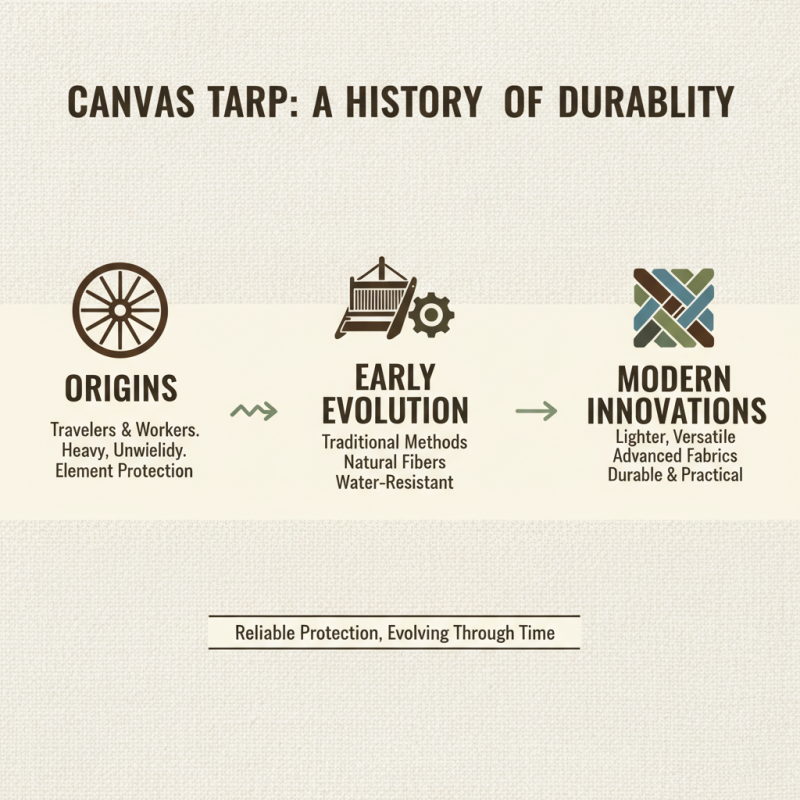
The canvas tarp has a rich history rooted in practicality and durability. Originally used by travelers and workers, it offered reliable protection against the elements. Its evolution began with traditional methods—heavy, unwieldy materials that were often hard to manage. Over time, innovations in fabric technology allowed for lighter, more versatile tarps.
Initially, canvas tarps were crafted from tightly woven cotton. This material was ideal for water resistance but cumbersome. As demand grew, manufacturers experimented with synthetic blends. These modern tarps became more flexible and easier to handle. Today, canvas tarps are seen in various applications, from camping to construction sites. They provide shelter, cover, and protection, blending functionality with adaptability.
While canvas tarps have evolved significantly, there are challenges. Some still prefer the original cotton canvas for its breathability. However, synthetic options can lack the rustic aesthetics of traditional designs. Users must weigh durability against ease of use. It's a balancing act, often requiring personal reflection to find the right fit for their needs. Choosing a tarp is not just a decision; it’s an exploration of history and practicality.
Materials Used in Canvas Tarps
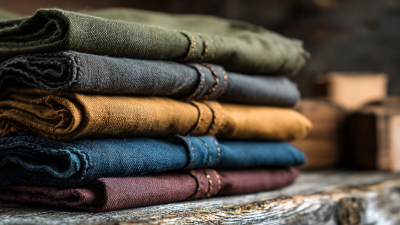
Canvas tarps are made from tightly woven cotton or synthetic fibers. These materials provide durability and strength. Cotton canvas is breathable and absorbent. It can handle various weather conditions. Synthetic options, like polyester, are often waterproof. They are lightweight yet tough.
The selection of material affects usage significantly. A heavy-duty canvas tarp can withstand heavy loads. Lighter versions are easier to handle but may tear more easily. Consider your needs carefully. A tarp used for camping requires different material than one for construction sites.
The colors and treatments of canvas tarps also vary. Some tarps are treated for UV resistance. Others are coated for waterproofing. Each treatment impacts lifespan and effectiveness. It's essential to assess these features honestly. Sometimes, buying a cheaper option can mean sacrificing quality. Make your choice with care.
Common Uses of Canvas Tarps in Various Industries
Canvas tarps are versatile tools widely used across various industries. In construction, they serve as protective covers during projects. They shield materials from rain and dust, ensuring quality work. Workers often lay down tarps to catch debris, maintaining a cleaner site. These heavy-duty tarps withstand wear and tear, making them ideal for rugged environments.
In agriculture, farmers utilize canvas tarps to cover crops. They help regulate temperature and protect against pests. Some farms use tarps for composting, enhancing the quality of organic matter. When it rains, tarps prevent soil erosion, keeping the land healthy.
In recreational activities, such as camping, canvas tarps provide essential shelter. They block wind and rain, creating a cozy space. Some hikers carry tarps as emergency gear. Though durable, these tarps require regular maintenance. A torn edge can lead to moisture problems. It's crucial to inspect tarps and address any wear promptly.
How to Properly Care for and Maintain a Canvas Tarp
To maintain a canvas tarp's lifespan, proper care is essential. Regular cleaning helps prevent dirt buildup and mold growth. Studies indicate that clean tarps can last significantly longer—up to 50% more if maintained correctly. Use a soft brush and mild soap for gentle cleaning. Avoid harsh detergents as they can damage the fabric.
Tips: Always dry your tarp completely before storing it. A damp tarp invites mildew. When rolled, keep it in a well-ventilated area to discourage moisture retention.
Inspect your tarp regularly. Look for signs of wear or fraying edges. Repair small holes immediately to prevent larger tears. Research shows that untreated damages can lead to a 30% reduction in durability. Proper repairs can increase a tarp's longevity.
Tips: Use fabric patches and quality adhesive to mend tears. This DIY approach saves money and extends the tarp’s usefulness. Storing your tarp properly is equally important. A secure, dry, and cool place can make a difference. Neglect may result in unexpected wear and tear.
Choosing the Right Canvas Tarp for Your Needs
Choosing the right canvas tarp is crucial for various applications. Canvas tarps are versatile and durable. They serve multiple purposes, from covering vehicles to providing shelter in outdoor activities. According to a recent industry report, 70% of outdoor enthusiasts prefer canvas tarps for camping because of their breathability and strength.
Consider your specific needs before making a purchase. Choose the right size to ensure proper coverage. A tarp that is too small may not provide adequate protection. Similarly, a tarp that is too large can be cumbersome. Pay attention to the weight and material. Heavy-duty options often last longer but can be challenging to maneuver.
Take into account the environmental factors where you'll use the tarp. Will it be exposed to rain, sun, or snow? Canvas offers excellent water resistance but requires proper care. Some users neglect maintenance, leading to reduced longevity. Moreover, check the seams and grommets. Weak points can lead to failures when you need the tarp most. Reflecting on these details can save you from frustration later. Choose wisely to match your activities and demands.
What is a Canvas Tarp and How is it Used? - Choosing the Right Canvas Tarp for Your Needs
| Feature |
Description |
Common Uses |
Size Options |
| Material |
Made from heavy-duty cotton fibers, usually treated for water and mildew resistance. |
Tarps, covers for trucks, tents, and outdoor events. |
Typically available in sizes from 5x7 ft to 20x30 ft. |
| Weight |
Varies based on fabric thickness; generally heavier for durability. |
Construction sites, camping, and agricultural applications. |
Lightweight (6 oz) to heavy-duty (14 oz). |
| Color |
Common colors include green, brown, and blue; some may be reflective. |
Outdoor use, visibility in low light conditions. |
Various color options available based on manufacturer. |
| Features |
Grommets for easy tie-down, reinforced edges to prevent fraying. |
Emergency shelters, tarp tents, and utility covers. |
Custom sizes may also be available. |
Safety Considerations When Using Canvas Tarps
When using canvas tarps, safety is a key concern. It’s essential to understand how to handle them properly. These tarps can be heavy and cumbersome. Be cautious when lifting or moving them. Always use proper lifting techniques to avoid strain. Wet tarps can be even heavier, so take extra care when handling them.
Tips: Wear gloves to improve your grip. This can help prevent slips and reduce the chance of injury. Always ensure that the area around you is clear. This minimizes the risk of trips and falls while you're working.
Avoid using tarps in windy conditions. They can catch the wind easily and may become uncontrollable. If a tarp is not secured properly, it can pose a hazard to others around you. Consider adding weights or staking them down to ensure stability.
When finished, store them carefully. A damp tarp left in a pile can develop mold. Inspect it regularly for damage or wear. Recognizing these factors early can save you from bigger issues later.
Usage Distribution of Canvas Tarps
Ultimate Guide to Choosing and Using Heavy Duty Truck Tarps for Tractor Trailers
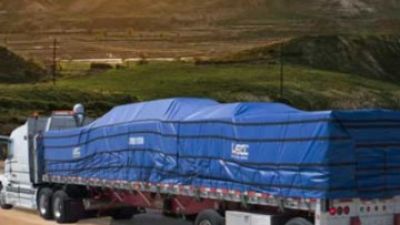
When it comes to transporting goods via tractor trailers, choosing the right heavy-duty truck tarps is crucial for ensuring the protection of your freight. These tarps serve as a vital barrier against extreme weather conditions, accidental damage, and other potential hazards that could jeopardize the safety and integrity of your cargo. By investing in robust tarpaulins, you can safeguard your shipments from rain, wind, snow, and harmful UV rays, providing peace of mind during transit.
Heavy-duty truck tarps come in a variety of sizes and materials to accommodate different types of freight and freight configurations. Whether you are hauling equipment, construction materials, or livestock, there is a tarp designed specifically for your needs. Our selection includes tarps that feature reinforced seams, heavy-duty grommets, and UV-resistant coatings, ensuring durability and longevity. Furthermore, the versatility of these tarps means they can be used in multiple applications, making them an essential tool for any truck operator or fleet manager.
Choosing the right tarp involves considering factors such as the weight of your load, the expected weather conditions during transport, and the specific requirements of your cargo. With the right heavy-duty tarpaulin, you not only protect your freight but also enhance your operational efficiency and reduce the risk of costly damages.
FAQS
: The product aims to enhance your daily experience. It offers useful features.
Start by reading the manual. Familiarize yourself with basic functions first.
Many users report positive outcomes. It may be beneficial, but results vary.
Check the troubleshooting section in the manual. If issues persist, seek support.
A warranty is often offered. Review the terms for specific details and duration.
Regular cleaning is essential for optimal performance. Follow recommended care routines.
Conclusion
Canvas tarps are versatile, durable coverings made from heavy-duty fabric, traditionally used for various protective purposes. Their history spans centuries, evolving from simple, handmade items to modern, industrial-grade tarps available in a range of materials. Commonly used across different industries, canvas tarps serve tasks such as protecting equipment, covering vehicles, and providing shelter in outdoor settings.
Proper care and maintenance are crucial for prolonging the lifespan of canvas tarps, including regular cleaning and storage practices. When selecting a tarp, it is essential to consider specific needs, such as size, weight capacity, and environmental exposure. Additionally, safety considerations should not be overlooked, ensuring that users are aware of potential hazards and usage guidelines to maximize the effectiveness of canvas tarps in various applications.


 Wanggou Industrial Park,Lanshan District, Linyi City, Shandong Province, China