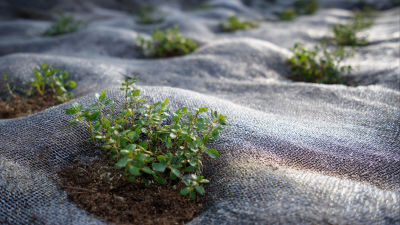
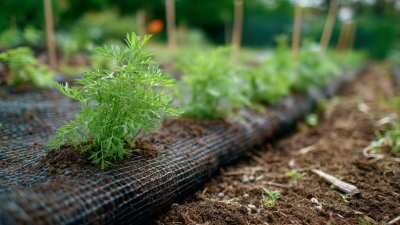
When it comes to gardening, keeping your garden lush and thriving often depends on how effectively you manage weeds. A good Weed Control Mat can really be a gardener’s best friend—acting as a barrier to those pesky unwanted plants, while also helping your soil stay healthy. Dr. Jane Greenfield, who’s pretty much an expert in sustainable gardening, highlights how important these mats are; she says, "Using a good-quality Weed Control Mat not only cuts down on chemical herbicides, but it also helps keep the garden’s biodiversity intact."
These mats come in all sorts of materials and styles, each suited to different gardening needs. Understanding what each offers can help you pick the right one for your garden, and it can even make maintenance a whole lot easier. Plus, using the right weed barrier can encourage healthier plants by protecting their roots and keeping moisture in. With the right choice, you’ll be able to grow vibrant, healthy plants—without being overrun by invasive weeds.
As we look at the top ten Weed Control Mats out there, it’s worth thinking about how they can really change your gardening game—making it more fun and way more productive. Trying out these smarter solutions not only boosts your garden’s look but also shows you’re serious about eco-friendly gardening practices.
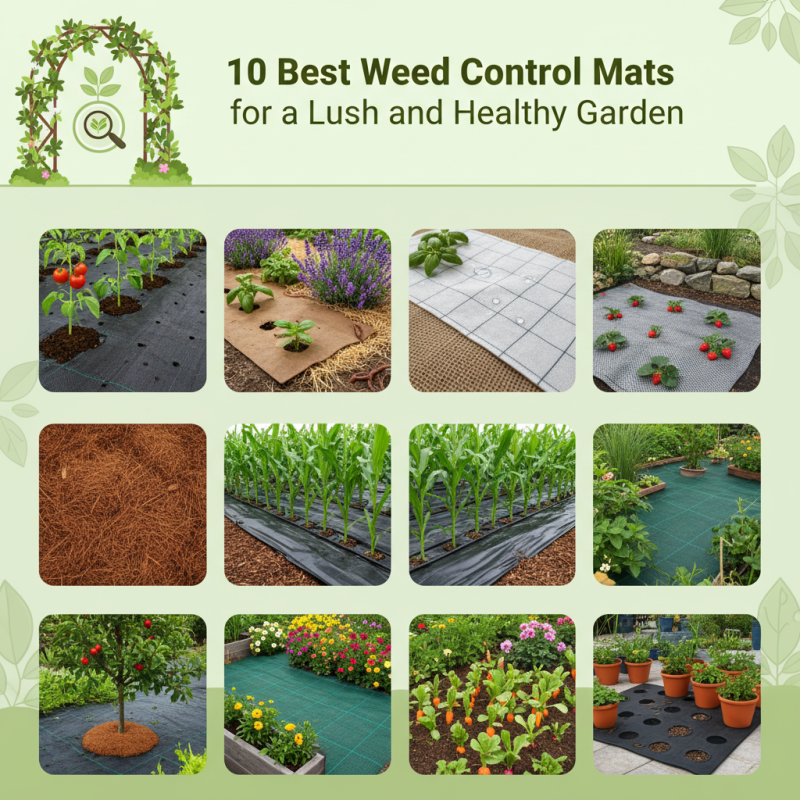
Understanding Weed Control Mats: Purpose and Benefits
Weed control mats have emerged as an essential tool for maintaining a lush and healthy garden. These mats, typically made from durable fabric or biodegradable materials, serve a vital purpose by suppressing weed growth while allowing essential nutrients and moisture to reach the soil. According to a report from the American Society of Agronomy, gardens that utilized weed control mats experienced a significant reduction in weed populations, with some studies indicating up to a 95% decrease in annual weed emergence compared to untreated areas. This reduction not only conserves resources like water and fertilizer but also promotes healthier plant growth by minimizing competition for nutrients.
The benefits of using weed control mats extend beyond mere weed suppression. They contribute to soil health by maintaining moisture and reducing erosion, which is particularly beneficial in gardens prone to heavy rainfall or dry spells. A research study published in the Journal of Environmental Horticulture highlights that gardens employing these mats can retain soil moisture 20-30% more effectively than those without, thereby requiring less frequent irrigation. Furthermore, by preventing weed establishment, these mats can lead to decreased pesticide and herbicide usage, aligning with sustainable gardening practices and fostering an environmentally friendly gardening ecosystem. By incorporating weed control mats, gardeners not only enhance the aesthetic appeal of their landscapes but also promote a more resilient garden environment.
Types of Weed Control Mats: Materials and Designs Explained
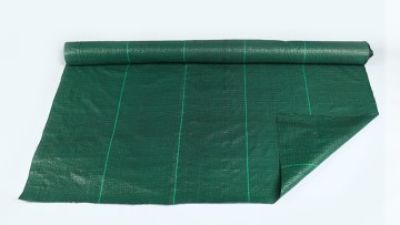
Weed control mats are essential tools to create a thriving garden while minimizing unwanted plant growth. When choosing the right mat, understanding the different materials and designs is crucial. The most common materials include landscape fabric, biodegradable options, and plastic mats. Landscape fabric is favored for its durability and permeability, allowing water and nutrients to reach the soil while blocking sunlight that weeds need to grow.
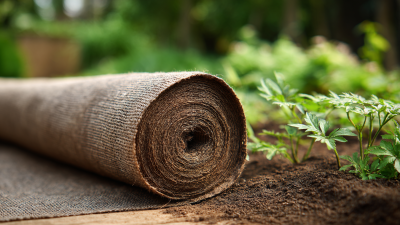
Biodegradable mats, made from materials like jute or recycled paper, are perfect for those looking for an eco-friendly option as they decompose over time, enriching the soil. Plastic mats, though effective at weed suppression, can lead to moisture retention issues, so proper drainage must be considered.
When selecting a weed control mat, consider your garden's specific needs. For instance, a report from the American Society of Horticultural Science notes that effective weed suppression can reduce labor costs by up to 30%, leading to more efficient gardening practices. Additionally, some designs come with integrated mulching features, providing extra layers of protection against weed growth while simultaneously improving moisture retention.
Tips: Always ensure proper installation to maximize the benefits of your weed control mat. Overlapping seams and anchoring the edges will help prevent soil erosion and mat displacement. Secondly, regularly check the health of your garden's soil; healthy soil will lead to more robust plants, minimizing the room for weeds to thrive. Finally, monitor the condition of your mat and replace it as necessary to maintain effective weed control throughout the growing season.
Key Features to Look for in Effective Weed Control Mats
When selecting an effective weed control mat for your garden, there are several key features to consider. Firstly, the material of the mat is crucial. Opt for durable materials that can withstand environmental elements while effectively suppressing weed growth. Fabrics that are permeable to air and water will allow moisture to reach the soil, promoting a healthy environment for your plants without contributing to weed proliferation. Additionally, thickness plays a significant role; a thicker mat can offer better weed resistance while also ensuring durability over time.
Another important feature is the mat's design for ease of installation and maintenance. Look for mats that can be easily cut to fit around existing plants or garden features without compromising their functionality. Some mats come with pre-cut holes or grids, facilitating quick setup. Furthermore, the ability to retain soil warmth and moisture is beneficial, as this fosters healthy plant growth while simultaneously blocking sunlight from reaching weed seeds. In summary, an effective weed control mat should combine durability, permeability, and user-friendly design to ensure a lush and thriving garden.
Weed Control Mats Effectiveness Comparison
This chart compares the effectiveness of various weed control mats based on key features like durability, thickness, permeability, and UV resistance.
How to Properly Install Weed Control Mats in Your Garden
Installing weed control mats in your garden is a highly effective method to promote a lush and healthy landscape while simultaneously reducing labor-intensive weed management. To achieve optimal results, it's essential to follow a few key steps during installation. First, prepare your garden bed by removing all existing vegetation and debris to ensure the mat adheres correctly to the soil. According to industry reports, proper groundwork can prevent up to 95% of weed growth, significantly improving the health of your desired plants.
Once the area is prepared, lay the weed control mat evenly over the soil, ensuring it extends beyond the bed's edges for maximum coverage. This strategic placement minimizes weed encroachment from adjacent areas. For best results, the mats should be anchored down with landscape staples or heavy stones to prevent wind from displacing them. Moreover, studies indicate that using organic mulch on top of the mats can enhance moisture retention and soil health, providing the perfect environment for your garden plants to flourish. Following these steps can lead to a more manageable, aesthetically pleasing garden without the struggle of constant weeding.
10 Best Weed Control Mats for a Lush and Healthy Garden
| Mat Type |
Material |
Size (sq ft) |
Thickness (mm) |
Weed Blockage (%) |
UV Resistance (years) |
Water Permeability |
| Geotextile Mat |
Polypropylene |
100 |
5 |
95 |
3 |
High |
| Landscape Fabric |
Woven Polyethylene |
150 |
4 |
90 |
5 |
Moderate |
| Cardboard Mat |
Cardboard |
80 |
7 |
85 |
1 |
High |
| Rubber Mat |
Recycled Rubber |
120 |
8 |
100 |
10 |
Low |
| Bamboo Mat |
Natural Bamboo |
60 |
6 |
80 |
2 |
High |
| Non-Woven Mat |
PP Non-Woven |
110 |
3 |
92 |
6 |
Moderate |
| Plastic Mat |
HDPE |
140 |
4 |
88 |
7 |
High |
| Jute Mat |
Jute Fibers |
90 |
5 |
78 |
1 |
Moderate |
| Coconut Mat |
Coconut Fiber |
70 |
6 |
85 |
2 |
High |
| Synthetic Mat |
PVC |
130 |
9 |
95 |
8 |
Low |
Maintenance Tips for Prolonging the Life of Your Weed Control Mats
To ensure the longevity of your weed control mats, regular maintenance is essential. First, keep the surface of the mats clean and free of debris such as leaves, soil, and organic matter. Accumulated debris can create a habitat for weeds, undermining the mats' effectiveness. Simply brushing away dirt and vegetation will help maintain optimal performance. Additionally, during rainy seasons, check for any pooling water on top of the mats, as this can promote mold growth. If you notice excessive moisture, consider adjusting the layout or improving drainage in your garden beds.
Another important aspect of maintenance is monitoring the condition of the mats regularly. Inspect for any tears or damage, which can allow weeds to break through. If you identify any issues, promptly repair them with appropriate materials or replace sections of the mat to prevent further weed invasion. Lastly, while weed control mats are designed to inhibit weed growth, pairing them with landscape fabric or mulch can enhance their effectiveness. This combination not only provides a visual appeal to your garden but also adds an extra layer of protection against unwanted plant growth.
Top 10 Weed Control Mats: Reviews and Recommendations
When it comes to maintaining a lush and healthy garden, selecting the right weed control mat is essential. These mats serve as a barrier that effectively prevents weeds from germinating while allowing water and nutrients to penetrate the soil. They can be made from various materials, including natural fibers, synthetic fabrics, and biodegradable options, providing flexibility to meet the specific needs of your garden environment.
A durable mat can significantly reduce the time and effort spent on weeding, thereby giving you more time to enjoy your garden.
In evaluating the top weed control mats, consider features such as thickness, permeability, and ease of installation. A thicker mat not only provides better weed suppression but also enhances longevity, making it a worthwhile investment for long-term gardening projects. Additionally, mats with good permeability ensure that moisture and nutrients reach the soil, promoting healthy plant growth.
Some mats even come with added features, such as UV resistance, ensuring they withstand the elements while maintaining their effectiveness. Ultimately, choosing the right weed control mat will contribute to the overall health and vitality of your garden, creating a thriving outdoor space.
Environmental Impact of Using Weed Control Mats in Gardening
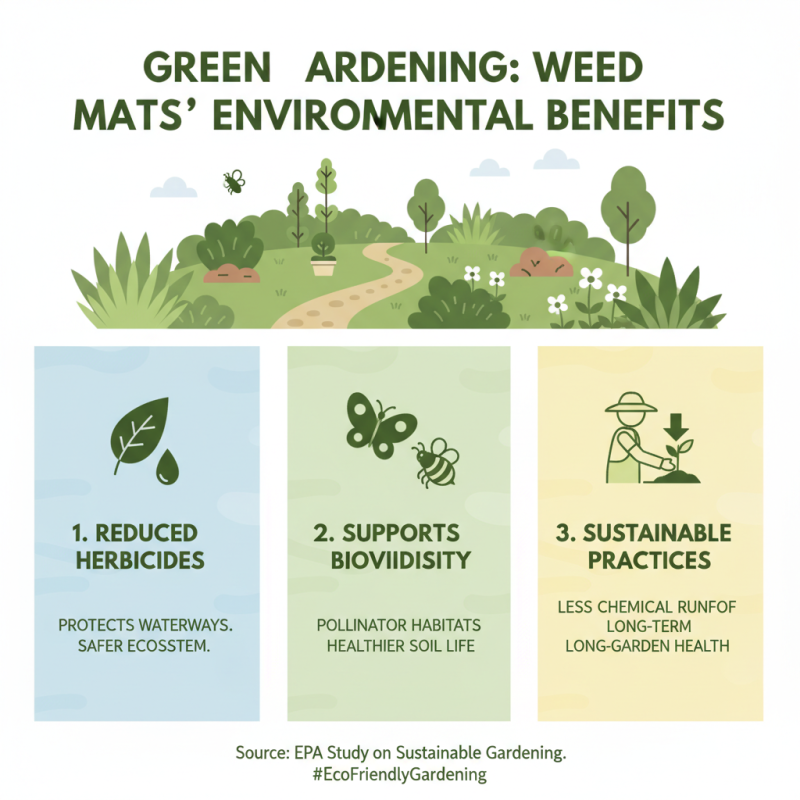
The environmental impact of using weed control mats in gardening is a significant consideration for gardeners aiming to maintain a lush and healthy garden while being environmentally conscious. Research indicates that the use of weed control mats can lead to a reduction in herbicide use, which has both ecological and health benefits. A study by the Environmental Protection Agency (EPA) suggests that by minimizing chemical weed control methods, these mats can help preserve local biodiversity, protect pollinator habitats, and reduce runoff into local waterways. This shift not only supports a healthier ecosystem but also promotes sustainable gardening practices.
Moreover, the materials used in a variety of weed control mats can vary widely, influencing their environmental footprint. Biodegradable options, for instance, are increasingly popular due to their ability to decompose over time, returning nutrients to the soil and reducing landfill waste. According to a report by the Green Building Council, biodegradable mats are gaining traction, with usage increasing by 15% year-over-year among eco-conscious gardeners. Regardless of the material, it is vital for gardeners to be informed about the production processes and life cycles of these products, ensuring that their choices align with broader environmental goals. Ultimately, understanding the implications of weed control mats can empower gardeners to foster a flourishing garden that respects ecological balance.
Ultimate Guide to Choosing and Using Landscape Fabric for Effective Weed Control in Your Garden
When selecting landscape fabric for effective weed control in your garden, it’s crucial to understand its composition and application. Landscape fabric, often termed as weed barrier, is constructed from woven fibers designed to block weeds while allowing water and nutrients to permeate through. Research indicates that this type of fabric can significantly reduce weed growth by up to 90%, making it an invaluable tool for gardeners seeking to maintain a healthy landscape without the use of harmful chemicals.
One of the most effective uses of landscape fabric is around established shrubs and trees. The durability of high-quality fabric ensures that it can withstand environmental elements while providing long-lasting weed prevention. Additionally, its perforated design allows for proper drainage, which is essential for soil health. However, it's essential to note that landscape fabric is not recommended for use in vegetable gardens or annual flower beds as it is intended to remain fixed in place and can hinder the growth of plants that require soil disturbance.
For optimal results, choose a heavy-duty landscape fabric, ideally around 3.2 ounces per square yard, as it offers higher UV resistance, ensuring the fabric won't degrade quickly under sunlight. This balance of durability and permeability is critical for gardens focusing on aesthetics and ecological health.
FAQS
: Opt for durable materials that can withstand environmental elements while suppressing weed growth. Fabrics that allow air and water permeability are ideal, as they enable moisture to reach the soil, promoting healthy plant growth.
A thicker mat provides better weed resistance and ensures durability over time, making it more effective in controlling weed growth.
Look for mats that are easily cut to fit around existing plants and garden features, preferably with pre-cut holes or grids for quick setup.
Regularly clean the surface of the mats to remove debris, check for pooling water during rainy seasons, and monitor for any tears or damage that need repair or replacement.
Yes, using weed control mats can reduce the need for herbicides, preserving local biodiversity and protecting pollinator habitats, thus promoting sustainable gardening practices.
Yes, biodegradable weed control mats decompose over time, returning nutrients to the soil and reducing landfill waste, making them a popular choice among eco-conscious gardeners.
Regularly inspect your mats for any signs of tears or damage, and promptly repair or replace sections to prevent weed invasion.
Pairing weed control mats with landscape fabric or mulch can provide additional protection against unwanted plant growth and improve the visual appeal of your garden.
The materials and production processes of weed control mats significantly influence their environmental impact, so it's essential to choose products that align with ecological goals.
By blocking sunlight from reaching weed seeds while retaining soil warmth and moisture, weed control mats create a suitable environment for healthy plant growth.
Conclusion
Weed Control Mats are essential tools for maintaining a lush and healthy garden by effectively suppressing unwanted weed growth. These mats offer a range of benefits including improved moisture retention, soil temperature regulation, and enhanced aesthetic appeal. Understanding the different types of materials and designs available, as well as key features such as permeability, durability, and ease of installation, can help gardeners make informed choices.
Proper installation and ongoing maintenance are crucial for prolonging the lifespan of Weed Control Mats. By following simple guidelines, gardeners can ensure their effectiveness and contribute positively to environmental health. A thorough review of various Weed Control Mats can provide insights into the best options available, aiding in the selection process for achieving a weed-free and flourishing garden.


 Wanggou Industrial Park,Lanshan District, Linyi City, Shandong Province, China