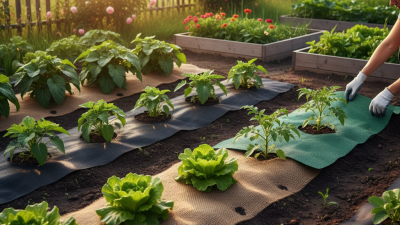
Keeping up with a garden can be pretty challenging, right? One of the biggest headaches for us gardeners is dealing with weeds. According to a report from the National Gardening Association, about 53% of folks say weeds are their top concern. It really makes sense—I mean, if you want your garden to thrive, you’ve gotta find some good ways to keep those pesky plants in check.
Lately, Weed Control Mats have become a pretty popular solution for stopping weeds in their tracks. They act like a physical barrier, which means less reliance on chemicals like herbicides—something many of us prefer anyway. Studies have shown that using these mats can cut weed growth by up to 90%. That’s pretty impressive, and it makes them a solid option whether you’re working on a small backyard or managing a larger commercial space.
When you’re picking out a Weed Control Mat, it’s a good idea to look at things like the material, how thick it is, and how durable it seems. Not all mats are created equal—some might seem great at first but not hold up over time. So, taking a moment to think about these details really pays off. The goal is to find a solution that balances innovation with proven results. Trust me, not every option will work perfectly for your garden, so choose wisely to get the best results.
Understanding Weed Control Mats: Definition and Purpose
Weed control mats are essential tools in garden management. They are specifically designed to prevent weed growth while allowing water and nutrients to reach the soil. These mats are usually made from permeable materials, which offer a balance between blocking unwanted plants and supporting garden health.
Using a weed control mat can simplify your gardening efforts. However, they are not a perfect solution. In some cases, weeds can still grow around the edges or through tiny gaps. Regular monitoring is necessary to maintain their effectiveness. Additionally, choosing the right type of mat for your specific garden needs can be challenging. A mat suitable for one type of soil might not work well in another.
Overall, weed control mats provide a layer of protection against invasive plants. They help gardens look tidy and can save time on maintenance. Yet, gardeners should consider potential downsides, such as the initial cost and the need for replacement over time. This reflective approach ensures your garden thrives while balancing the ongoing battle with weeds.
Types of Weed Control Mats: Materials and Their Benefits
Weed control mats are essential tools for effective garden management. Various materials offer distinct benefits. Fabric mats made from polypropylene provide excellent airflow and drainage. They suppress weed growth while allowing essential nutrients to reach the soil. Gardeners often appreciate their durability and cost-effectiveness. However, some users find that they wear out quicker under harsh sun exposure.
Another popular option includes biodegradable mats. These are typically made from natural fibers like jute or coir. They break down over time, enriching the soil. Gardeners favor these for their eco-friendliness. Yet, it's crucial to apply them correctly. Improper installation may lead to ineffective weed suppression. Regular monitoring is also needed to ensure they are doing their job effectively.
Plastic mats provide a different approach. They create a solid barrier that prevents light penetration. While effective, they can lead to moisture retention issues. Gardeners should be aware of this potential drawback. Each option has its pros and cons. Careful consideration of the garden's unique environment will guide the best choice.
Best Weed Control Mat Solutions for Effective Garden Management
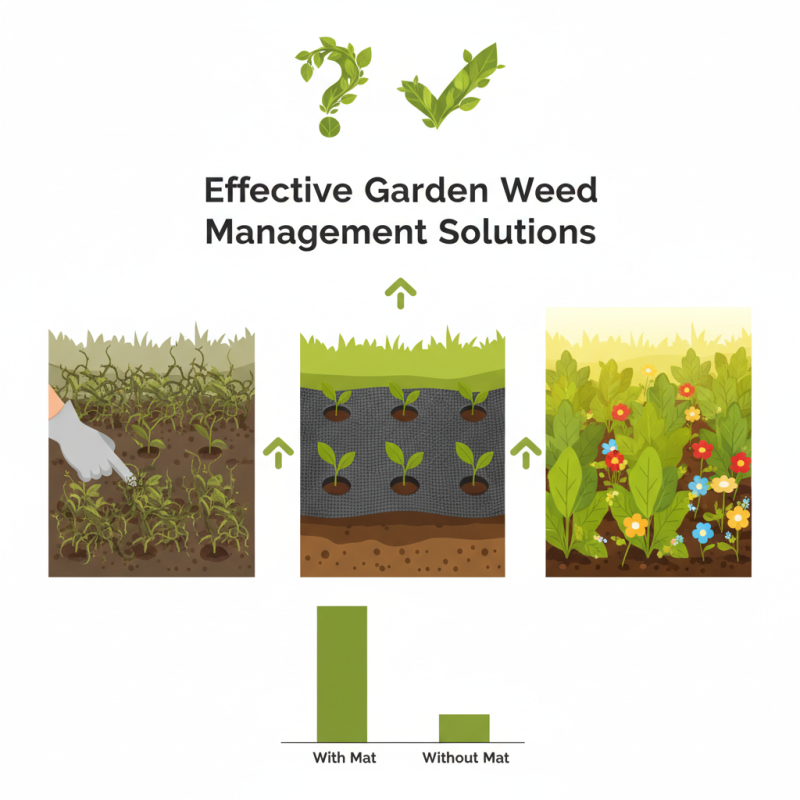
This chart illustrates the effectiveness of various types of weed control mats in suppressing weed growth. The data shows the percentage effectiveness of each material based on industry research and testing.
Key Features to Look for in Effective Weed Control Mats
When managing a garden, effective weed control is crucial. Choosing the right weed control mats can make all the difference. Start with mats made from durable materials. They should withstand various weather conditions without breaking down. Look for mats that allow water and nutrients to penetrate while blocking sunlight. This balance helps maintain healthy soil.
In addition to material, consider the thickness of the mat. Thicker mats tend to provide better protection against weeds. However, very thick mats can be challenging to install. Many gardeners overlook this factor and find installation difficult later. Also, check for UV resistance. Mats exposed to sunlight need this feature to prevent degrading over time.
Lastly, size is an essential feature. Evaluate your garden's layout before purchasing. Mats too small will leave gaps for weeds. On the other hand, oversized mats can be wasteful. Some users find it frustrating to find the perfect size. Careful planning is key here. These aspects contribute to an effective strategy for managing weeds in your garden effectively. Balancing these features can help you achieve a lush, vibrant outdoor space.
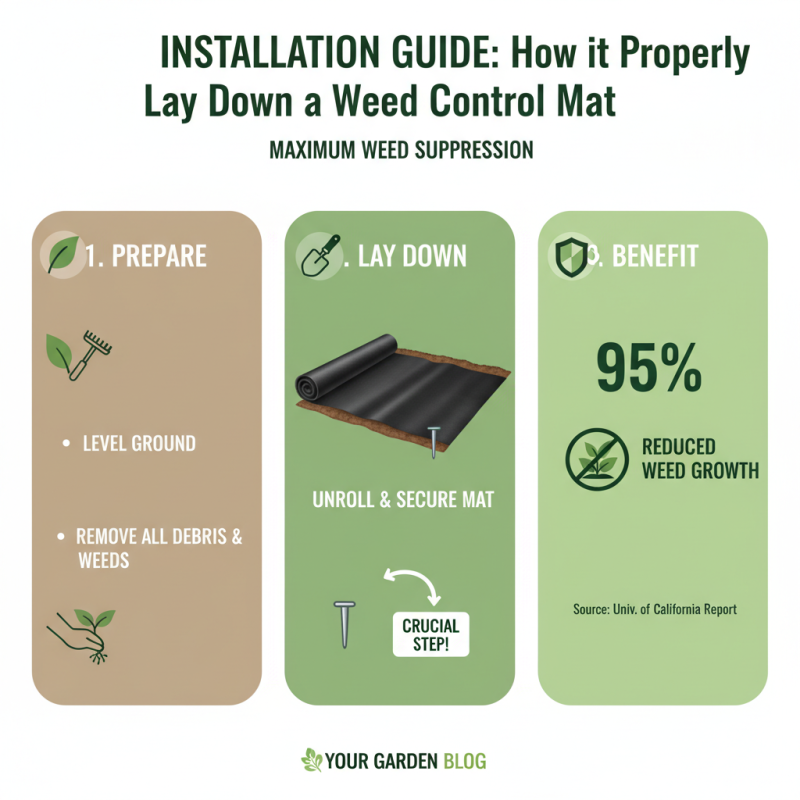
Installation Guide: How to Properly Lay Down a Weed Control Mat
Installing a weed control mat is essential for effective garden management. The correct placement ensures maximum weed suppression. According to a report by the University of California, effective use of weed mats can reduce weed growth by up to 95%. When laying down a mat, ensure the ground is level. Remove all debris and existing weeds before installation. This step is crucial and often overlooked.
After preparing the ground, roll out the mat. Overlap edges by at least 6 inches to prevent any weeds from sneaking through. It’s surprising how many gardeners skip this. Securing the mat with landscape staples at regular intervals enhances stability. This prevents wind from lifting the edges. A study by the National Gardening Association emphasizes that proper installation can extend the lifespan of weed mats, reducing maintenance efforts.
Regularly check the mat for any signs of wear. A torn mat allows weeds to invade, negating its benefits. While many assume a mat is a one-time solution, it requires periodic inspection and adjustment for optimal results. Many gardeners may not realize the importance of this upkeep, leading to unexpected weed problems later on.
Maintenance Tips for Prolonging the Life of Weed Control Mats
Weed control mats are essential for effective garden management. They help suppress weed growth while allowing air and water to penetrate the soil. However, their lifespan can vary significantly based on several maintenance practices. Reports indicate that properly maintained mats can last two to five years, ultimately benefiting the garden.
Regular cleaning is crucial. Remove debris and soil buildup to prevent mold and mildew. This can increase air circulation. If you notice the edges lifting, weigh them down with stones or mulch. According to studies, securing corners effectively can reduce mat wear and enhance their longevity.
Monitor for signs of wear regularly. Small tears can quickly become larger problems. Repair these early, using fabric patches or appropriate adhesives. Prioritize watering through the mat to ensure plants receive moisture. Avoid overwatering, as this can lead to mat deterioration. Regular checks can save you costs and effort in the long run.
Taking these steps helps maximize your investment in weed control mats. It not only prolongs their life but also enhances the overall health and aesthetics of your garden.
Comparative Analysis: Weed Control Mats vs. Traditional Mulching Methods
Weed control mats offer a modern solution for garden maintenance. They effectively suppress weed growth by blocking light. This is achieved through durable materials, typically non-biodegradable, designed to create a barrier. They require less frequent replacement compared to traditional mulching. However, some gardener experiences indicate that mats can retain moisture too well, leading to plant root issues if not monitored.
In contrast, traditional mulching methods employ organic materials like straw or wood chips. This approach provides nutrients as the mulch decomposes, promoting soil health. It encourages beneficial microorganisms and adds warmth to the soil. However, mulching can be labor-intensive and requires regular replenishment. Many gardeners find it challenging to achieve consistent coverage, making weed control an ongoing struggle.
Ultimately, both methods have their pros and cons. The choice depends on specific garden conditions and personal preferences. A detailed analysis of each option is crucial. Consider the plant types, local climate, and resource availability when making a decision. Reflecting on past gardening experiences can help in choosing the right approach for effective management.
Evaluating the Environmental Impact of Weed Control Mats in Gardening
Weed control mats have become increasingly popular among gardeners and landscapers. They provide a barrier that inhibits weed growth while allowing air and moisture to penetrate. However, it's essential to consider their environmental impact. According to a report by the U.S. Environmental Protection Agency (EPA), synthetic landscape fabrics may contribute to microplastic pollution. These materials can break down over time, releasing tiny plastic particles into the soil.
While some gardening experts praise the effectiveness of these mats, they also point to potential drawbacks. A study published in the Journal of Environmental Management found that organic alternatives, such as biodegradable mats, offer less environmental risk. These mats can break down naturally, enriching the soil. However, their effectiveness varies based on specific conditions and may require additional maintenance.
Even with their efficiencies, gardeners must weigh the long-term effects of their choices. Soil health is crucial for sustainable gardening. Some weed control mats can impact soil biology negatively. Over-reliance on these products might hinder natural processes and reduce biodiversity. Gardeners should consider these factors when selecting a weed control solution.
Best Weed Control Mat Solutions for Effective Garden Management
| Material |
Thickness (mm) |
Biodegradable |
UV Resistance |
Price per Square Meter |
Environmental Impact |
| Jute |
3 |
Yes |
Moderate |
$3.50 |
Low |
| Polypropylene |
5 |
No |
High |
$2.00 |
Medium |
| Cotton |
4 |
Yes |
Low |
$4.00 |
Low |
| Bamboo |
2 |
Yes |
Moderate |
$3.00 |
Very Low |
| Geotextile |
3 |
No |
High |
$2.50 |
Medium |
FAQS
: They are tools designed to prevent weed growth while allowing water and nutrients to reach the soil.
They suppress weed growth, simplify maintenance, and keep gardens looking tidy.
Yes, weeds may grow around edges or through gaps. Regular monitoring is needed.
With proper maintenance, they can last from two to five years.
Regular cleaning, monitoring for wear, and securing edges are important for longevity.
Initial costs, potential moisture retention issues, and the need for eventual replacement should be considered.
Mats require less replacement and block light, while mulching adds nutrients but is labor-intensive.
Overwatering should be avoided, as it can lead to mat deterioration and root issues.
Regular checks and timely repairs can significantly enhance their lifespan and garden health.
Consider plant types, local climate, and past gardening experiences to make the best choice.
Conclusion
Weed control mats are essential tools for effective garden management, serving the primary purpose of suppressing unwanted plant growth while allowing desired plants to thrive. These mats come in various materials, each offering unique benefits such as durability, permeability, and environmental friendliness. Key features to consider when selecting a weed control mat include thickness, UV resistance, and ease of installation.
Proper installation is crucial for maximizing their effectiveness, and routine maintenance can significantly extend the lifespan of these mats. Furthermore, a comparative analysis highlights that weed control mats can often be more efficient than traditional mulching methods. An evaluation of their environmental impact reveals that these mats can contribute positively to gardening practices by reducing the need for herbicides and minimizing soil erosion. Overall, implementing a weed control mat can lead to healthier plants and more manageable gardens.


 Wanggou Industrial Park,Lanshan District, Linyi City, Shandong Province, China