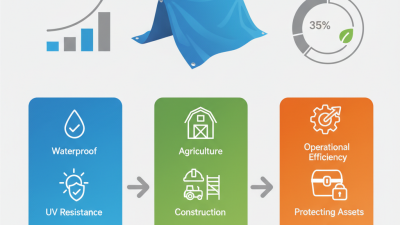
Lately, there's been a pretty noticeable jump in demand for PE Tarpaulin Rolls across all kinds of industries. If you follow market trends, you might’ve seen that, according to Grand View Research, the global tarpaulin market is expected to hit around $5.5 billion by 2025 — mainly thanks to the booming construction and farming sectors. People love PE tarps because they’re lightweight, waterproof, and tough as nails, making them super handy for all sorts of jobs.
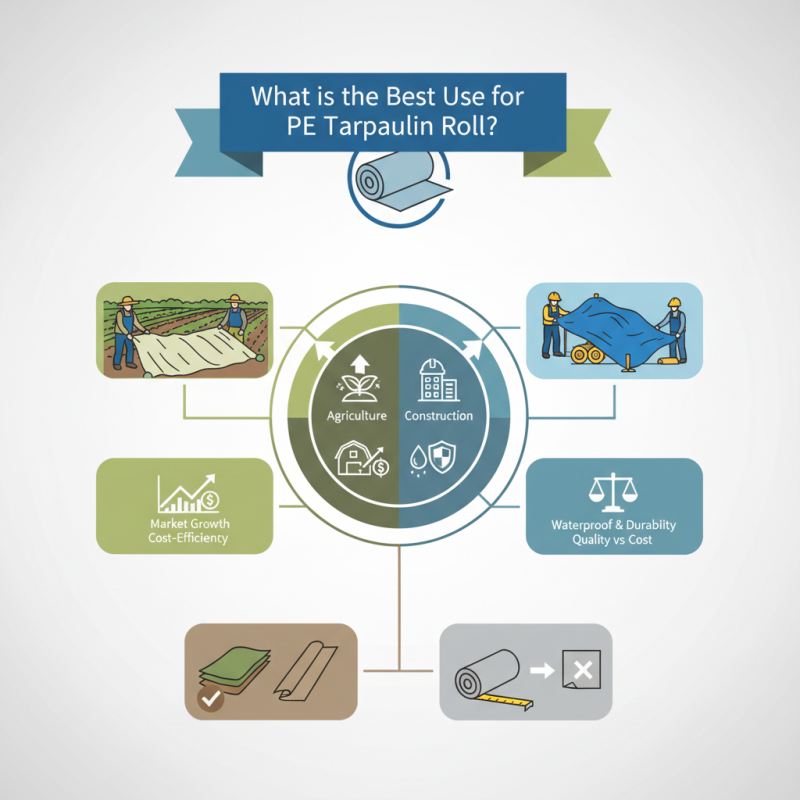
When you start thinking about what you can actually do with a PE Tarpaulin Roll, the options are pretty endless. It’s great for protecting crops in agriculture or throwing up a quick shelter on a construction site—really, its versatility is pretty impressive. But, if you don’t use it right, you might end up wasting money or causing some headaches. For instance, grabbing a roll that’s too small just isn’t gonna cut it — it leaves gaps, which can slow things down and cost more in the long run.
Oh, and don’t forget about the thickness! Some companies tend to overlook how important that is. Going for a thinner, cheaper tarp might save you a few bucks upfront, but it won’t last as long and could end up costing you more over time. Basically, striking a good balance between quality and cost is key. All in all, if you know how to use PE Tarpaulin Rolls right, you’ll find it makes your work easier and can actually save you some cash down the road.
What is Pe Tarpaulin Roll: An Overview of Its Composition and Properties
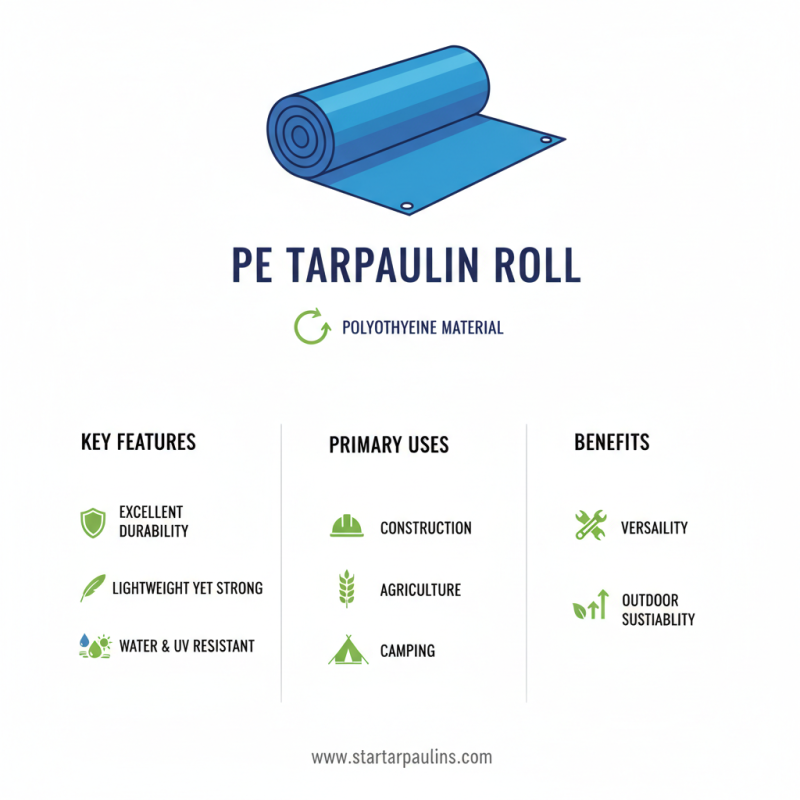
PE Tarpaulin Roll is made from polyethylene materials, which provide excellent durability. This tarpaulin is lightweight yet strong. Its resistance to water and UV rays makes it suitable for outdoor use. It’s often used in construction, agriculture, and camping. The versatility of PE tarpaulin roll is impressive.
While this material stands out for its practical uses, it has some downsides. For instance, prolonged exposure to sunlight can cause it to degrade. Furthermore, it might not be the best choice for heavy-duty applications. Its thickness can vary, affecting its overall strength. Users should consider these factors before making a purchase.
Many people appreciate the affordability of PE tarpaulin roll. Yet, some might overlook the importance of proper maintenance. Regular cleaning can prolong its life. Ignoring this might lead to quicker wear and tear. People should find a balance between cost and quality. This can lead to better long-term usage.
Common Applications of PE Tarpaulin Rolls in Various Industries
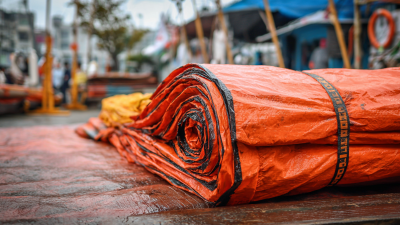
Pe Tarpaulin Rolls have found versatile applications across various industries. Construction sites frequently utilize these durable tarps for covering materials. They protect aggregates and equipment from weather damage. In fact, a report from the Construction Industry Institute highlights that using protection like PE tarpaulin can reduce material loss by up to 30%. This statistic underscores the importance of employing reliable solutions.
In agriculture, PE tarpaulin rolls serve multiple purposes. Farmers use them to cover crops during bad weather. This helps prevent crop loss and maintains quality. Studies show that tarps can boost yield by up to 15% when used effectively. Additionally, these rolls are often used for creating temporary shelters on farms. They are lightweight yet strong, making them ideal for rapid deployment.
The transport and logistics sectors also benefit from PE tarpaulin rolls. These tarps are used to secure loads and protect them during transit. A survey from the International Freight Association indicates that 20% of cargo damage occurs due to inadequate covering. This raises concerns about the choice of materials used. It’s crucial to assess whether forking out on quality PE tarpaulin rolls could mitigate this risk effectively.
Common Applications of PE Tarpaulin Rolls in Various Industries
Evaluating Environmental Impact: PE Tarpaulin Roll Recycling and Disposal
PE tarpaulin rolls are widely used due to their durability and weather resistance. However, their environmental impact should not be overlooked. Approximately 30% of plastic products end up in landfills, contributing to pollution. PE tarpaulin rolls, like many plastics, can take hundreds of years to decompose. Many users may not consider recycling options when their tarp has reached the end of its life cycle.
Fortunately, recycling PE tarpaulin rolls is possible. The process can yield recycled material for various applications, reducing the demand for virgin plastics. According to industry reports, recycling can cut greenhouse gas emissions by 50% compared to using new materials. However, the recycling rate for tarpaulins remains low, highlighting a need for better consumer education and recycling infrastructure.
Disposal of PE tarpaulin rolls poses additional concerns. Improper disposal methods lead to significant environmental degradation. Landfills are overwhelmed, affecting soil and water quality. Awareness of proper disposal channels is crucial. Resting idle in landfills is not a sustainable option. As consumers, we must reflect on our choices to reduce plastic waste.
Comparative Analysis: PE Tarpaulin vs. Other Tarpaulin Materials
PE tarpaulin is a popular choice for various applications, and comparing it to other tarpaulin materials can reveal its strengths and weaknesses. PE tarpaulin is lightweight yet durable. It provides excellent waterproofing compared to canvas materials. Unlike canvas, it dries faster and is less prone to mold. This makes it ideal for outdoor use, particularly in unpredictable weather conditions.
However, PE tarpaulin does have its downsides. It can deteriorate under prolonged UV exposure, leading to a shorter lifespan. This contrasts with PVC tarpaulin, which offers superior UV resistance. The trade-off is that PVC tarpaulin is heavier and less flexible, making it harder to roll up and store. In situations where portability is key, the lightweight nature of PE tarpaulin shines.
Choosing the right material often requires a reflective approach. Think about your usage, storage, and environmental factors. Maybe you need a Roll Up Tarpaulin that prioritizes ease of use over longevity. Assessing these details is essential for making an informed decision. Be mindful that every choice has potential drawbacks.
Durability and Lifespan: Understanding the Performance of PE Tarpaulin Rolls
PE tarpaulin rolls are widely recognized for their durability. These products can withstand harsh outdoor conditions. According to industry reports, high-quality PE tarps can last for several years. They resist water, UV rays, and tearing, making them versatile for various applications.
One study indicates that a well-maintained PE tarpaulin can last up to five years without significant degradation. Factors such as exposure to sunlight and physical stress affect lifespan. Regular inspections and proper storage can extend their usability. Even so, neglect can lead to premature wear. Users should always be prepared for possible damage.
In practical use, PE tarpaulins serve in agriculture, construction, and transportation. Their ability to provide reliable shelter for goods is crucial. However, not every tarp performs the same way. Users often overlook material quality. This can lead to disappointment when the tarp fails. Selecting the right product requires careful consideration of specific needs and conditions.
Cost-Effectiveness: Budgeting for PE Tarpaulin Roll Usage in Projects
When considering the use of PE tarpaulin rolls, budgeting is crucial. These versatile materials are commonly used in construction, agriculture, and outdoor events. Their durability and water resistance make them popular choices. However, the costs can vary significantly depending on the type and size. Planning ahead allows for smarter purchasing decisions.
It’s important to think about the project’s needs. A larger roll may seem cost-effective, but if it leads to waste, the initial savings disappear. Miscalculations in size or quantities can lead to unexpected expenses. For small projects, smaller rolls may actually be a better choice, even if they seem pricier upfront.
Factor in potential damage as well. While PE tarpaulin is tough, it can tear or suffer wear, impacting longevity. This could require replacements sooner than expected. Balancing cost with quality is essential. Not all cheaper options are the best in the long run. Assess your project needs thoroughly before making decisions. Consider both immediate costs and long-term value.
Best Practices for Storage and Maintenance of PE Tarpaulin Rolls
Proper storage and maintenance of PE tarpaulin rolls are vital for extending their lifespan. Begin by storing them in a dry, cool place to prevent mold growth. Avoid exposing the tarpaulin to direct sunlight for prolonged periods. UV rays can degrade the material, causing it to become brittle over time. Use a clean, ventilated area to keep the tarpaulin free from dust and debris.
During maintenance, inspect the tarpaulin for any signs of wear or damage regularly. Small tears can become bigger if not addressed promptly. Clean any dirt with mild soap and water, then dry it thoroughly. Remember, folding the tarpaulin can create creases that might weaken it. Rolling the tarpaulin is often a better option. However, rolling too tightly can also cause stress on the fabric. Finding that balance is essential for preserving its integrity.
Essential Features and Benefits of 100% Waterproof Green Tarpaulin for Industrial Tent Applications
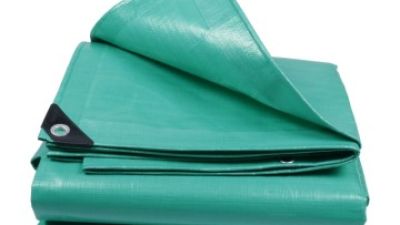
The adoption of 100% waterproof green tarpaulin in industrial tent applications is rapidly gaining traction due to its essential features and benefits. Crafted from high-quality polyethylene granules, this tarpaulin employs double-sided film lamination that provides unmatched rainproof capability, making it an ideal choice for various industrial environments. According to industry reports, waterproof tarpaulins can enhance the longevity of stored materials, as they protect against moisture-related damage, thereby decreasing downtime and maintenance costs associated with weather-related wear and tear.
One notable attribute of this tarpaulin is its remarkable flexibility and elongation properties, which allow it to fold neatly for compact storage. Its lightweight design, coupled with enhanced tear resistance and high tensile strength, means it can be easily transported and deployed without the risk of damage during handling. Furthermore, research shows that tarpaulins operating efficiently in extreme temperature ranges from -70°C to 100°C demonstrate their robust performance even in harsh weather conditions, making them versatile protective solutions for a variety of applications, such as covering cargo trucks, outdoor machinery, and construction materials.
Additionally, the UV-resistant coating on the tarp plays a significant role in prolonging its lifespan by delaying degradation caused by sun exposure. A report from the Global Plastics Alliance highlights that UV stabilization is crucial in retaining the integrity of materials used in outdoor environments, ensuring that these tarpaulins withstand the elements efficiently. Their chemical stability also provides resistance against oxidation, adding to their all-season weather resilience, which is essential for industries that rely on reliable and durable protective coverings year-round.
FAQS
: This product offers convenience and efficiency for daily tasks. Users report saving time and reducing stress.
It uses easy-to-follow steps for optimal performance. You may need to experiment to find the best method for you.
Some users encounter setup difficulties. Others might experience minor malfunctions. It’s important to read the instructions carefully.
It’s made from durable, quality materials. However, wear and tear can happen over time. Regular maintenance can extend the lifespan.
Yes, there is customer support. Response times may vary. Some have reported delays, so patience is necessary.
Returns can be initiated through the website. Make sure to follow all guidelines to avoid complications.
Conclusion
Pe Tarpaulin Roll is a versatile and durable material widely used across various industries due to its unique composition and properties. This article provides an overview of PE tarpaulin, highlighting its applications in sectors such as agriculture, construction, and transportation. It also evaluates the environmental impact of PE tarpaulin rolls, discussing recycling options and proper disposal methods. Comparative analysis with other tarpaulin materials showcases its advantages in terms of durability and lifespan, making it a cost-effective choice for projects.
Furthermore, the article emphasizes the importance of best practices for storage and maintenance to ensure the longevity of PE tarpaulin rolls. Budget considerations are also addressed, guiding users on how to effectively allocate resources for their PE tarpaulin needs. Overall, PE tarpaulin rolls emerge as an essential resource for ensuring reliable protection and coverage in diverse applications.


 Wanggou Industrial Park,Lanshan District, Linyi City, Shandong Province, China