When you're trying to pick out the best tarpaulin cover, it really helps to understand what you actually need first. Like what industry pro Mark Thompson often says, ‘Choosing the right tarpaulin can totally make or break how well your stuff is protected.’ With so many options out there—from HDPE tarps to UV-protected ones—it can get pretty overwhelming, since each kind has its own purpose.
A lot of folks tend to overlook just how important a good outdoor truck cover can be. honestly, a solid cover can really save your vehicle from nasty weather and keep it in good shape. If you go for a high-quality rot-proof tarpaulin, that can be a total game changer, especially if you’re looking for something durable that lasts. But yeah, with so many choices, figuring out which one is best for you can feel pretty overwhelming.
Not every tarp is going to tick all your boxes, so it’s super important to figure out what features matter most to you. Think about water resistance, UV protection, how tough the material is—stuff like that. Also, consider how you'll actually be using the tarp. This little bit of reflection can really help narrow down your options and make sure you end up with something you’re happy with. And at the end of the day, investing in a good cover now can save you a lot of trouble and money down the road.
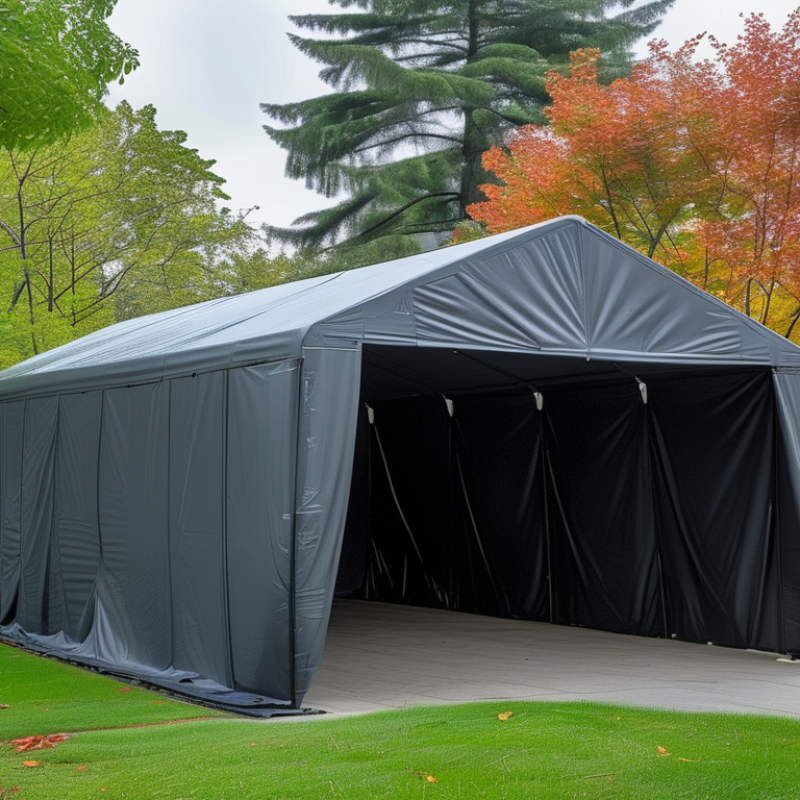
Types of Tarpaulin Covers and Their Uses
When selecting tarpaulin covers, understanding the types available is crucial. There are various types, each suited for different needs. Waterproof tarps are ideal for protecting equipment and goods from rain. These are commonly used in construction sites, outdoor storage, and camping. The fabric is durable and offers reliable insulation.
Another popular option is UV-resistant tarps. These are designed to withstand sun exposure. They are perfect for covering vehicles, boats, and outdoor furniture. This type helps prevent fading and degradation caused by UV rays. Choosing the right cover ensures longevity and protection.
There are also heavy-duty tarps, built for rugged environments. These can endure harsh conditions. They are often used in industrial applications and for transporting goods. While they provide excellent protection, weight and bulk can be a consideration. Lightweight tarps offer portability but may sacrifice some durability. Reflecting on your specific needs helps in selecting the right type for your situation.
Factors to Consider When Choosing a Tarpaulin Cover
Choosing the right tarpaulin cover involves several key factors. One significant aspect is the material.
Heavy Duty PE Tarps are known for their durability and strength. They are resistant to tearing and can withstand harsh weather conditions. These covers are versatile and can be used for camping, construction sites, or as temporary shelters.
Another important consideration is waterproofing. A Green Waterproof Cover is ideal for protecting your belongings from the elements.
These covers prevent water from seeping through, ensuring your items remain dry. Additionally, UV Resistant Tarpaulin helps protect against sun damage.
Prolonged exposure to sunlight can degrade materials, but using a UV resistant tarp extends the life of your protection.
Lastly, evaluate the design features. Reinforced Corner Tarpaulin offers extra strength in high-stress areas. This design is essential for securing your tarp firmly, especially in windy conditions.
However, not all tarps have reinforced corners, which can lead to tears over time. Make sure your choices are based on real needs, rather than assumptions or trends.
Assess your situation honestly for better results.
Durability and Weather Resistance in Tarpaulin Materials
When choosing a tarpaulin cover, durability and weather resistance are key factors. Different materials offer varying levels of protection against the elements. For instance, polyethylene is lightweight and highly resistant to moisture. It can withstand intense rain and snowfall, making it suitable for outdoor use. However, it may not be as ultraviolet (UV) resistant as other options.
In contrast, polyester tarpaulins provide excellent UV resistance but can be heavier and more expensive. They are ideal for long-term outdoor applications, as they resist fading and deterioration from sunlight. Knowing your specific needs helps in choosing the right Cover Tarpaulin.
Consider the purpose of your tarpaulin cover. Are you protecting equipment from rain, or providing a shelter for an outdoor event? Each use case requires different attributes in a tarpaulin. Sometimes, users overlook the importance of quality in favor of price. This choice can lead to dissatisfaction when the material fails during critical times. In the end, a reliable tarpaulin cover should offer both durability and weather resistance.
Comparative Analysis of Tarpaulin Cover Brands
Choosing the right tarpaulin cover can be daunting. With various brands available, understanding the differences is crucial. Each brand offers unique materials and features that cater to specific needs. Some focus on durability while others prioritize ease of use.
Comparative analysis reveals significant insights. Certain options excel in waterproofing, making them ideal for outdoor use. Others are lightweight, which is beneficial for transport and setup. However, not all high-priced options guarantee top quality. Consumers must consider their specific requirements over brand reputation. Additionally, customer reviews can often spotlight real-world performance. Many users report issues with UV resistance over time, a critical factor for outdoor applications.
Exploring user feedback is essential. It highlights practical strengths and weaknesses you might not see on the surface. For instance, some covers might tear easily despite initial promises of durability. Reflecting on these points can lead to a better-informed decision. Evaluating by specific criteria, rather than brand loyalty, often leads to more satisfactory outcomes.
Best Tarpaulin Cover Options for Your Needs
| Cover Type |
Material |
Water Resistance |
UV Protection |
Weight (g/m²) |
Price ($) |
| Heavy Duty Tarpaulin |
Polyethylene |
Excellent |
High |
200 |
50 |
| Canvas Tarpaulin |
Cotton Canvas |
Good |
Medium |
300 |
70 |
| Lightweight Tarpaulin |
Polyethylene |
Moderate |
Low |
120 |
30 |
| PVC Tarpaulin |
PVC |
Excellent |
Very High |
500 |
90 |
| Tarpaulin with Eyelets |
Polyester |
Good |
Medium |
220 |
60 |
Customizing Tarpaulin Covers for Specific Needs
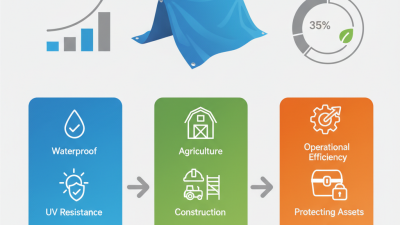
Customizing Tarpaulin Covers for specific needs can significantly enhance their utility. Tarpaulin covers are essential in various industries—from agriculture to construction. According to the American Society for Testing and Materials, custom tarpaulin covers can reduce downtime by 20%. This statistic highlights the importance of selecting the right materials and specifications for your specific applications.
When considering customization, businesses often overlook durability and resistance to environmental factors. A study from Eco-Business revealed that UV-resistant tarpaulin covers last 15% longer than standard options. Custom features like reinforced seams or grommets can improve the reliability of these covers. However, achieving precise needs can come with challenges. It may require multiple iterations to get the perfect fit or material choice.
The complexity of customizations often raises questions about cost versus benefit. While initial investments can be higher, the long-term savings from reduced wear and tear are notable. Organizations must evaluate their usage and environmental conditions carefully. It's essential to balance ideal requirements with practical constraints. In some cases, a quick fix may not meet expectations, making reflection on previous choices crucial for future planning.
Maintenance Tips for Prolonging Tarpaulin Lifespan
To prolong the lifespan of your tarpaulin cover, maintenance is essential. Regular cleaning is key. Dust and dirt can build up, causing wear over time. Use mild soap and water to wash it. Avoid harsh chemicals, as they can degrade the material. Studies indicate that proper cleaning can extend the lifespan by 15-25%.
Storage is equally important. Store your Tarpaulin Car Cover in a cool, dry place when not in use. Avoid crumpling it, as this can lead to creases that weaken the fibers. Research shows that improper storage can shorten a tarpaulin’s life by as much as 30%.
Inspect your cover for damages regularly. Look for tears or signs of fading. Even small damages can worsen if not addressed. When you spot an issue, repair it quickly. Ignoring these small problems often leads to bigger ones down the line. By following these maintenance tips, you can protect your investment and ensure your tarpaulin cover remains effective for a long time.
Best Tarpaulin Cover Options and Maintenance Tips
This chart illustrates the estimated durability in years of various tarpaulin cover options, helping you make informed choices for your needs.
Affordable Alternatives to Traditional Tarpaulin Covers
When looking for affordable alternatives to traditional
tarpaulin covers, several options stand out.
High-density polyethylene (HDPE) tarps offer durability at a lower cost. They are lightweight yet strong, making them suitable for various applications, from covering outdoor machinery to providing shade at picnics. Additionally, these tarps often resist tearing and UV degradation, extending their lifespan under different weather conditions.
Another great option is canvas tarps. While generally heavier, they offer excellent breathability. They can be a bit pricier but are reusable and environmentally friendly.
Over time, investing in sturdy canvas can save money. However, it’s essential to regularly check for wear and tear. Users might overlook small damages that, if left untreated, can lead to more significant issues.
Consider reinforced plastic sheets as a budget-friendly choice. These sheets are incredibly versatile, suitable for gardening, construction, or temporary covering. They may not provide the same longevity as HDPE or canvas options. However, their low cost and varied sizes can be very appealing. Careful handling can maximize their lifespan. Users should weigh the trade-offs between upfront costs and long-term durability.
Versatile Outdoor Solutions: Exploring the Benefits of Thickened Waterproof Tarpaulin for Various Uses
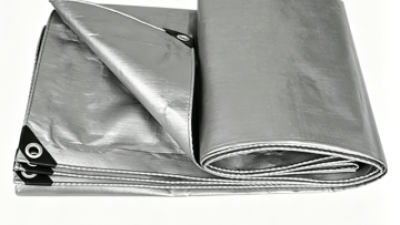
When it comes to outdoor protection, a thickened waterproof tarpaulin serves as an invaluable resource. This heavy-duty solution is particularly effective for truck rainproofing, offering a robust barrier against the elements. Constructed from PE double silver material, this tarpaulin reflects sunlight efficiently while providing complete rain blockage. Such features make it an ideal choice for trucks, ensuring that cargo remains dry and intact, no matter the weather conditions.
Beyond its use in transportation, the versatility of this tarpaulin extends to various outdoor settings. Whether placed in gardens, on construction sites, or for general outdoor storage, its thickened construction guarantees durability and resistance to wear and tear. Gardeners can use it to shield plants from unpredictable weather, while construction workers benefit from its ability to protect materials from rain and sun exposure. The tarpaulin’s lightweight yet resilient design makes it easy to handle, setting it apart as a reliable solution for an array of outdoor needs.
FAQS
: Customizing enhances utility and can reduce downtime by 20%, improving efficiency for specific needs.
It's essential to focus on UV resistance, reinforced seams, and grommets for increased reliability.
Yes, it often requires multiple attempts to find the right fit or material choice.
Initial costs may be higher, but long-term savings from reduced wear and tear can be significant.
High-density polyethylene (HDPE) tarps are lightweight and strong, making them a great choice.
Yes, they are reusable and environmentally friendly, although they might be pricier upfront.
They are budget-friendly but may lack longevity compared to HDPE or canvas options.
Regular checks for wear and tear are vital to prevent small damages from escalating.
It's important to evaluate usage, environmental conditions, and past decisions to inform future choices.
Yes, quick solutions may not meet expectations and could require revisiting choices later.
Conclusion
When selecting a tarpaulin cover, it is essential to understand the different types available and their specific uses. From waterproof options to UV-resistant covers, choosing the right material depends on the intended application and environmental conditions. Key factors such as durability, weather resistance, and maintenance can significantly impact the lifespan of your tarpaulin cover, making it crucial to evaluate these elements carefully.
Additionally, customizing tarpaulin covers for particular needs can enhance their functionality, providing tailored protection for various projects. Regular maintenance practices can help prolong their usability, ensuring that your investment remains effective over time. Lastly, for those on a budget, exploring affordable alternatives can still provide satisfactory protection without compromising quality. By considering these aspects, you can make an informed decision that best suits your requirements for a tarpaulin cover.


 Wanggou Industrial Park,Lanshan District, Linyi City, Shandong Province, China