As the need for tough and versatile materials keeps growing, you'll notice that Rubber Tarpaulin really stands out across a bunch of industries. This durable fabric is pretty impressive because it’s both long-lasting and flexible—making it a go-to choice for all sorts of outdoor and industrial uses. People all over the world are on the lookout for quality options that fit their specific needs.
Looking ahead to 2026, the market will be packed with tons of options for Rubber Tarpaulin. Sure, lots of manufacturers will be touting how great their products are, but not all of them actually deliver that high standard. It can be a bit overwhelming to sift through so many suppliers, each claiming they’re the best. That’s why it’s so important to really evaluate those claims—are they just empty promises?
Knowing what matters in terms of quality and what your specific purpose is makes all the difference. Sometimes, products don’t perform quite as expected—maybe there are flaws in the materials or they don’t meet the specs you need, which could cut down on how long they last. Doing your homework—checking out reputable brands and reading reviews from other buyers—is essential. Only then can you confidently invest in Rubber Tarpaulin solutions that actually match what you’re after and serve your needs well.
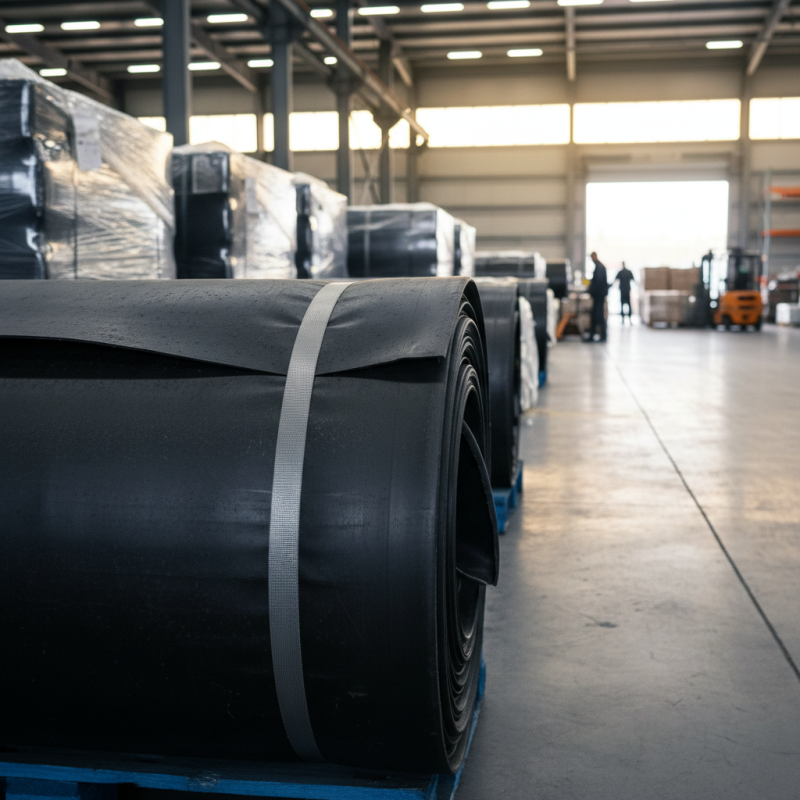
2026 Rubber Tarpaulin Market Overview and Key Trends
The rubber tarpaulin market is evolving rapidly. In 2026, many buyers prioritize durability and versatility in tarpaulin options. Key trends show an increasing demand for eco-friendly materials. Buyers are exploring alternative, sustainable sources. This shift reflects growing environmental awareness.
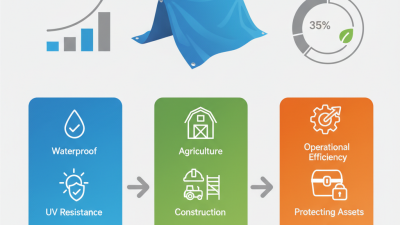
Furthermore, technological advancements are shaping product design. Enhanced waterproof properties and UV resistance are crucial features sought by users. These improvements ensure a longer lifespan and better performance. The industry is also adapting to varying climate conditions globally. However, challenges remain. Some manufacturers struggle to balance cost and quality.
Market insights indicate a shift towards custom solutions. Buyers prefer personalized dimensions and features that meet their specific needs. Yet, finding reliable suppliers can be daunting. Variations in quality and service exist across the board. Feedback from previous purchases is essential for informed decisions. Balancing trust and innovation is key to navigating this vibrant market landscape.
Top Rubber Tarpaulin Manufacturers and Their Product Offerings
When considering the best rubber tarpaulin options for 2026,
manufacturers play a key role. Various companies specialize in different types of rubber tarpaulin.
They offer products catering to industries like construction, agriculture, and transportation.
Some manufacturers focus on durability, while others
emphasize flexibility and ease of use.
Rubber tarpaulins are used in many applications. Some are designed for heavy-duty protection
against harsh weather conditions. Others are lighter, aimed at providing temporary cover. Quality can vary
widely among manufacturers. Buyers must evaluate the specifications carefully to ensure they meet their needs.
Sometimes, the most durable option might not be the most practical
for every purpose.
Challenges exist in identifying the best products. A manufacturer might excel in one area but lack offerings
in another. This can make it difficult for buyers to find comprehensive solutions. Understanding the strengths and weaknesses of each option is crucial.
Thorough research is essential in this complex landscape. Always ask for samples or product literature before
making a decision.
Evaluation of Rubber Tarpaulin Material Performance and Durability
When considering Rubber Tarpaulin materials, performance and durability are crucial. Many buyers seek dependable options that withstand heavy use. A recent industry report indicates that high-quality rubber tarps can endure extreme weather. They resist UV light, rain, and scuffs, making them suitable for outdoor usage. Studies show that rubber tarps have a lifespan of up to 10 years with proper care.
However, not all rubber tarps are created equal. Some cheaper alternatives deteriorate faster due to inferior materials. Reports suggest that opting for reinforced rubber can enhance longevity. It is vital to evaluate the thickness and composition of the tarp. A standard thickness of 18 to 30 mils often indicates superior durability. Buyers should be cautious when selecting a product, avoiding merely low prices.
Additionally, the environmental impact of rubber materials should not be overlooked. Some manufacturers use synthetic blends that may be less eco-friendly. Sustainable sourcing is growing in importance among consumers. Balancing performance with ecological considerations is essential for a responsible purchase. Choosing a well-reviewed rubber tarp can lead to better long-term satisfaction.
2026 Best Rubber Tarpaulin Options Performance Evaluation
Comparative Analysis of Rubber Tarpaulin Prices Globally
When exploring the global market for rubber tarpaulins, price variations can be quite striking. Different regions offer diverse pricing structures based on material costs, production methods, and local demand. Understanding these dynamics is crucial for buyers seeking the best deals. For example, HDPE tarpaulin often provides a cost-effective solution, while UV protected tarp options might come at a premium due to their specialized features.
Buyers should consider local suppliers versus international options. Local markets may have lower shipping costs but could lack in variety. On the other hand, international purchases might provide a wider selection but could incur higher tariffs. Examining price trends is wise, as fluctuations can dramatically impact overall spending.
Tips: Always analyze the durability and functionality before making a purchase. While rot proof tarpaulin offers excellent resistance against decay, users should also assess their specific needs. Comparing quality against price is essential. Sometimes, a seemingly better deal may not provide the expected performance. Researching and reviewing products can lead to informed choices, saving money in the long run.
Applications and Use Cases of Rubber Tarpaulin Across Industries
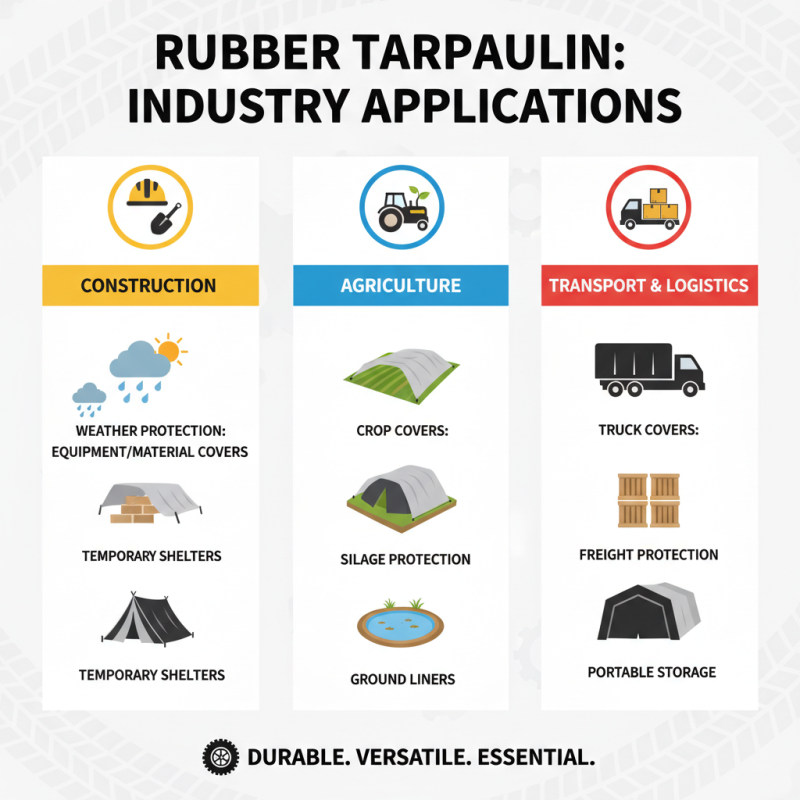
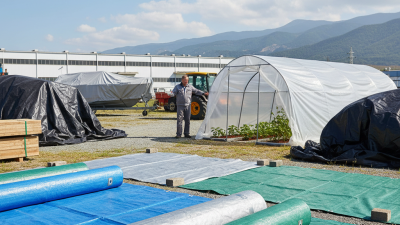
Rubber tarpaulins have versatile applications across numerous industries. They are essential for construction sites, offering protection against weather elements. These heavy-duty materials withstand wear and tear seamlessly. They ensure safety by covering materials and creating temporary shelters. Their durability makes them ideal for outdoor use.
In agriculture, rubber tarpaulins serve as effective covers for crops and hay. They protect against rain and UV rays. This extends the life of agricultural products significantly. Additionally, a green waterproof cover can also be used in landscaping, helping to manage soil moisture and prevent erosion. Reinforced corner tarpaulins enhance stability, making them reliable even in strong winds.
Events and transportation also benefit from rubber tarpaulins. They can shield equipment during transit or protect vendors at outdoor markets. Flexibility in size and shape allows for tailored solutions. However, users must be mindful of the specific requirements. Not every tarp is suited for every situation. Thus, careful selection based on needs is crucial.
Sustainability in Rubber Tarpaulin Production and Recycling Options
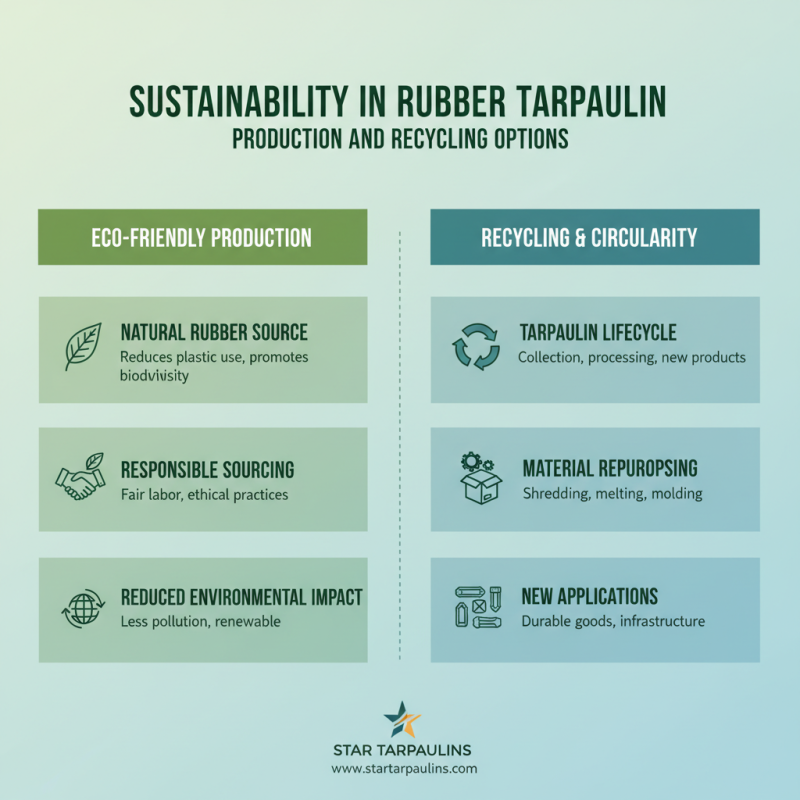
Sustainability in rubber tarpaulin production is essential. Traditional materials often have a considerable environmental impact. Rubber, derived from natural sources, presents a more eco-friendly alternative when sourced responsibly. Creating A Tarpaulin from natural rubber helps reduce plastic usage and promotes biodiversity. However, the challenge remains in sourcing sustainable rubber and ensuring fair labor practices.
Recycling options for rubber tarpaulins also require attention. Innovation in recycling methods is crucial. Many buyers are unaware of how to recycle used tarpaulins effectively. Mechanically breaking down rubber can yield raw materials for new products. Yet, this process is not always energy efficient. Exploring more efficient recycling technologies can aid in reducing waste.
Moreover, buyers often face difficulties in locating reliable recycling facilities. Awareness and accessibility around these options are lacking. This gap in information leads to increased landfill waste. Better communication about recycling facilities is necessary for a sustainable future. The journey toward sustainability in rubber tarpaulin production and recycling is ongoing. It's a shared responsibility, and many elements need improvement.
Customer Buying Guide: Factors to Consider When Choosing Rubber Tarpaulin
When selecting rubber tarpaulin, buyers must consider various factors. Durability is key. According to industry reports, high-quality rubber tarpaulins can last up to 10 years, even under harsh conditions. Look for materials that resist tears, punctures, and UV damage. This can significantly reduce replacement costs over time.
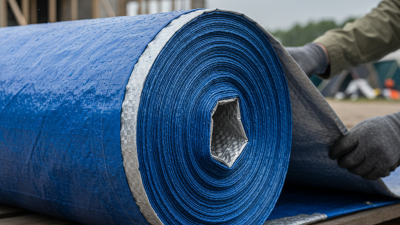
Another crucial element is thickness. Thicker tarpaulins offer greater protection and durability. Typically, thickness ranges from 0.5mm to 1.5mm. A tarpaulin that is too thin may not withstand heavy rain or snow. In contrast, an overly thick option could be too heavy for practical use.
Weight is also important, especially for transportation and deployment. Ensure you find a balance. The right weight affects handling and ease of use. Consider the intended application, whether it's for cover, camping, or industrial use. Rubber tarpaulins should also be resistant to mold and mildew, ensuring they hold up in a variety of environments. Buying choices can often reflect personal needs but should always focus on quality and performance.
2026 Best Rubber Tarpaulin Options for Global Buyers
| Type |
Thickness (mm) |
Weight (g/m²) |
Tensile Strength (N) |
Water Resistance |
Applications |
| Standard Rubber Tarpaulin |
2.0 |
800 |
300 |
Yes |
Covering, Ground Sheet |
| Heavy-Duty Rubber Tarpaulin |
3.0 |
1000 |
400 |
Yes |
Industrial Covers, Truck Tarps |
| Lightweight Rubber Tarpaulin |
1.5 |
600 |
250 |
Yes |
Camping, Marine Covers |
| Flame Retardant Rubber Tarpaulin |
2.5 |
900 |
350 |
Yes |
Construction Sites, Event Covers |
| UV-Resistant Rubber Tarpaulin |
2.0 |
800 |
400 |
Yes |
Agricultural Use, Outdoor Storage |
Enhancing Load Security: The Impact of Waterproof Tarpaulin Pallet Covers on Logistics Efficiency in All-Weather Conditions
In today's logistics industry, the ability to maintain load security while optimizing efficiency is paramount, especially in unpredictable weather conditions. Waterproof tarpaulin pallet covers are emerging as indispensable tools for safeguarding palletized goods. According to industry studies, approximately 30% of product damage in transit is attributed to environmental factors, such as rain and moisture. This emphasizes the necessity for effective protective measures in logistics, particularly when it comes to outdoor storage solutions.
Our heavy-duty waterproof tarpaulin pallet covers stand out as a practical choice for businesses seeking reliability and simplicity. Designed to withstand various weather conditions, these covers ensure that goods remain safe and dry, eliminating the risk of water damage that can lead to costly losses. A report from Logistics Management indicates that companies that adopt durable protective measures see a 25% reduction in product loss during transit, underscoring the significant impact that proper load security can have on overall logistics efficiency.
Furthermore, the ease of use provided by these covers allows for faster loading and unloading processes, enabling businesses to enhance operational efficiency. By integrating waterproof tarpaulin covers into their logistics strategy, companies not only protect their products but also streamline their supply chain operations, ultimately leading to increased customer satisfaction and improved bottom lines. In an era where efficiency is key, investing in robust protective solutions is a step toward ensuring seamless operations, no matter the weather.
FAQS
: Rubber tarpaulins are used in construction, agriculture, events, and transportation. Their versatility fulfills many needs.
They shield crops from rain and UV rays. This extends product life and promotes healthier yields.
Key factors include tear resistance, puncture resistance, and UV damage resistance. Quality materials enhance longevity.
Thicker tarpaulins offer better protection. However, they can be heavy. Balance is essential for practical use.
Many users are unaware of recycling options. Finding reliable facilities is difficult, leading to waste and environmental issues.
Consider durability, thickness, and weight. Match the tarpaulin to its intended use for best results.
No, careful selection is important. Not every tarp fits every need, so understanding requirements is crucial.
Sourcing rubber responsibly helps reduce environmental impact. However, the journey towards sustainability needs continuous improvement.
Conclusion
The article titled "2026 Best Rubber Tarpaulin Options for Global Buyers" provides a comprehensive overview of the rubber tarpaulin market, highlighting key trends and innovations shaping its future. It delves into the performance and durability of various rubber tarpaulin materials, alongside a comparative analysis of pricing strategies on a global scale. The discussion also emphasizes diverse applications across industries, showcasing how rubber tarpaulin serves essential roles in construction, agriculture, and event management.
Moreover, the article addresses sustainability in the production process of rubber tarpaulins and explores recycling options, further underscoring the importance of eco-friendly practices in this sector. A customer buying guide is also included, outlining crucial factors to consider when selecting rubber tarpaulin, ensuring informed decisions for both individual and commercial buyers.


 Wanggou Industrial Park,Lanshan District, Linyi City, Shandong Province, China