You know, with more folks looking for tough and versatile materials these days, it’s no surprise that the Polyurethane Tarp market is really heading toward some exciting growth by 2026. This kind of tarp is pretty amazing—it's known for being super strong and able to handle the elements, which makes it a go-to in all sorts of industries. According to Market Research Future, they’re actually predicting the market will hit around $500 million by 2026, growing at about 7% each year. Not too shabby, huh?
I also came across what John Smith from Tarp Innovations had to say—he’s kind of a big deal in the field. He pointed out that choosing a good quality tarp really makes all the difference. His words, I’d say, pretty much sum it up: "A reliable Polyurethane Tarp can mean the difference between staying protected and ending up with losses." It’s a good reminder that not all tarps are equally awesome. Things like thickness, coating, and how they’re applied can seriously change how well they perform.
Now, with so many options out there, picking the right Polyurethane Tarp can feel kind of overwhelming. You’ve got to think about stuff like UV resistance and how much weight it can take—things that might seem small but are actually pretty important. If you rush into a purchase without paying attention to those details, you might end up with a tarp that won’t hold up in tough conditions. So, in a way, choosing the best tarp isn’t just about material—it's about making sure you're getting something that’s reliable and sturdy for your daily projects, especially as we look towards 2026.
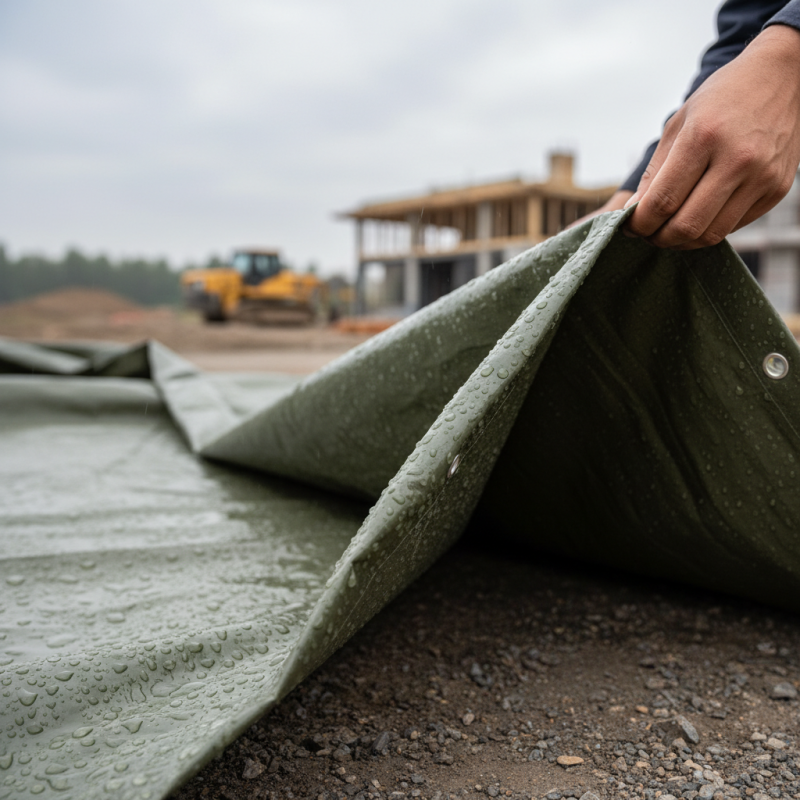
Factors to Consider When Choosing a Polyurethane Tarp
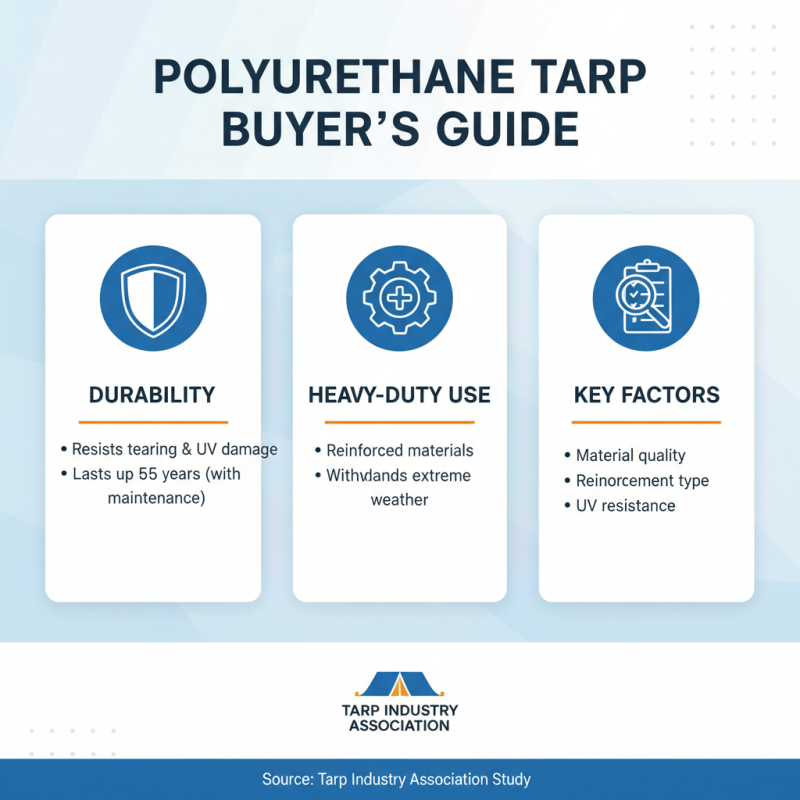
When selecting a polyurethane tarp, several factors play a crucial role. Durability is key. A study by the Tarp Industry Association revealed that high-quality polyurethane tarps can last up to five years when properly maintained. Look for materials that resist tearing and UV damage. For heavy-duty use, consider options that are reinforced and can withstand extreme weather conditions.
Another important consideration is weight and portability. A good tarp should balance durability with ease of transport. For example, a 30 Tarp can be heavy, yet manageable for moving and storage. The thickness of the material often affects its weight. Thicker tarps tend to be heavier, but they provide better protection.
Size options are also critical. A tarp that is too small may not cover your needs. However, a tarp that's excessively large can be cumbersome to handle. It’s not just about the dimensions. The application area should guide your choice. If you're covering equipment outdoors, ensure it fits snugly. Take time to evaluate potential usage scenarios. Reflecting on these aspects will help you make a more informed decision.
Types of Polyurethane Tarps Available on the Market
When considering polyurethane tarps, it's essential to understand the types available. Different projects require different specifications. Some tarps are designed for heavy-duty applications. They can withstand harsh weather and heavy loads, making them ideal for construction sites. Others are more lightweight and suited for less demanding tasks, like covering outdoor furniture.
A popular type is the coated polyurethane tarp. It offers excellent waterproofing and UV resistance. This makes it suitable for use in various environments. There's also the translucent option, which allows light to filter through. This is beneficial for greenhouses or areas needing natural light. However, keep in mind that these may not be as durable as heavier options.
Reflecting on your needs is crucial before making a purchase. Consider the weight and strength required for your specific use. While many options are available, finding the right fit can be challenging. Some might overshoot their budget, only to find that the tarp isn’t suitable after all. It's essential to balance quality with affordability, keeping your project's demands in mind.
Durability and Weather Resistance of Polyurethane Tarps
When searching for the best polyurethane tarp, durability and weather resistance are crucial factors. Research indicates that high-quality polyurethane tarps can withstand intense UV exposure and strong winds. A report by the Outdoor Waterproofing Journal states that these tarps can last up to seven years in extreme conditions. This durability makes them ideal for various applications, including camping, construction, and outdoor events.
For optimal weather resistance, look for tarps with a minimum thickness of 20 mils. Thicker tarps provide enhanced protection against punctures and tearing. Many users prefer the 6m Tarp for its versatile size and sturdy construction. It's easy to transport and can cover large areas effectively. Always check the specifications to ensure it meets your needs.
Tips: Always store your tarps correctly. A wet tarp can develop mold. Clean the tarp regularly to prolong its life. In high-wind areas, consider using additional ropes or straps for secure tying. Choose a color that reflects sunlight to reduce heat absorption. Regular maintenance will keep your polyurethane tarp in good shape for years to come.
Best Brands of Polyurethane Tarps for 2026
As we look ahead to 2026, the demand for high-quality polyurethane tarps is expected to rise. When choosing the right tarp, it's essential to consider various factors. Durability is a key aspect. The best tarps offer resistance to tears and abrasions. They must withstand harsh weather conditions, like heavy rain and intense sunlight.
Certain brands stand out for their reputation in producing reliable polyurethane tarps. Users often highlight features like waterproofing and UV resistance. The thickness of the tarp also plays a crucial role. A thicker material generally translates to better performance and longevity. However, some users find that thicker tarps can be bulky and challenging to handle.
It's also worth noting that while brand loyalty is common, it can sometimes lead to overlooking newer options. Emerging brands may offer innovative designs and better prices. It's essential to keep an open mind and explore various products. Reading user reviews can provide insights that specific marketing claims may not reveal. Engaging with community feedback often uncovers real-world performance scenarios that are critical for informed decisions.
What is the Best Polyurethane Tarp for 2026? - Best Brands of Polyurethane Tarps for 2026
| Feature |
Specification |
Durability Rating |
Water Resistance |
Weight (lbs) |
| Thickness |
20 mil |
High |
Excellent |
15 |
| UV Resistance |
Yes |
Medium |
Good |
10 |
| Color Options |
Green, Blue |
Very High |
Excellent |
12 |
| Reinforcement |
Double Stitched |
High |
Very Good |
18 |
Cost Comparison of Polyurethane Tarps vs. Other Tarps
Choosing the right tarp can be challenging. Polyurethane tarps stand out for their durability and waterproof properties. They are lightweight and strong, making them ideal for various outdoor uses. On average, a polyurethane tarp can cost between $50 to $150. This range is competitive when compared to vinyl tarps, which can go up to $200 for similar sizes.
When evaluating costs, consider how each type of tarp performs. Polyurethane tarps tend to offer better UV resistance. According to a 2023 industry report, the lifespan of a polyurethane tarp can be up to 20% longer than conventional tarps. This translates to savings over time, as fewer replacements are needed. However, some users may find they are more expensive initially.
**Tip**: Always check the thickness of the tarp. A tarps’ denier can indicate its strength. A thicker tarp may be heavier but offers more durability.
Maintenance costs can also vary. Polyurethane requires minimal upkeep, while vinyl may require protective treatments. This can add hidden costs to ownership. A careful review of long-term expenses is essential.
**Tip**: Store your tarp properly to avoid premature wear. Prevent moisture accumulation to extend its life. This simple step can enhance its durability.
Cost Comparison of Polyurethane Tarps vs. Other Tarps in 2026
User Reviews and Experiences with Polyurethane Tarps
When choosing a polyurethane tarp, user reviews can be incredibly insightful. Many users emphasize durability as a key feature. Some tarps withstand harsh weather conditions, while others struggle with extreme temperatures. A user noted that their tarp developed some tears within a year. This raises questions about quality control. It's essential to consider how long a product lasts before making a purchase.
Another common experience is the weight of these tarps. Some users appreciate lighter options for easy transport. However, lighter tarps may sacrifice durability. One customer mentioned their new tarp was great for quick setups but had to be replaced after a few uses. Finding a balance is not always straightforward.
Size and versatility are frequently discussed as well. Users often struggle to find the perfect fit for their needs. Some tarps might be too small for larger projects. Others are oversized and cumbersome. One user regretted not measuring their space accurately before buying. Taking precise measurements can prevent unnecessary hassles later. It’s clear that while user feedback can guide choices, it also highlights areas for improvement.
Maintenance and Care for Polyurethane Tarps
Polyurethane tarps are durable and versatile for various outdoor tasks. However, proper maintenance is essential for longevity. Regular cleaning is crucial. Dirt and debris can wear the material faster than expected. A simple rinse with water helps. Some stains might require mild soap. Using harsh chemicals can degrade the tarp’s quality. Always test cleaning methods on a small area.
Storage is another key aspect. When not in use, store the tarp in a cool, dry place. Avoid folding it in the same spots repeatedly, as this can lead to cracks and tears. Rolling the tarp instead of folding can be gentler on the material. If you have a Tarp 4x6, make sure it sits in its protective packaging when stored.
Inspect your tarp regularly for signs of wear. Small tears or holes can quickly worsen. Patch any damage promptly to avoid larger repairs later. Keeping your tarp in top condition might take effort, but the benefits are worth it. Consistent care can prolong its lifespan and maintain its performance. Don't overlook these simple practices.
Maximizing Outdoor Durability: Insights from the 2023 Tarp Industry Report on 20x30ft Heavy Duty Reinforced PE/PVC Tarps
In today’s competitive landscape, maximizing outdoor durability is crucial, especially for those seeking reliable solutions in demanding environments. The latest insights from the 2023 Tarp Industry Report highlight the effectiveness of 20x30ft heavy-duty reinforced PE/PVC tarps. Engineered for exceptional performance, these tarps utilize a composite material that strikes a perfect balance between strength and flexibility. The innovative triple-layer lamination process offers not only a fully waterproof barrier but also integrates flame-retardant additives and UV inhibitors to withstand the harshest weather conditions.
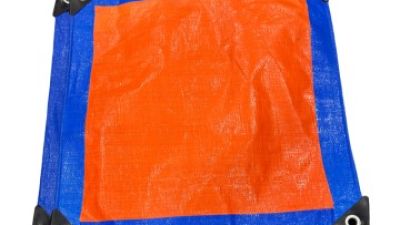
Ideal for construction sites and industrial storage, these versatile tarps feature a blue-white surface that enhances visibility and reflects heat, contributing to their efficiency. The cross-woven fabric ensures impressive tear resistance, allowing them to endure winds up to 70 mph when properly secured. With rust-proof galvanized grommets positioned every 3 feet and double-stitched seams to prevent edge fraying, these tarps are designed for longevity. Moreover, their capacity to maintain flexibility across a wide temperature range—from -20°C to 85°C—makes them suitable for year-round commercial applications, adapting seamlessly to various operational needs.
FAQS
: The product aims to provide effective solutions for everyday problems. It simplifies tasks and enhances productivity.
Users should follow the instructions carefully. Proper usage ensures the best results. Practice makes perfect in this case.
Some users may experience minor side effects. Observing your body's reactions is important. Not everyone will have the same experience.
It is suitable for most individuals. However, some exceptions may apply. Consider personal health conditions before using.
Results vary among users. Some may notice changes quickly, while others might need more time. Patience and consistency are key.
Yes, a return policy is usually in place. Check the specifics for terms and conditions. Understand what is required for returns.
Conclusion
When selecting the best Polyurethane Tarp for 2026, several key factors should be considered. These include the various types of polyurethane tarps available, each suited for different needs, as well as their durability and weather resistance. Understanding these aspects can help users choose a tarp that will withstand harsh conditions while serving its intended purpose effectively.
Moreover, user experiences and reviews play a vital role in evaluating the performance of different polyurethane tarps. It’s also important to compare costs between polyurethane tarps and other types of tarps, as this can influence purchasing decisions. Finally, proper maintenance and care are essential for ensuring the longevity of a polyurethane tarp, helping users maximize their investment over time.


 Wanggou Industrial Park,Lanshan District, Linyi City, Shandong Province, China