Looking ahead to 2026, it’s expected that the demand for Polyethylene Canvas will really pick up. Industry insiders are saying that by the end of this decade, the global Polyethylene market could hit around $200 billion. A big reason for this growth? Its versatility—people are finding all sorts of uses for it across different industries. Experts often point out how essential it’s become in areas like construction and agriculture. Dr. Michael Green, who’s well-known in the polymer world, recently mentioned, "Polyethylene Canvas is really becoming a go-to material for both commercial projects and personal needs because it’s durable and affordable."
As the market shifts and expands, buyers are gonna want to pay attention—they can’t just assume all Polyethylene products are the same. A lot of folks are specifically on the lookout for UV Resistant Polyethylene Tarps for outdoor work, but with so many options out there, it’s easy to get a little overwhelmed. That’s why manufacturers really need to build trust by being upfront about quality and providing clear info.
Of course, there are some hurdles—like making sure production is sustainable. People are really concerned about carbon footprints and eco-friendliness these days. If suppliers want to stay on top of the game, they’ll need to tackle these issues head-on. All in all, understanding what makes Polyethylene Canvas great, and what its limitations are, can really help buyers make smarter choices down the line.
Overview of Polyethylene Canvas and Its Applications
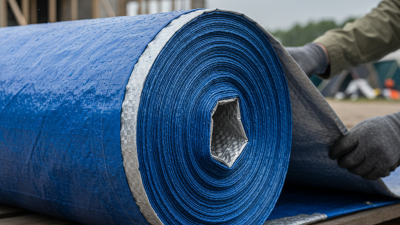
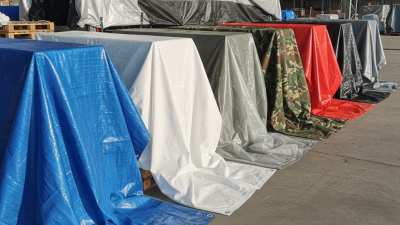
Polyethylene canvas is a versatile material widely used in various industries. Its lightweight and durable nature make it ideal for applications in construction, agriculture, and outdoor activities. According to a 2022 market report, the global polyethylene canvas market is expected to grow by 4% annually through 2026. This growth reflects increased demand across multiple sectors.
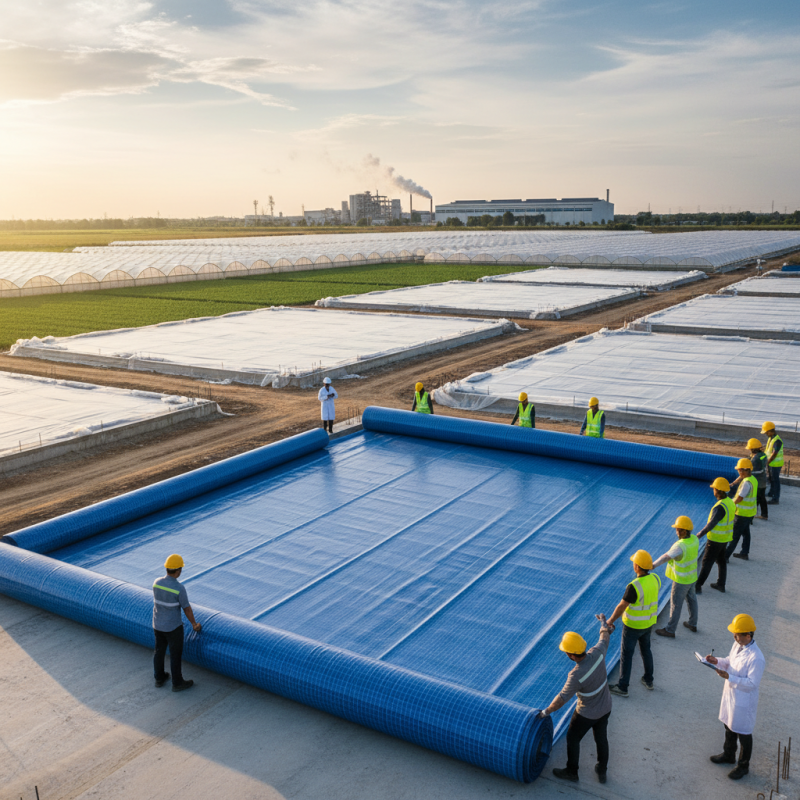
In construction, polyethylene canvas serves as a vital component for tarps, providing protection against moisture and debris. Its UV resistance extends the lifespan of structures. In agriculture, this material is used for covering crops and livestock, helping to maintain optimal conditions. Data reveals that farmers using polyethylene covers report a 15% increase in crop yields, demonstrating its effectiveness. While these applications showcase its advantages, there are concerns about environmental impact. The disposal of polyethylene products can lead to pollution if not managed properly.
As industries rely on polyethylene canvas, they must also consider sustainable practices. Recycling initiatives are becoming increasingly critical. A report by the Environmental Protection Agency indicates that only 9% of plastic products, including polyethylene, are recycled. This statistic highlights the need for innovation in recycling processes. Adopting more sustainable solutions can enhance the benefits of polyethylene canvas while minimizing ecological harm.
Key Features to Look for in Polyethylene Canvas
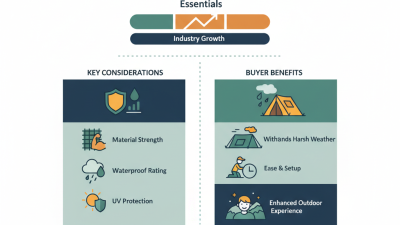
When searching for the best polyethylene canvas in 2026, consider key features that enhance durability and functionality. Look for temperature resistance, which allows the canvas to perform well in various climates. A great Polyethylene Tarp will withstand extreme weather conditions, making it suitable for outdoor activities or projects.
Waterproof capabilities are essential. Select a polyethylene canvas that offers excellent water resistance to protect your gear from moisture. This feature is crucial for camping, construction, or agricultural applications. The right choice can prolong its lifespan and provide reliable performance.
Tip: Inspect the stitching and seams. High-quality construction prevents leaks and tears. A well-made tarp can be an investment in protection and reliability.
Another feature to consider is flexibility. A more adaptable polyethylene tarp can be easier to transport and set up. Consider how frequently you'll use it and for what purposes. Think about size and weight for easy handling.
Tip: Test the material’s resilience. Check how it holds up under tension. This will give insight into its performance in real-world scenarios. You want a canvas that won’t disappoint when it's needed the most.
Top Manufacturers of Polyethylene Canvas for Global Buyers
As the global market for polyethylene canvas continues to expand, identifying the top manufacturers becomes crucial for buyers. These companies have established a reputation for providing durable and versatile products. The best manufacturers focus on quality control and innovative design. They cater to various industries, including agriculture, construction, and shipping.
Several key factors distinguish leading polyethylene canvas manufacturers. They invest in advanced technology and sustainable practices, ensuring longevity in their products. Many also prioritize customer service, creating a trustworthy relationship with buyers. However, some manufacturers may overlook the need for transparency in their sourcing practices. This gap can lead to skepticism among potential customers.
Buyers should consider their unique needs when selecting a supplier. Factors like cost, durability, and specific application should guide decisions. Industry trends also play a role. Understanding these elements can help buyers make informed choices. Investing time to research can mitigate risks, ensuring satisfaction with their purchase.
Best Polyethylene Canvas for Global Buyers in 2026
| Manufacturer Region |
Production Capacity (tons/year) |
Market Share (%) |
Average Price (USD/sqm) |
Primary Application |
| North America |
3000 |
25 |
1.50 |
Construction & Agriculture |
| Europe |
2500 |
30 |
1.70 |
Industrial & Commercial |
| Asia-Pacific |
5000 |
20 |
1.20 |
Packaging & Storage |
| Latin America |
1500 |
15 |
1.60 |
Agricultural Tarps |
| Africa |
2000 |
10 |
1.80 |
Construction & Crafts |
Trends in Polyethylene Canvas Production for 2026
The production of polyethylene canvas is evolving significantly as we approach 2026. A focus on sustainability is becoming essential. Many manufacturers are exploring eco-friendly materials and practices. This shift may drive innovation in Tarp Polyethylene production. As a result, buyers will likely demand transparency in sourcing and manufacturing.
Technological advancements are also impacting production techniques. Automation and smart manufacturing are reducing costs while increasing efficiency. However, challenges remain. Some manufacturers struggle to balance quality and sustainability. They may cut corners, leading to unreliable products. Buyers should remain vigilant and prioritize quality over price.
Consumer preferences are changing too. There is a growing interest in multifunctional polyethylene canvases. Products must serve various purposes, from camping to construction. This trend requires manufacturers to adapt their designs. Not all companies are ready to meet this shift. It could result in a market filled with unsuitable options. Buyers should carefully evaluate their needs and research available products.
Comparative Analysis of Polyethylene Canvas Types
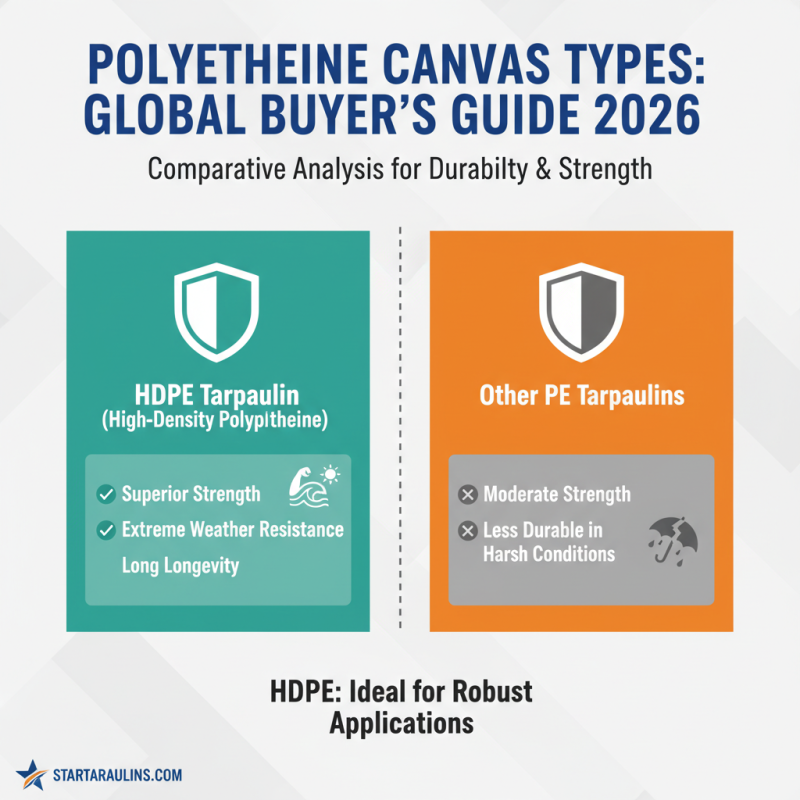
When considering the best polyethylene canvas types for global buyers in 2026, several factors come into play. Firstly, the durability of Polyethylene Tarpaulin is crucial. Reports indicate that high-density polyethylene (HDPE) offers superior strength and longevity. It can withstand harsh weather conditions and heavy wear, making it ideal for various applications.
Additionally, light-weight polyethylene canvases gain popularity for specific uses. These canvases are not as robust as HDPE versions but are suitable for temporary structures. A recent market survey found that nearly 35% of users prefer lighter options for their portability and ease of handling. However, a trade-off exists. While lighter canvases are more convenient, they lack the durability found in heavier variants.
Environmental concerns also influence purchasing decisions. Many manufacturers are shifting towards recyclable materials. Some studies highlight that eco-friendly polyethylene tarpaulin can reduce environmental impact but often costs more. Buyers need to weigh performance against sustainability when choosing their canvas type. Reflecting on these factors reveals gaps in consumer awareness and the need for more comprehensive education in this area.
Eco-Friendly Innovations in Polyethylene Canvas Industry
The polyethylene canvas industry is undergoing significant eco-friendly innovations.
Sustainability is now a priority for manufacturers and consumers alike.
This shift is changing how polyethylene canvas is produced, used, and recycled.
New methods of production utilize biodegradable additives. These additives help reduce the environmental impact of polyethylene products.
Some companies are exploring plant-based resins as alternatives.
However, these innovations are still in their infancy, and challenges remain.
The cost of implementing these new materials can be high. Companies must balance sustainability with affordability.
Recycling practices are also evolving. A greater emphasis is placed on creating a closed-loop system for polyethylene products.
This encourages reuse and reduces waste. Yet, the infrastructure for recycling is often lacking in many areas.
Education on recycling polyethylene canvas is still needed, as many consumers are unaware of how to recycle these materials properly.
Consequently, progress must continue to ensure a greener future for the industry.
Market Strategies for Global Buyers in Selecting Polyethylene Canvas
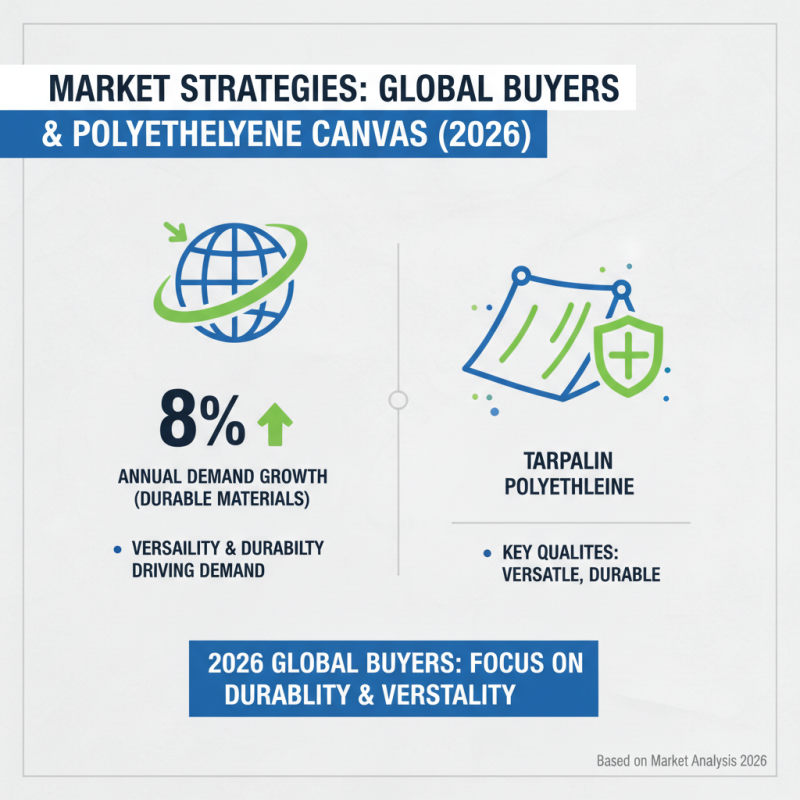
When selecting the right polyethylene canvas, understanding market strategies is crucial. In 2026, global buyers must consider unique qualities. Tarpaulin Polyethylene is gaining traction for its versatility and durability. According to a recent market analysis, the demand for durable materials is projected to grow by 8% annually.
Price sensitivity is a significant factor. Buyers should explore various suppliers to find competitive pricing. However, cheaper options may compromise quality. Always scrutinize product specifications. Look for UV resistance, tear strength, and water repellency. Quality can significantly impact user experience.
**Tip:** Always request samples before making large purchases. This allows you to assess the material firsthand.
Additionally, environmental impact is essential. Research suppliers’ sustainability practices. Finding a balance between performance and environmental responsibility can be challenging. It’s crucial to ask for certifications to ensure compliance with standards.
**Tip:** Consider lifecycle assessments of polyethylene tarpaulin. Understanding the full impact helps in making informed choices.
Conclusion
The article "Best Polyethylene Canvas for Global Buyers in 2026?" provides a comprehensive overview of polyethylene canvas and its diverse applications across various industries. It outlines the essential features that buyers should consider, such as durability, UV resistance, and water repellency, which are crucial for ensuring product longevity and performance.
Additionally, the article highlights the top manufacturers in the polyethylene canvas market and examines emerging trends in production expected for 2026, including advancements in eco-friendly materials and manufacturing processes. A comparative analysis of different types of polyethylene canvas is presented, along with strategic market insights to assist global buyers in making informed decisions when selecting the right polyethylene canvas for their needs. Overall, the article serves as a valuable resource for understanding the evolving landscape of polyethylene canvas and its implications for buyers worldwide.


 Wanggou Industrial Park,Lanshan District, Linyi City, Shandong Province, China