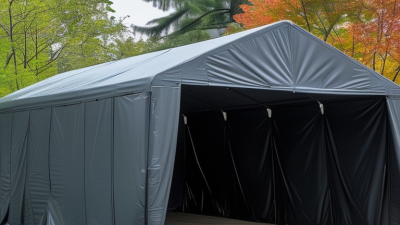
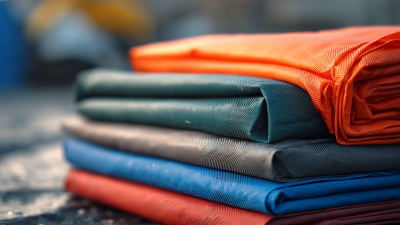
Looking ahead to 2026, it’s pretty clear that demand for Nylon Tarpaulins is set to pick up quite a bit around the world. I was reading the latest Global Tarpaulin Market Report, and it mentioned that the nylon segment is expected to grow by about 5.5% each year. That’s actually pretty impressive, and it mainly comes down to how lightweight yet tough these tarps are—perfect for tons of different uses. Companies like Tarps Now and Fabri-Tech have been noticing more and more interest from sectors like agriculture and construction, which is quite exciting.
What’s really cool about Nylon Tarpaulin is how versatile it is; it can be used to cover equipment, provide shelter, and a lot more. But, of course, it’s not all smooth sailing. Some manufacturers are running into issues sourcing good quality nylon, which can sometimes mean their products aren’t quite as reliable as they’d like. Plus, the fluctuating prices of raw materials can shake things up a bit, making the market a little unpredictable. So, if you're shopping around, it’s definitely worth doing your homework on suppliers and their credentials.
As the market evolves, people should keep an eye on things like UV resistance and waterproofing—these features really make a difference. Tarps can vary a lot in quality, so knowing what to look for will help you make smarter choices. Overall, the outlook is promising, but being aware of these hiccups can help you navigate the landscape of Nylon Tarpaulin better in 2026.
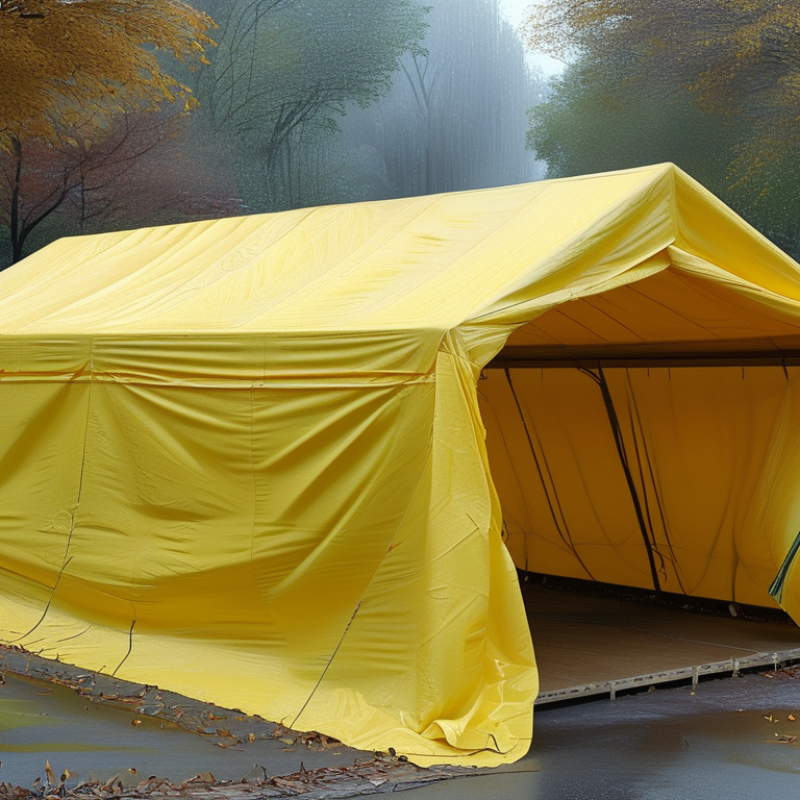
Overview of Nylon Tarpaulin Applications in 2026
Nylon tarpaulins are gaining traction in diverse sectors. In 2026, their applications are expected to expand significantly. Industries such as agriculture, construction, and outdoor recreation are leading users. According to a recent market report, the global nylon tarpaulin market could reach $1.5 billion by 2026, reflecting a 5% annual growth rate. This rise is fueled by the increasing need for durable, waterproof materials in various projects.
The agricultural sector uses nylon tarpaulins for crop protection and covering equipment. Their lightweight yet robust nature makes them ideal for outdoor storage and shelter. In construction, these tarps protect building materials from moisture and dirt. They can be easily deployed and secured, which saves time on site.
Nylon tarpaulins also appeal to recreational activities. Campers and outdoor enthusiasts rely on them for temporary shelters and ground covers. The versatility of these tarps cannot be overstated. However, one must consider the environmental impact of production and disposal. Sustainable options are essential to minimize harm.
When choosing a nylon tarpaulin, it’s important to assess weight ratings and UV resistance. Look for brands that offer comprehensive specifications. Always ask about the manufacturing process to ensure eco-conscious choices. The market is evolving, prompting buyers to stay informed on best practices.
Key Features to Look for in Nylon Tarpaulins
When selecting a nylon tarpaulin, focus on its key features. Durability is crucial. A high-quality tarpaulin should endure harsh weather conditions. Look for materials that offer resistance to UV rays. This feature prolongs the life of the tarp and prevents fading. The fabric's denier counts contribute to its strength. A higher denier means greater resilience against tears and punctures.
Next, consider water resistance. A reliable nylon tarpaulin should effectively repel water. This characteristic is essential for outdoor applications. It keeps contents dry, whether used for covering equipment or as temporary shelter. Examine the seams as well. Double-stitched seams enhance waterproofing and durability. Reinforced edges also prevent fraying.
Weight is another factor. Lightweight options are easier to transport but may lack strength. Heavier tarpaulins offer stability but can be cumbersome. Balance is key here. Furthermore, assess portability features. Grommets and attachment points enable easier setup and securing. Evaluate these details based on your specific needs. A 2026 buyer should consider how each feature will match their use case. It’s important to reflect on past experiences with tarps. What worked? What didn’t? This mindset allows for informed decisions in the future.
Top Brands and Manufacturers of Nylon Tarpaulin for Global Buyers
The nylon tarpaulin market is evolving rapidly. In 2026, global buyers are looking for durable and high-performance materials. Reports suggest that the demand for nylon tarpaulin will increase by 15% annually. This growth reflects its versatility in various applications, including camping, agriculture, and transportation.
Top manufacturers are focusing on innovative production methods. Eco-friendly materials are becoming a priority in this industry. A recent study indicates that over 60% of consumers now prefer sustainable options. The ability to withstand extreme weather conditions is another crucial factor. Brands that can guarantee UV resistance and water repellency will likely lead the market.
Buyers are increasingly aware of quality. The difference between low-cost tarps and premium options is becoming clearer. Quality impacts durability and longevity, affecting overall value. Manufacturers are encouraged to enhance their quality control processes to stay competitive. Continuous improvement in product offerings could lead to better market positioning and consumer trust.
Best Nylon Tarpaulin for Global Buyers in 2026
| Dimension (cm) |
Weight (kg) |
Water Resistance (mm) |
UV Protection (%) |
Color Options |
Price Range (USD) |
| 300 x 400 |
5.0 |
3000 |
95 |
Blue, Green, Black |
50-100 |
| 250 x 300 |
4.0 |
2500 |
90 |
Red, Yellow, Grey |
40-80 |
| 350 x 500 |
7.0 |
3500 |
92 |
Black, White, Olive |
70-120 |
| 200 x 250 |
3.0 |
2000 |
85 |
Beige, Blue, Pink |
30-70 |
Environmental Impact and Sustainability of Nylon Tarpaulin Products
The environmental impact of nylon tarpaulin products is significant. While nylon is durable and water-resistant, its production involves fossil fuels, contributing to greenhouse gas emissions. Most nylon tarpaulins end up in landfills after use. This presents a challenge for sustainability.
Recycling nylon is possible but often overlooked. Many consumers are unaware of recycling programs for such materials. Efforts to create biodegradable alternatives have made progress, yet they remain limited in availability. Public awareness about these options is crucial for pushing the industry toward greener practices.
Manufacturers face the increasing pressure to prioritize environmental considerations. Commitment to eco-friendly processes is essential for long-term sustainability. There is a need to balance durability with environmental responsibility. Buyers can influence this shift by choosing products that align with their values. Understanding the lifecycle of nylon tarpaulin will promote informed choices in the future.
Cost Analysis and Budget Considerations for Buyers in 2026
When considering nylon tarpaulins in 2026, cost analysis plays a crucial role for buyers. Prices can vary greatly. Factors include material quality, size, and durability. Nylon tarps are known for their strength and flexibility, but not all options are created equal. Cheaper tarps may save you money upfront but can lead to higher long-term costs.
Buyers should evaluate their needs carefully. For instance, a lightweight tarp may suffice for occasional use. However, heavy-duty projects demand a more robust option. Budgeting should also account for potential shipping fees and import duties, especially for global purchases. Unexpected expenses can arise if the tarp needs replacement sooner than anticipated.
While price is a major factor, finding the right balance between quality and cost is essential. It’s beneficial to research different suppliers and compare user reviews. Allotting funds for unexpected issues can help prevent frustration. As the market evolves, maintain flexibility. Prices might fluctuate alongside global demand and material availability. Assessing the real value you get from your nylon tarpaulin will ultimately contribute to a more successful purchase decision.
Tips for Maintaining and Caring for Nylon Tarpaulins
Caring for nylon tarpaulins is essential for their longevity. These versatile covers are often used for outdoor events, camping, and protection against weather elements. Proper maintenance can help you get the most from your investment. Regular cleaning is critical. Use mild soap and water to remove dirt and debris, making sure to rinse thoroughly. A soft brush can help remove stubborn stains without damaging the fabric.
Storage is another key factor. Always dry the tarpaulin before folding it to prevent mold growth. Choose a cool, dry place for storage. Avoid leaving it in direct sunlight for prolonged periods, as UV rays can degrade the material over time. It’s also wise to inspect the tarpaulin for any damages, like tears or stitched areas that may need reinforcement.
Sometimes, it’s easy to overlook these details. In a rush, you might store a wet tarpaulin, leading to unforeseen issues. Reflect on your storage habits. When you develop a routine for care, you ensure your nylon tarpaulin remains reliable for years to come. Regular attention to these aspects helps maintain its performance and appearance.
Best Nylon Tarpaulin for Global Buyers in 2026
This bar chart illustrates the ratings of various features of nylon tarpaulins anticipated to be used by global buyers in 2026. Key features included are Durability, Water Resistance, UV Protection, Weight, and Price, reflecting their importance in decision making. Ratings are out of 10, with higher values indicating better performance.
Future Trends in Nylon Tarpaulin Technology and Design
In 2026, nylon tarpaulin technology is expected to evolve significantly. Industry reports suggest that the global nylon tarpaulin market will grow at a compound annual growth rate (CAGR) of over 5%. The increasing demand for lightweight and durable materials within construction and outdoor applications is driving this acceleration. New manufacturing techniques focusing on eco-friendly processes are also gaining traction, pushing companies toward sustainable production.
Recent advancements in nylon blends provide better UV resistance and waterproofing capabilities. These innovations are important, as user feedback often highlights limitations in longevity and performance. Many users have pointed out that older models wear out quickly under harsh weather conditions. The shift to high-tenacity nylon fibers addresses this issue, promising longer-lasting solutions for buyers.
Additionally, integration with smart technology is becoming a trend. Tarps equipped with sensors that monitor conditions like humidity and temperature are being tested. This could enhance safety and functionality in various applications. However, the complexity of such features raises questions about reliability and user-friendliness. As manufacturers implement these changes, they must remain vigilant about performance and usability. Balancing innovation with practical application will be crucial for success in the future market.
Conclusion
In 2026, the applications of Nylon Tarpaulin continue to expand across various industries, offering versatility and durability. Buyers should prioritize key features such as UV resistance, waterproof capabilities, and tensile strength when selecting Nylon Tarpaulin for their needs. The article emphasizes the importance of considering environmental impact, promoting sustainable practices in the tarpaulin manufacturing process, as well as addressing cost analysis to help buyers stay within budget.
Moreover, proper maintenance and care are crucial for extending the lifespan of Nylon Tarpaulin products. As technology evolves, future trends indicate innovative designs and enhancements in performance, ensuring that Nylon Tarpaulin remains a leading choice for global buyers looking for reliable and effective solutions in diverse applications.


 Wanggou Industrial Park,Lanshan District, Linyi City, Shandong Province, China