Picking a reliable Fabric Tarp manufacturer isn't just about checking out the prices in their catalogs—there's a lot more to consider. If you're buying from abroad, for example, you'll want to look into the material's strength, how well it's coated, the stitching quality, options for customization, and their experience with exporting. Sometimes, a tarp might look super sturdy in a product photo, but get it in person and find out that the seams are weak—then wind, rain, or even just repeated folding can cause problems.
This guide highlights ten well-known manufacturers like Tarps Now, Keder Solutions, Canwil Textiles, The Tarps Company, Shur-Co, Mytee Products, Herculite, Serge Ferrari, Sioen Industries, and Tarping USA. We’re breaking down their offerings based on real-world shopping factors. Think about fabric types, waterproof features, UV resistance, size accuracy, reinforcement, and whether they support custom orders. Certifications, testing info, and clear communication are also key—they help cut down the guesswork for everyone involved, whether you’re a distributor, contractor, transport company, or industrial user.
Of course, everyone’s needs can be pretty different. A construction supply company might need reinforced corners and quick restocking options, while a logistics company may focus more on exact dimensions, durability against abrasion, and reliable delivery times. Farmers and other outdoor users often want breathable or coated fabrics that can handle changing weather conditions. No single manufacturer is perfect for every job, and that's something to keep in mind. Some might excel at customization but require larger minimum orders, while others offer quick standard products but with less tech variety.
Before committing to a big order, it's smart to ask for samples, detailed technical sheets, seam info, and written quotes. Remember, this guide is just a starting point. Manufacturing capabilities, lead times, and product specs can change over time, so always double-check before making final decisions. Better safe than sorry, right?
Fabric Tarp Fundamentals for Global Buyers
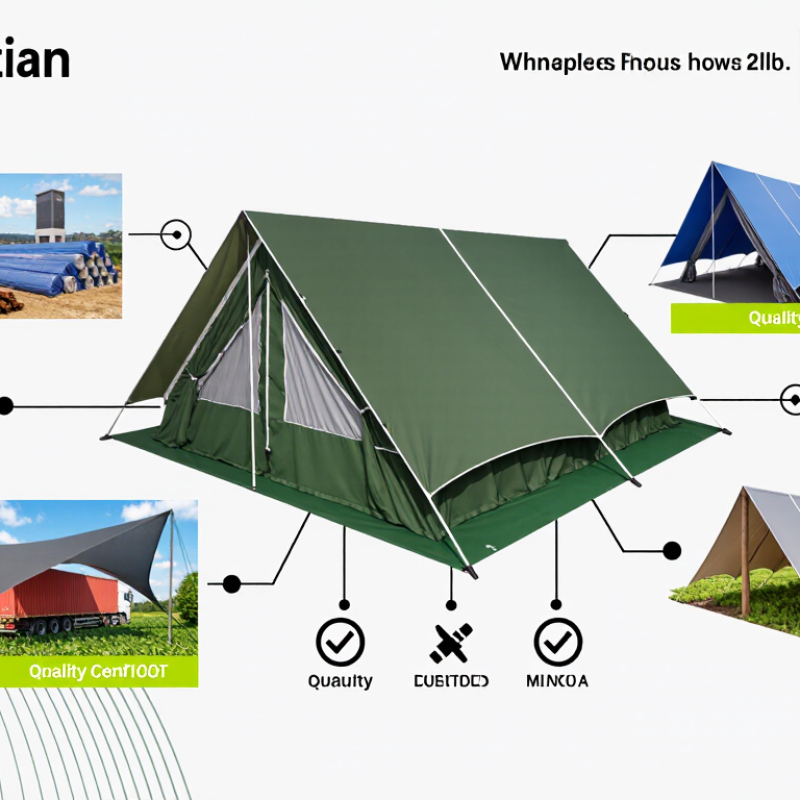
Choosing among fabric tarp manufacturers starts with understanding the material, not the catalog image. PE tarps are lightweight, economical, and usually laminated over woven polyethylene. They suit temporary covers, garden storage, and general transport protection. PVC-coated polyester is heavier and more flexible in severe weather. Its coated surface resists water, abrasion, and ultraviolet exposure, while heat-welded seams can reduce leakage. Canvas feels different. It breathes better and limits condensation, but untreated canvas is not fully waterproof. Cotton blends need careful drying after use.
GSM means grams per square meter. A higher GSM usually indicates more material, but it does not automatically mean better performance. A dense 450 GSM tarp may outlast a loose 600 GSM tarp. That detail is easy to miss. Ask for fabric weight, base cloth denier, weave density, and coating thickness separately. PE often uses lamination, while PVC may use knife coating or calendaring. Acrylic and polyurethane coatings can improve water resistance, flexibility, or color retention, depending on the application.
Reliable suppliers should provide sample pieces, seam information, UV testing, tensile strength, and low-temperature performance data. Inspect the hem, corner reinforcement, grommet spacing, and stitching before placing a large order. A tarp can look strong while failing around one metal eyelet. Request production tolerances in writing, because stated dimensions may exclude hems. Small details matter. Global buyers should compare measured samples, not promises alone.
| Fabric or Construction | Typical GSM Range | Base Material | Water Resistance | UV and Weather Performance | Flexibility and Durability | Common Applications | Key Buyer Checks |
|---|---|---|---|---|---|---|---|
| PE Woven Laminated Tarp | 60–240 g/m² | Woven polyethylene fabric with laminated PE film | Generally waterproof when the film, hems, and seams are intact | Moderate to good; UV stabilizer level strongly affects service life | Lightweight, flexible, economical, and easy to handle; lower grades can split under abrasion | Temporary covers, agricultural protection, construction sheeting, camping, and cargo covering | Check weave density, lamination thickness, UV package, hem reinforcement, and grommet spacing |
| PVC-Coated Polyester Tarp | 300–1,000 g/m² | Polyester scrim coated with polyvinyl chloride | Highly waterproof when properly coated and heat-welded | Very good when formulated with outdoor-grade UV and weathering additives | High tensile and tear strength; heavier and less packable than PE | Truck covers, industrial curtains, shelters, banners, machinery covers, and long-term outdoor use | Check coating thickness, fabric denier, weld strength, cold-crack temperature, and fire requirements |
| Acrylic-Coated Polyester | 180–450 g/m² | Woven polyester with acrylic surface coating | Water-repellent to water-resistant; waterproof performance depends on coating weight and seam design | Good color retention and resistance to sunlight for outdoor textile products | Soft hand feel, lighter than PVC, and suitable for repeated folding | Canopies, awnings, outdoor furniture covers, and shade structures | Confirm hydrostatic-pressure results, seam construction, coating adhesion, and colorfastness |
| PU-Coated Polyester or Nylon | 60–250 g/m² | Polyester or nylon fabric coated with polyurethane | Waterproof potential is high at suitable coating weights; seams normally require sealing | Good for many applications, but some PU systems can hydrolyze in prolonged heat and humidity | Lightweight and compact; nylon is highly tear-resistant but can absorb moisture and stretch | Technical covers, tents, backpacks, lightweight shelters, and outdoor equipment | Check hydrolysis resistance, coating side, seam-tape compatibility, tear strength, and storage conditions |
| PVC-Laminated Polyester | 400–900 g/m² | Polyester scrim laminated between or beneath PVC films | Waterproof if the laminate is continuous and seams are welded or properly sealed | Good to very good depending on UV stabilizers and plasticizer formulation | Strong and weldable; laminate construction may be less flexible than coated fabric in cold weather | Large industrial covers, truck side curtains, temporary buildings, and containment covers | Inspect laminate bonding, plasticizer migration, weldability, low-temperature flexibility, and roll width |
| Cotton Canvas | 280–600 g/m² | Woven cotton yarn | Naturally breathable; water resistance requires treatment and is not permanently waterproof | Moderate; prolonged moisture and sunlight can cause mildew, fading, and fiber degradation | Strong, breathable, and comfortable to handle; heavier and slower to dry than synthetics | Traditional drop cloths, utility covers, historical-style tents, and breathable equipment covers | Check treatment type, mildew resistance, shrinkage, seam allowance, and care requirements |
| Polyester Canvas | 250–650 g/m² | Woven polyester, often with a water-repellent or coated finish | Better moisture resistance than untreated cotton; full waterproofing requires a suitable coating | Good resistance to sunlight, mildew, and dimensional change | Durable and relatively stable; generally less breathable than cotton canvas | Outdoor furniture covers, awnings, equipment covers, and heavy-duty fabric products | Check yarn count, coating or finish, hydrostatic head, abrasion resistance, and colorfastness |
| PVC-Coated Mesh Tarp | 250–600 g/m² | Open-weave polyester mesh with PVC coating | Not fully waterproof; designed to allow airflow and partial light or water passage | Good when made with outdoor-grade PVC and UV-stabilized yarns | Strong, breathable, and resistant to wind loading; privacy depends on mesh openness | Truck load covers, shade screens, fencing, scaffolding screens, and windbreaks | Check mesh openness, air permeability, edge reinforcement, tear strength, and UV test method |
| Fire-Retardant PVC Tarp | 450–1,000 g/m² | PVC-coated polyester with flame-retardant formulation | Normally waterproof when coating and seams are intact | Good to very good for approved outdoor formulations | Heavy-duty and weldable; flame performance can involve trade-offs in flexibility and cost | Event structures, industrial partitions, public-space shelters, and temporary buildings | Request the exact fire classification, test standard, certificate scope, smoke data, and batch traceability |
| Multi-Layer Insulated Tarp | 500–1,500 g/m² | Composite layers such as woven fabric, foam or insulation, and waterproof outer film | Usually waterproof on the outer face; edge and seam design determine leakage resistance | Depends on the outer film, fabric, and stabilizer package | Provides thermal or light-blocking performance but is bulky and more difficult to fold | Temperature-sensitive cargo, acoustic barriers, cold-weather covers, and specialized enclosures | Check thermal resistance, insulation thickness, water leakage, compression recovery, and finished weight |
10 Best Fabric Tarp Manufacturers for Global Buyers
Industry Benchmarks: ASTM D751, ISO 4892-3, and EN 13501-1
Selecting fabric tarp manufacturers requires more than comparing prices or catalog photos. ASTM D751 provides practical test methods for coated fabrics, including dimensions, tensile strength, tear resistance, and coating adhesion. Buyers should confirm which methods were used. A report using only one test cannot describe the entire tarp.
UV exposure deserves equal attention. ISO 4892-3 uses fluorescent ultraviolet lamps to evaluate weathering performance under controlled conditions. Ask for exposure time, lamp type, temperature, and inspection results. A tarp that looks strong in a warehouse may become brittle after months of sunlight. Test conditions matter greatly.
Fire performance needs careful wording. EN 13501-1 classifies reaction to fire for relevant construction products and assemblies. It does not automatically prove fire resistance. The final classification may depend on substrate, coating, mounting, and installation details. Request reports matching the finished tarp, not only its raw fabric.
I have reviewed specifications where impressive numbers lacked test dates or sample traceability. That is a warning sign. Production batches can vary. Therefore, buyers should compare laboratory reports with pre-shipment samples and retain batch records. No standard removes every uncertainty. Even experienced purchasing teams can overlook seam strength, eyelet pull-out, or edge damage during transport. These practical weaknesses deserve direct inspection.
When comparing the 10 best fabric tarp manufacturers, start with measured GSM, not appearance. GSM means grams per square meter and indicates fabric weight. It does not prove durability alone. A 450 GSM Tarpaulin Fabric may resist abrasion better than heavier fabric with weak yarns. Ask each manufacturer for production GSM ranges, coating details, and recent test records. Request samples from different batches. One sample is not enough.
Tear strength deserves equal attention. Ask whether results use trapezoid, tongue, or another recognized test method. Compare warp and weft values separately, because a tarp can tear easily in one direction. In practical checks, cut a small test strip and inspect how the rip travels around stitched holes. This is not a laboratory replacement. Still, it exposes weak construction. I have seen impressive figures fail when eyelets pulled through thin edge reinforcement. That mistake is easy to miss.
Evaluate consistency across the ten suppliers. Check GSM tolerance, tear-strength variation, seam quality, weld temperature control, and repair instructions. A reliable manufacturer should explain failures without hiding behind average numbers. Ask for traceable reports, test dates, and sample identification. Field use matters too: fold the fabric in cold conditions, leave it under rain, and inspect cracking after repeated handling. My own assessment would record defects, not only strengths. Some scoring systems reward weight too heavily. That deserves reconsideration. Choose evidence matching your cargo, climate, installation method, and expected service life.
A serious comparison of ten fabric tarp manufacturers should begin with production capacity, not polished product photos. Small facilities may produce 100,000 square meters monthly, while larger plants can exceed one million. Ask whether this capacity covers Pvc Tarpaulin Fabric, coated polyester, and custom colors. Request recent production records, not estimates.
Certifications reveal process discipline. Look for ISO 9001, material test reports, and market-specific chemical compliance documents. Some manufacturers also provide UV, waterproofing, tear-strength, and cold-flexibility results. These reports should show test methods, sample dates, and laboratory details. A certificate alone proves little. I learned that document checking often takes longer than expected.
MOQ commonly ranges from 500 to 5,000 square meters, depending on coating, color, and printing. Lower MOQs suit trial orders, but may increase unit costs. Standard products can ship in 15 to 25 days; custom specifications often require 30 to 45 days. Confirm whether lead time starts after payment, artwork approval, or raw-material booking. That detail is easy to miss. For each profile, record plant location, monthly output, inspection equipment, packaging method, replacement policy, and communication speed. An attractive quotation can still hide weak planning.
10 Best Fabric Tarp Manufacturers for Global Buyers
Application Matching: Construction, Agriculture, Transport, and Events
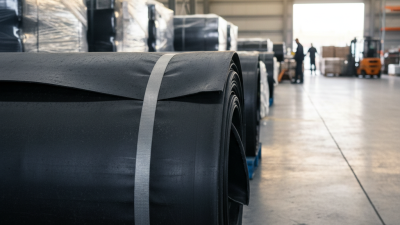
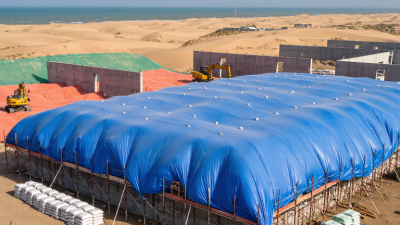
Construction tarps must handle sharp edges, dust, wind, and repeated folding. The 2023 Global Status Report for Buildings and Construction states that buildings created 37% of global energy and process-related emissions in 2022. That scale increases pressure to protect materials and reduce replacement waste. Buyers should compare GSM, tear strength, reinforced hems, and seam performance. A Tarpaulin Fabric Roll with flexible coating can cover scaffolding, sand, timber, and machinery. Still, heavier fabric is not always better. It may become difficult to install safely.
Agricultural use requires a different balance. FAO’s 2019 State of Food and Agriculture estimated that 14% of food is lost between harvest and wholesale. Proper covers can help protect grain, hay, vegetables, and equipment from rain and sunlight. Breathable fabrics suit stored crops, while waterproof PVC-coated fabric suits short-term outdoor protection. Check UV resistance, mildew resistance, eyelet spacing, and cleaning requirements. Field conditions often expose weak assumptions.
Transport tarps face abrasion, wind lift, and frequent loading. UNCTAD reports that over 80% of international merchandise trade by volume moves by sea. Truck and container covers therefore need strong attachment points and stable dimensions. For events, appearance matters more. Select low-wrinkle fabric, consistent color, reliable flame-retardant certification, and clean seams. Venue requirements differ. A supplier’s sample may look excellent, yet fail after one wet season. Testing real fabric before bulk production remains the safer decision.
Representative procurement benchmarks for global buyers comparing fabric tarp requirements across construction, agriculture, transport, and events.
Heavier fabrics generally provide greater tear resistance and durability, while lighter materials are easier to handle and install. Actual specifications depend on coating, weave, climate, exposure time, and project requirements.
A credible fabric tarp scorecard should test more than a supplier’s “waterproof” claim. For Hdpe Fabric Laminated Tarpaulin, request hydrostatic pressure results under ISO 811 or EN 20811. A higher pressure value usually indicates stronger water resistance, but coating thickness, stitching, and seam sealing still matter. Ask for test conditions, not just a certificate.
In practical buyer reviews, 650–900 gsm tarpaulins often receive quotes near US$1.20–US$3.50 per square metre, before freight and customization. These figures vary with resin quality, eyelets, dimensions, and order volume. The cheapest quote can hide weaker hems. I have seen that mistake.
Logistics deserves equal weight. The World Bank’s 2023 Logistics Performance Index compares 139 economies across customs, infrastructure, shipment quality, tracking, and timeliness. Use those factors when checking delivery promises. UNCTAD’s Review of Maritime Transport reports that maritime shipping carries over 80% of global merchandise trade by volume, so port selection can affect risk and lead time. Request a production schedule, carton dimensions, loading photos, and a contingency plan for delays. Support is measurable too: score response time, replacement terms, inspection cooperation, and technical clarity. Some suppliers answer quickly, yet avoid precise test data. That should reduce their score.
Black striped PE tarpaulin fabric is engineered for Africa’s demanding outdoor conditions, where intense sunlight, seasonal downpours, strong winds, and dust can quickly damage ordinary covers. The World Meteorological Organization’s *State of the Climate in Africa 2023* identified 2023 as one of the continent’s three warmest years on record, highlighting the need for reliable weather protection. With double-sided polyethylene coating, this heavy-duty fabric forms a waterproof barrier against torrential rain while its UV-resistant construction helps reduce degradation caused by prolonged solar exposure.
An interwoven grid structure improves tear resistance without making the material excessively rigid, allowing practical use for construction enclosures, truck covers, agricultural storage, and industrial stockpiles. Flame-retardant additives provide an added layer of safety for demanding worksites, while reinforced edges and rust-proof grommets support secure fastening during severe weather. The World Bank’s *Groundswell* report projects that Sub-Saharan Africa could see up to 86 million internal climate migrants by 2050 without effective climate and development measures, increasing pressure on durable temporary shelters, logistics, and storage systems. Custom sizes and wholesale supply options make this tarpaulin suitable for commercial projects requiring dependable all-weather protection.
Request recent test reports, production samples, and batch identification. Photos can hide weak seams. Compare documents with physical samples. No single report describes the whole tarp.
No. GSM measures fabric weight, not complete durability. A lighter tarp may have stronger yarns and better coating. Ask for GSM ranges, coating details, and batch records. Weight alone can mislead.
Confirm the testing method, such as trapezoid or tongue testing. Compare warp and weft results separately. A tarp may tear easily in one direction. Inspect how a small rip travels near stitched holes. This is not laboratory proof.
Ask for exposure time, lamp type, temperature, and inspection results. Controlled ultraviolet testing can reveal weathering weaknesses. Warehouse appearance proves very little. Sunlight changes materials. Check for brittleness after repeated exposure and folding.
Request reports matching the finished tarp, including its coating and mounting method. A reaction-to-fire classification does not automatically prove fire resistance. Installation details may change the result. Wording matters here.
Request hydrostatic pressure results using a recognized test method. Check the test conditions, not just a certificate. Inspect stitching, coating thickness, and sealed seams. A waterproof claim may fail around eyelets.
Inspect edge reinforcement, seam strength, eyelet pull-out, and transport damage. Fold the tarp in cold conditions. Leave it under rain. Check for cracking after repeated handling. Keep photographs and batch records. I would record defects more carefully than strengths.
Compare material quality, customization, order volume, freight, and delivery timing. Typical quotes for heavier tarps may range from US$1.20 to US$3.50 per square metre. These figures are not fixed. Ask for production schedules, carton dimensions, loading photos, and delay plans. Score response speed and technical clarity separately. Fast replies can still avoid precise data.
This guide explains how global buyers can select the right Fabric Tarp for construction, agriculture, transport, and event applications. It introduces the main material options—PE, PVC, and canvas—along with GSM, coating types, waterproof performance, and tear strength. Buyers will also learn how industry benchmarks such as ASTM D751, ISO 4892-3, and EN 13501-1 can support more consistent evaluations of durability, weather resistance, and safety performance.
The article presents a practical framework for comparing ten leading manufacturers without relying on brand promotion. It covers production capacity, certifications, minimum order quantities, lead times, customization, packaging, and logistics support. A global buyer scorecard helps assess each supplier according to application suitability, fabric specifications, pricing, delivery reliability, after-sales communication, and overall value, making it easier to identify a dependable manufacturing partner for specific project requirements.