Picking out the right construction tarpaulin isn't as straightforward as just comparing colors, sizes, or prices advertised online. Sure, a cover that works great in a dry warehouse might totally fall apart once you take it to a seaside building site. Things like wind, rain, dust, sharp edges, UV rays, and the repeated folding and unfolding — those all influence what kind of tarp is actually suitable.
In this guide, I’ve put together ten practical options for buyers around the world. We've looked at stuff like fabric strength, coating quality, waterproof capabilities, how close the eyelets are spaced, seam construction, weight, and how easy it is to repair if needed. All of these details really matter when you're protecting cement bags, scaffolding, machinery, or even unfinished walls. A dependable product should come with clear specs, consistent sizes, and useful technical info. Before placing a big order, it’s smart to ask for samples, test reports, and some behind-the-scenes photos of the manufacturing process — claims from suppliers need to be verified.
From real-world experience, we often find tiny issues pop up. Maybe the eyelets tear first, or seams start leaking after a few storms. Heavy-duty fabrics can also be harder to install safely. No tarp’s perfect, of course — sometimes I want durability, especially for tough environments. Other times, a logistics person might prefer something lighter and easier to handle. It’s important to pay attention to what matters most for your specific needs. Weather conditions in your region, how you'll transport the tarps, installation practices, and how long they'll need to be stored all influence the best choice.
My goal here is to help you make smarter decisions by sharing straightforward comparisons, pointing out the limitations, and asking the right questions for your suppliers. But remember — testing the actual product in your environment is always a good idea. So, for serious projects, make sure you verify that the tarp can handle your specific construction site’s demands.
Understanding Construction Tarpaulins and Their Essential Applications
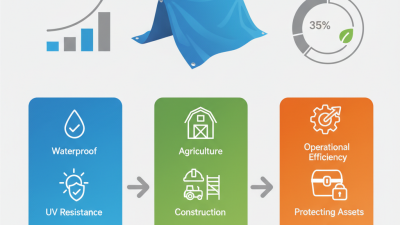
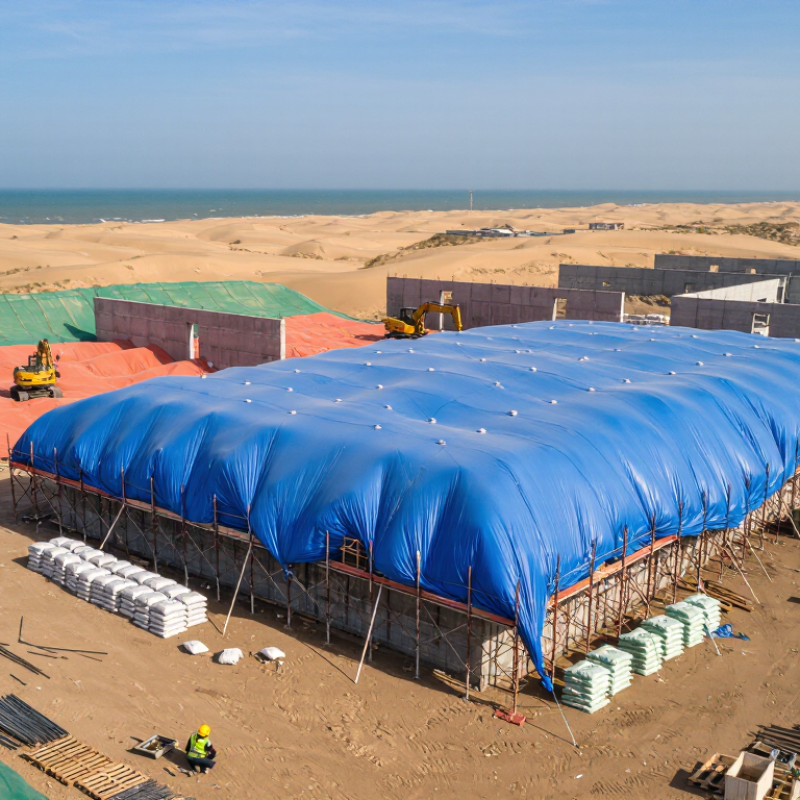
Construction tarpaulins are engineered covers for demanding outdoor work. They protect timber, cement bags, scaffolding, machinery, and temporary storage areas from rain, dust, and sunlight. Unlike lightweight household sheets, they usually combine woven fabric with a waterproof coating. Their value depends on material thickness, tear resistance, edge reinforcement, and secure fastening points.
On busy sites, a well-fitted tarp can reduce moisture damage during overnight storage. I have found that reinforced corners matter most when wind pulls against the cover. Strong grommets, spaced evenly along the hem, help distribute tension. However, thicker material is not always better. It can become difficult to fold, transport, or install safely. Measure the load before choosing.
Key Materials Used in High-Performance Construction Tarpaulins
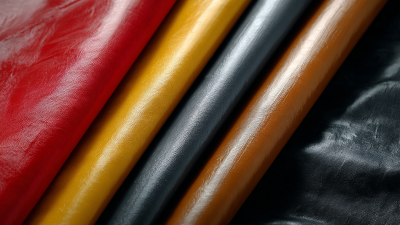
Construction Tarps are judged by their materials before their color or price. Polyethylene is widely used because it is lightweight, water-resistant, and easy to handle around scaffolding. Its woven scrim strengthens the sheet and reduces tearing when wind pulls against the edges. For longer outdoor exposure, buyers should check UV treatment and fabric weight rather than trust appearance alone.
PVC-coated polyester offers a tougher surface for industrial sites. The polyester base provides dimensional stability, while the PVC coating improves abrasion resistance and waterproofing. Heat-welded seams can prevent leakage better than simple stitching. However, a heavy tarp is not automatically better. Excess weight may slow installation and increase stress on eyelets, ropes, and support frames.
Canvas remains useful where breathability matters, especially for temporary covers around timber or equipment that may trap moisture. Cotton canvas feels durable, but it needs careful drying and storage after rain. Synthetic canvas can reduce maintenance, although its coating quality varies. On active sites, I inspect corners, hem reinforcement, and grommet spacing first. These small details often fail before the main fabric. Material labels can also be incomplete, so requesting test data for tear strength, water resistance, and UV performance is a practical safeguard. No single fabric fits every climate, load, or installation method.
10 Best Construction Tarpaulins for Global Buyers: Key Materials Used in High-Performance Tarpaulins
Typical warp-direction tensile strength of common construction-tarpaulin materials, shown in newtons per 5 cm. Higher values generally indicate stronger resistance to pulling forces during covering, transport, and installation.
Values are representative midpoints of commonly specified commercial ranges and may vary by fabric construction, coating weight, weave, and test method. Tensile strength is commonly measured under ISO 1421 or ASTM D5035 procedures.
How to Evaluate Tarpaulin Strength, Waterproofing, and UV Resistance
10 Best Construction Tarpaulins for Global Buyers
How to Evaluate Tarpaulin Strength, Waterproofing, and UV Resistance
For global buyers, construction tarpaulin evaluation starts with the job, not the catalog photograph. A cover over steel pipes needs tear resistance, while a temporary roof needs stable waterproofing under pooled rain. Check fabric weight, weave density, and welded seam quality. Pull a sample by hand, then inspect it after folding and dragging across rough concrete. I have seen heavy sheets fail at eyelets because reinforced corners were treated as an afterthought. Weight alone can mislead.
Strength should be assessed through tear, tensile, and puncture performance. Ask for test methods, sample conditioning, and results from a traceable laboratory. Compare values in consistent units. A tarpaulin can feel thick yet split around a fastener. Look closely. Waterproofing also depends on coating adhesion and seam construction. Spray water across the surface, but do not treat a short test as proof. Longer exposure, pressure, and repeated folding reveal weaknesses that quick demonstrations hide.
UV resistance matters where covers remain outdoors for months. Request accelerated weathering data, including exposure duration and retained tensile strength. Dark colors may absorb more heat, while poor stabilizers can leave plastic brittle and chalky. Touch the material after sun exposure and examine cracks near stress points. This field check is useful, though not scientific. I would record climate, installation tension, and expected service life before comparing prices. A reliable purchase leaves room for uncertainty.
Ten Leading Construction Tarpaulin Types for International Buyers
For international buyers, the right Construction tarpaulin depends on weather, handling, load, and project duration. Ten leading types cover most jobsite needs. Standard woven polyethylene is light and economical for short-term covers. Laminated polyethylene adds smoother surfaces and better water resistance. PVC-coated polyester suits repeated use around steel, concrete, and machinery. Canvas offers breathability, but it needs careful drying after rain. Mesh tarpaulins reduce wind pressure around scaffolding and fences.
Fire-retardant tarpaulins
support safer work zones where sparks may occur. Buyers should request test documents, not trust vague product labels. UV-stabilized sheets perform better under intense sunlight, especially on open roofs. Insulated tarpaulins help shield temperature-sensitive materials during transport or storage. Groundsheet tarpaulins resist abrasion beneath equipment, timber, and stacked supplies. Debris-containment tarpaulins use reinforced edges to control falling dust and fragments. Stitch quality matters more than appearance.
I have seen low-cost covers fail at eyelets after one windy week. Strong webbing and welded seams often prevent that failure. Check fabric weight, coating thickness, tensile strength, and grommet spacing before ordering. Confirm roll dimensions in centimeters and feet. Regional terms can cause costly misunderstandings. No single sheet wins every site. A heavier fabric is not always better; it may increase freight costs and handling strain. I would also inspect a sample in rain, sunlight, and rough contact before approving a large shipment.
Selecting the Right Tarpaulin for Climate, Site, and Project Requirements
Selecting the best construction tarpaulin starts with climate, not color or price. The WMO’s State of the Global Climate 2023 reported a record global temperature, about 1.45°C above pre-industrial levels. Hotter sites demand UV-stabilized polyethylene, reflective surfaces, and ventilation gaps. Humid regions need mildew-resistant fabric and sealed seams. Dry, dusty sites need reinforced hems because grit quickly weakens stitching. Small details matter.
Wind and rainfall change the specification. The IPCC’s Sixth Assessment Report links climate warming with more frequent heavy precipitation events in many regions. Choose a waterproof tarp with welded seams for exposed roofing and material storage.
For windy sites, prioritize reinforced eyelets, short tie-down spacing, and a lower profile. A heavier tarp is not automatically safer. It may create greater wind loading when poorly anchored.
Field inspections often find damage around corners first. Select tarpaulins with webbing reinforcement, abrasion-resistant coatings, and tested tear strength. ASTM D751 offers recognized methods for evaluating coated fabrics, while ISO 4892-3 supports accelerated UV exposure testing. Ask suppliers for test conditions, not vague claims.
A useful purchasing file should record fabric weight, coating type, temperature range, seam method, and warranty limits. I have seen teams choose the cheapest cover, then replace it twice. The calculation looked efficient, but the site evidence disagreed. A practical shortlist of ten products should compare these factors against project duration, storage height, access frequency, and local weather records.
Comparing Tarpaulin Sizes, Weights, Treatments, and Service Life
Choosing the right construction tarpaulin begins with dimensions, not price. A sheet should extend beyond the load by at least 30 centimeters on each side. This extra material improves tie-down security during sudden wind. For scaffolding, concrete protection, and equipment storage, common sizes range from 3 × 4 meters to 6 × 10 meters.
Weight affects handling and service life. Lightweight tarps are easier to install, but strong wind can damage them quickly. A 180–250 GSM fabric often suits temporary covering. Heavier 300–500 GSM tarps offer better abrasion resistance for repeated site use. Look for reinforced hems, rust-resistant eyelets, and tightly woven polyethylene. A Waterproof PE Tarp for Construction should also have UV treatment, waterproof coating, and mildew resistance. Treatment quality varies. Do not assume a shiny surface means long-term protection.
Tips: Check the tarp after every storm. Small tears around eyelets should be repaired immediately. Leave space for airflow when covering damp materials. Trapped moisture can stain steel, soften timber, and encourage mold. Fold the sheet dry, if possible. I have found that careless storage shortens service life more than ordinary site wear. Still, no tarp lasts forever. Stronger fabric may reduce replacement costs, yet it can increase labor during installation. Buyers should compare weight, climate exposure, repair options, and expected reuse before selecting a size.
Global Purchasing Factors: Standards, Packaging, Shipping, and Cost
10 Best Construction Tarpaulins for Global Buyers
Global Purchasing Factors: Standards, Packaging, Shipping, and Cost
Choosing construction tarpaulins requires more than comparing prices. Buyers should check fabric composition, GSM, tensile strength, tear resistance, UV stability, and waterproof performance. Standards differ by destination, so request current test reports and material specifications before placing an order. A sample inspection can reveal weak eyelets, uneven coating, or poor stitching. These small defects become expensive on large projects.
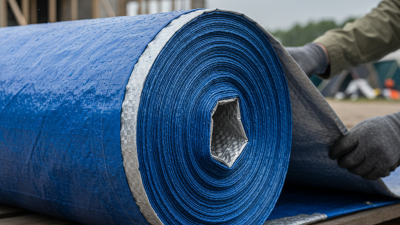
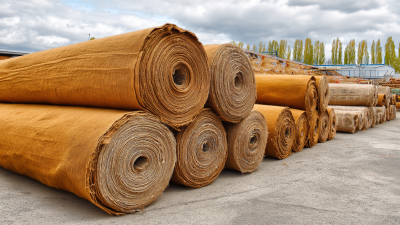
Packaging affects both protection and freight cost. Rolls should use moisture-resistant wrapping, strong cores, and clear labels showing size, quantity, and batch information. Pallets need stable stacking without crushed edges. Shipping calculations should include gross weight, package volume, port charges, insurance, and import duties. A low unit price may become costly after delivery. I still see buyers overlook this landed-cost calculation.
Tips: Ask for a pre-shipment inspection, not only production photos. Confirm folded dimensions before booking a container. Compare at least two shipping routes and request the same trade terms. Keep written approval samples for future orders.
Cost control should not remove essential performance. Thinner tarpaulins may reduce freight weight, but they can tear faster under wind or repeated handling. It is wiser to match GSM and coating quality with the job environment. A basic outdoor cover needs different protection from a long-term scaffolding enclosure. Specifications are sometimes unclear, and that deserves a second review.
Blue Orange PE Tarpaulin: A Waterproof Construction Solution for Reliable All-Weather Protection
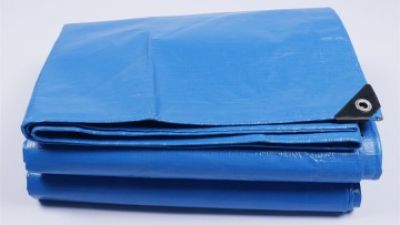
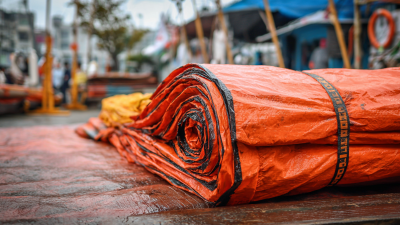
Blue/orange PE tarpaulin provides a practical waterproof construction solution for reliable all-weather protection. Its highly visible two-tone design helps improve site organization and makes covered materials easier to identify, while the polyethylene fabric forms a durable barrier against rain, wind, moisture, and everyday outdoor exposure. It is suitable for protecting building supplies, machinery, temporary work areas, vehicles, and outdoor equipment in changing weather conditions.
Available in a range of thicknesses and strengths, this tarpaulin can support both commercial and industrial applications. Sheets are convenient for quick coverage, while rolls allow users to cut flexible lengths for larger or customized projects. The material is lightweight, easy to handle, and economical for repeated use. Depending on project requirements, additional fabric options such as vinyl, canvas, clear vinyl, camouflage, neoprene, and specialized heat-resistant materials can provide further protection against chemicals, high temperatures, or demanding work environments. For construction sites, storage areas, transport needs, and general outdoor use, blue/orange PE tarpaulin offers dependable coverage with adaptable sizing and performance.
FAQS
They cover timber, cement bags, scaffolding, machinery, and temporary storage areas. They block rain, dust, and sunlight. A fitted cover can reduce overnight moisture damage.
Woven polyethylene is lightweight, water-resistant, and easy to handle. PVC-coated polyester offers stronger abrasion resistance and dimensional stability. Canvas allows better breathability but needs careful drying after rain.
Not necessarily. Thicker material may resist tearing, but it can become heavy and difficult to install. It may also increase stress on ropes, eyelets, and support frames. Measure the load before choosing.
Ask for tear, tensile, and puncture test results. Check the testing method and measurement units. Fold a sample, drag it across rough concrete, and inspect the surface. A thick sheet can still split near a fastener.
Waterproofing depends on the coating, seam construction, and coating adhesion. Heat-welded seams often reduce leakage better than basic stitching. Spraying water helps, but a short test proves little. Long exposure reveals more.
Wind pulls strongly against corners and edges. Reinforced corners distribute tension and reduce local tearing. Evenly spaced grommets help secure the hem without creating weak points. Small details matter.
UV resistance matters when a tarp stays outdoors for several months. Request weathering data and retained tensile strength results. Sunlight can make plastic brittle, chalky, and cracked. Inspect stress points after hot weather.
Leave space for drainage so rain does not form heavy pools. Keep the cover away from sharp edges and rough contact points. Secure it evenly, without excessive tension. I may still miss hidden damage, so inspect it after severe weather.
Request fabric weight, coating type, seam details, UV data, and grommet spacing. Ask for samples when possible. Compare expected service life with the installation environment. Catalog photos can mislead.
Conclusion
This guide explains how Construction Tarpaulin supports modern building projects by protecting materials, equipment, work areas, and temporary structures from rain, wind, dust, sunlight, and other environmental conditions. It reviews common materials such as coated fabrics, reinforced polyethylene, and laminated textiles, while showing buyers how to assess tensile strength, tear resistance, waterproofing, UV stability, flexibility, and service life. The article also presents ten practical tarpaulin types suited to covering, containment, scaffolding, transport, and site protection needs.
For international buyers, selecting the right tarpaulin depends on climate, project duration, installation conditions, size, weight, fabric treatment, and expected reuse. The guide compares product specifications and highlights important purchasing considerations, including quality standards, inspection requirements, folding and packaging methods, shipping efficiency, total cost, and supplier communication. By balancing performance, durability, and logistical requirements, buyers can choose reliable construction coverings that provide effective protection while supporting safe, efficient, and cost-conscious project operations.


 Wanggou Industrial Park,Lanshan District, Linyi City, Shandong Province, China