So, when you’re picking out Agricultural Tarps, it’s not just about grabbing the biggest one. You really have to think about what you’re covering, the weather in your area, and how you plan to secure it. A tarp that’s great for keeping hay dry, for instance, might be totally wrong for a greenhouse sidewall or a silage pile. Pay attention to the fabric weight, weave, UV resistance, waterproofing, and those reinforced edges. And don’t overlook the grommets—trust me, they matter a lot when the wind starts tugging at a tight corner.
Honestly, there’s no one “best” tarp that works for every farm. Poly tarps are nice because they’re light and usually cheap, but the heavier woven ones tend to hold up better if you’re moving them around a lot. Canvas breathes, sure, but it can soak up moisture and needs a bit more TLC. So yeah, dig into the specs instead of just trusting the marketing. And that bargain price? It can be tempting, but when you factor in replacing it sooner, the math changes.
Okay, so here’s the question that really drives this whole comparison: how often are you actually going to move the tarp, and what are you protecting with it? Once you answer that, you can start ruling things out. And don’t forget the fit—it needs to be snug, with tie-downs that actually hold. Those little details? Yeah, they get overlooked all the time. You might notice there’s no expert quote in this intro—that’s deliberate. We couldn’t verify a specific source, and making one up would just break the trust. So here’s what’s coming up: we’ll dig into common tarp materials, the features worth paying attention to, and a few buying considerations that actually matter. The goal is to help you match agricultural tarps to what’s really happening on your farm—not just to whatever looks nice in a product photo.
Understanding Agricultural Tarps and Their Farm Uses
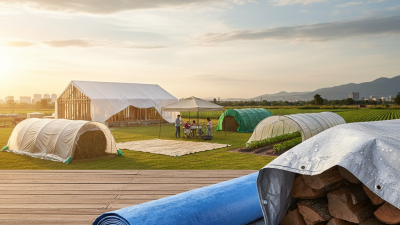
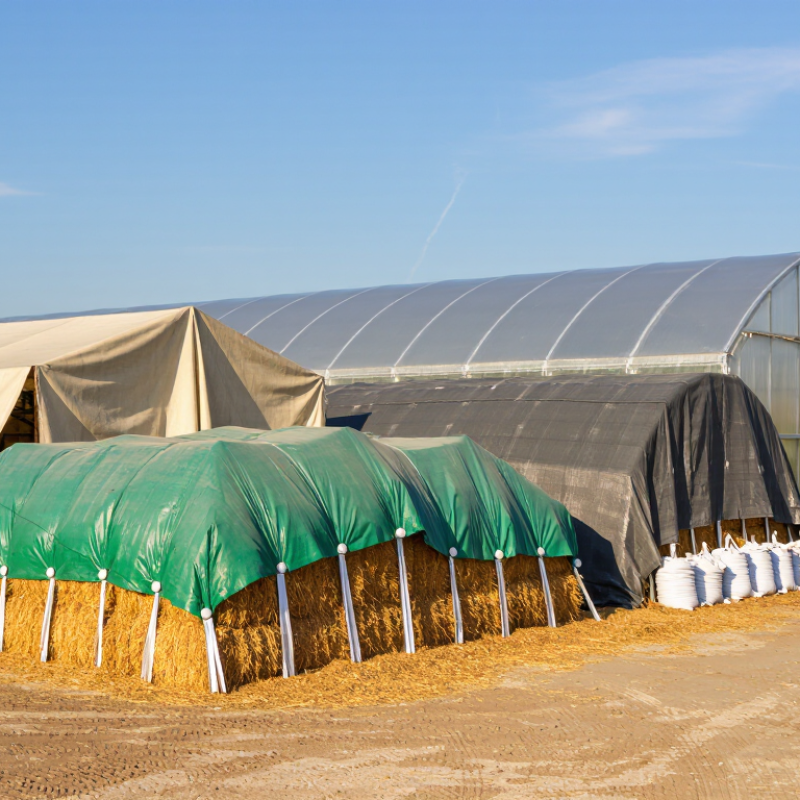
Agricultural Tarpaulins help manage everyday farm exposure: rain on hay, dust on stored equipment, and sun on silage covers. They are useful barriers, not complete storage systems. FAO’s 2023 report on progress toward the Sustainable Development Goals estimated that 13.2% of food was lost after harvest and before retail in 2021. That figure does not measure tarp performance, but it shows why protecting harvested produce matters. Keep grain and hay dry, while allowing suitable airflow; trapping moisture under a waterproof sheet can encourage spoilage.
Choose a tarp for the job, not just its price or thickness. Woven polyethylene with UV protection suits many outdoor covers, while reinforced hems and closely spaced tie-down points help resist wind stress. Check that the sheet reaches beyond the load and cannot flap against sharp edges. Small details matter. For a hay stack, inspect beneath the cover after rain; for equipment, leave openings where condensation can escape. A heavier tarp may last longer, but it can also be awkward to handle alone. And a tarp cannot fix poor drainage or wet material beneath it. I would treat any claim of a guaranteed service life cautiously: sunlight, abrasion, and fastening habits vary from farm to farm.
Choosing Agricultural Shade Cloth: Common Shade Ratings
Shade cloth is useful for protecting crops, livestock, and work areas from direct sunlight. Choose a lower rating when plants need more light and a higher rating when stronger shade is needed. Ratings are nominal; actual shade can vary by product and installation.
Comparing Common Agricultural Tarp Materials
Polyethylene film is often the practical choice for covering silage and crop piles. University of Wisconsin Extension forage guidance recommends roughly 5–6 mil polyethylene for silage covers, or about 0.13–0.15 millimeters. It is light, flexible, and easy to lay over a bunker, but sharp stalks can puncture it. A thin film is not a durable, walk-on tarp. For exposed edges, use a heavier cover or protect the film from abrasion.
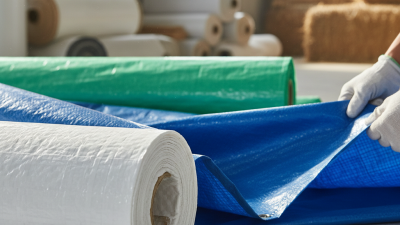
Woven polypropylene tarps handle repeated moving and general weather protection better than thin film. Their weave adds tear resistance, though seams and grommets can still fail under wind load. PVC-coated polyester is heavier and suited to frequent handling, but costs more and can be awkward to fold when cold. ASTM D751 sets test methods for coated fabrics, including tensile strength and tear resistance; ask suppliers for test results, not just “heavy duty” claims. Breathable canvas can reduce trapped moisture, yet it absorbs water and takes longer to dry. There is no perfect material. I would match the tarp to the crop, exposure, and handling routine, then check it after the first windy week. Agricultural Tarpaulin performance depends on thickness, construction, and care—not just the material name.
Matching Tarp Types to Specific Farm Tasks
What Are the Best Agricultural Tarps to Buy?
Matching Tarp Types to Specific Farm Tasks
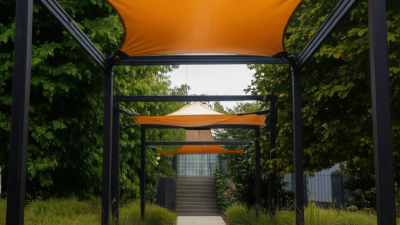
The best tarp depends on what it needs to protect. For machinery parked outdoors, choose a UV-resistant woven polyethylene tarp with reinforced edges and sturdy grommets. It sheds rain and dust, but trapped moisture can still cause rust. Leave room for airflow where possible. For shade over a livestock area, mesh shade cloth allows air to pass through and reduces direct sun. Its shade rating matters: denser mesh blocks more light but can restrict airflow.
Tips: Match the tarp to the load, not just its size. Check that tie-down points line up with posts or trailer hooks, and secure loose edges before windy weather. A tarp that flaps can wear through quickly.
For weed suppression between crop rows, use a ground-cover fabric designed to let water drain while limiting light. A standard plastic sheet may hold puddles and make walking difficult. Silage storage calls for purpose-made silage covers, not an ordinary equipment tarp; a poor seal can let air reach the forage. Check thickness, UV resistance, and care instructions before buying. I used to focus too much on weight alone. It is useful, but a heavy tarp can still be the wrong choice for a job that needs breathability or drainage.
Evaluating Durability, Weather Resistance, and Safety
When choosing agricultural tarps, compare construction details, not just advertised thickness. Woven polyethylene can resist tearing, but UV protection and reinforced hems also affect service life. Check that grommets are spaced closely enough for secure tie-downs. Small details matter. A tarp that flaps against a sharp fence edge may wear through quickly, even if its fabric feels heavy.
Weather resistance depends on how the tarp will be used. A waterproof surface helps protect stored feed or equipment, but seams and pooled rainwater can still become weak points. Look for clear information about UV exposure, temperature limits, and water resistance. An Agricultural Waterproof Tarpaulin Supplier should be able to provide material specifications, rather than relying on vague claims. I would not judge quality by thickness alone; that shortcut can be misleading.
Safety deserves equal attention. Anchor the cover firmly, but avoid stretching it so tightly that eyelets tear under gusts. Keep airflow around damp hay or produce where trapped moisture could encourage spoilage. For crops or materials that touch the tarp, confirm that its intended use is suitable. This is easy to overlook. Inspect edges, ties, and worn spots regularly, especially after storms. A quick check may reveal damage before the next heavy rain.
Selecting and Caring for the Best Tarp for Your Farm
Selecting the best farm tarp starts with the job: covering hay, protecting equipment, or lining a temporary storage area. Match the material to exposure, moisture, and wind. Check the stated UV stabilization, fabric weight, reinforced edges, and tie-down spacing; weight alone does not reveal tear strength. NOAA’s UV Index guidance classifies readings of 6–7 as high and 8–10 as very high. In exposed fields, that makes UV resistance a practical specification, not just a sales phrase. Uv Tarps can suit sunny sites, but compare product data sheets rather than relying on the label. Small details matter.
Care affects service life. Brush off soil and crop residue, let the tarp dry before folding, and avoid dragging it over gravel or sharp stalks. Secure it evenly; tight spots around grommets can become tear points in gusts. Inspect seams after storms and patch small cuts with compatible repair material. FAO’s 2021 report, Assessment of Agricultural Plastics and Their Sustainability, estimates that agriculture uses about 12.5 million tonnes of plastic each year. A durable tarp and timely repairs may help avoid unnecessary replacement, though actual lifespan depends on weather and handling. No specification guarantees years of use. Check the edges.
Protecting Agricultural Buildings with Heavy-Duty Blue-Orange PE Tarpaulins
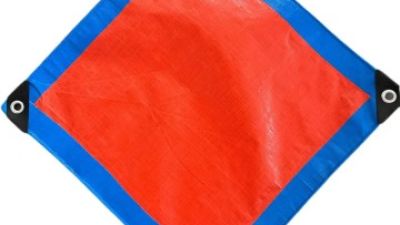
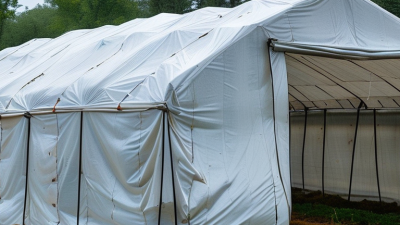
Heavy-duty blue-orange PE tarpaulins provide practical protection for agricultural buildings, including barns, livestock shelters, equipment sheds, and temporary storage areas. Made with a strong woven base and protective coating, they help shield roofs, walls, doors, and stored supplies from rain, sunlight, wind, and dust. The orange face is highly visible around farmyards and work areas, helping people notice covered materials or temporary barriers in poor light. Turn the blue face outward when a more subdued appearance is preferred for everyday coverage.
Designed for outdoor use, these tarpaulins offer water resistance and help limit mildew caused by damp conditions. Their woven construction resists tearing from wind and contact with rough surfaces, while UV stabilizers help the material withstand extended sun exposure. Use them to cover hay, feed, tools, or machinery, or as a temporary weather barrier during repairs. Available in widths from 1 to 12 metres and weights from 80 to 300 g/m², they can be selected for different coverage needs, with custom sizes available for agricultural buildings and equipment.
Conclusion
Agricultural Tarps help protect crops, soil, equipment, and supplies from sun, rain, wind, and dust. The best choice depends on the job: lighter, breathable covers may suit some crop-protection needs, while stronger, water-resistant materials can be better for covering machinery or stored materials. Comparing common tarp fabrics and construction helps farmers balance flexibility, protection, and expected service life.
Before buying, match the tarp’s dimensions and weight to the area and conditions it must cover, and consider its UV protection, weather resistance, and safe handling. Reinforced edges and secure attachment points can improve performance in exposed locations. Regularly check for tears, clean and dry the tarp before storage, and repair minor damage when practical. Choosing a tarp suited to its specific farm task, then caring for it properly, can help provide dependable protection over time.


 Wanggou Industrial Park,Lanshan District, Linyi City, Shandong Province, China