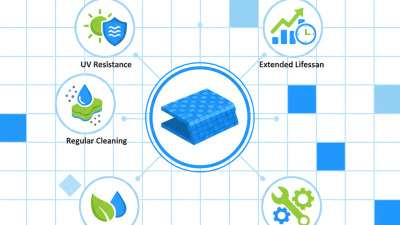
PVC tarps have really taken off these days for outdoor projects — and it’s not hard to see why. They're super durable and versatile, which makes them a go-to choice for so many people. I read somewhere that, according to Grand View Research, the global tarpaulin market is expected to hit around $3.8 billion by 2027. Wow, that’s a huge number! It just shows how much the demand for quality outdoor gear is growing.
Using PVC tarps comes with quite a few perks, too. They're waterproof, resistant to UV rays, and tough against tears — which means they’re perfect for all kinds of uses. For example, on construction sites, you'll often spot Tarp Pvc covers protecting machinery and materials from bad weather. Many contractors say they've been able to keep their projects on track much better thanks to these covers preventing damage from the elements.
Now, I’d be lying if I said there aren’t some environmental concerns. The manufacturing process isn’t perfect and needs to be handled carefully. That said, when you look at the big picture — how easy they are to maintain and how long they last — most folks agree that their benefits definitely outweigh the potential downsides. Finding that right balance is what really helps outdoor projects turn out successful, after all.
Definition and Overview of PVC Tarps
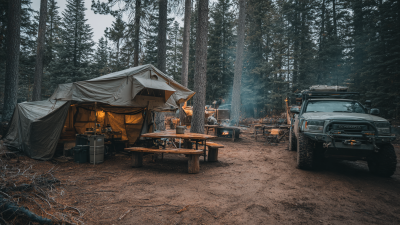
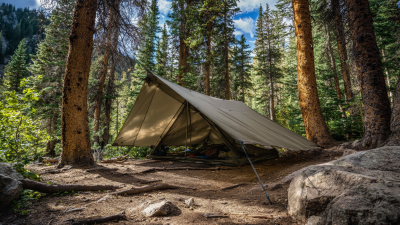
PVC tarps, or polyvinyl chloride tarpaulins, are versatile materials widely used for outdoor projects. Made from synthetic plastic, they are durable and water-resistant. Their thickness varies, usually ranging from 15 to 30 mils. This adaptability makes PVC tarps suitable for various applications, from covering vehicles to creating temporary shelters.
These tarps come in a range of colors and sizes. Their tough surface resists UV rays and mildew, adding to their longevity. However, one must be cautious; PVC can become brittle in extremely cold conditions. It is also not biodegradable, presenting environmental concerns. Balancing functionality with sustainability can be challenging for users. Despite these flaws, many still find PVC tarps invaluable for their strength and low maintenance.
Using PVC tarps means understanding their limits. They can tear if subjected to sharp objects. Choosing the right thickness is crucial for different tasks. Whether used for construction sites or backyard projects, being aware of these factors can lead to better outcomes. PVC tarps have a lot to offer, but one should remain mindful of their environmental impact.
Key Properties of PVC Tarps That Enhance Durability
When considering materials for outdoor projects, Pvc Tarps stand out. Their exceptional durability is a major advantage. These tarps resist UV rays, preventing damage from the sun. This resistance means a longer lifespan, even in harsh weather. Rain or shine, the PVC tarp endures, making it ideal for various outdoor tasks.
Another key property is their water resistance. PVC tarps keep contents dry, which is crucial for protecting equipment or supplies. They are also easy to clean. A simple rinse can rejuvenate the fabric. This maintenance is often overlooked, leaving some tarps dirty and less effective over time.
It’s important to note that while PVC tarps are sturdy, they can be heavy. This weight may complicate setup and transportation. Some users might struggle with securing them in windy conditions. Recognizing these challenges is crucial for effective use, ensuring that the PVC tarp meets project needs without added complications.
Applications of PVC Tarps in Various Outdoor Projects
PVC tarps are incredibly versatile for outdoor projects, fitting a range of needs. These heavy-duty materials are known for their durability and weather resistance. For instance, a study from the Outdoor Industry Association reports that 70% of outdoor enthusiasts frequently use tarp covers for camping and hiking gear protection. These tarps repel rain and can withstand UV rays, making them ideal for long-term outdoor use.
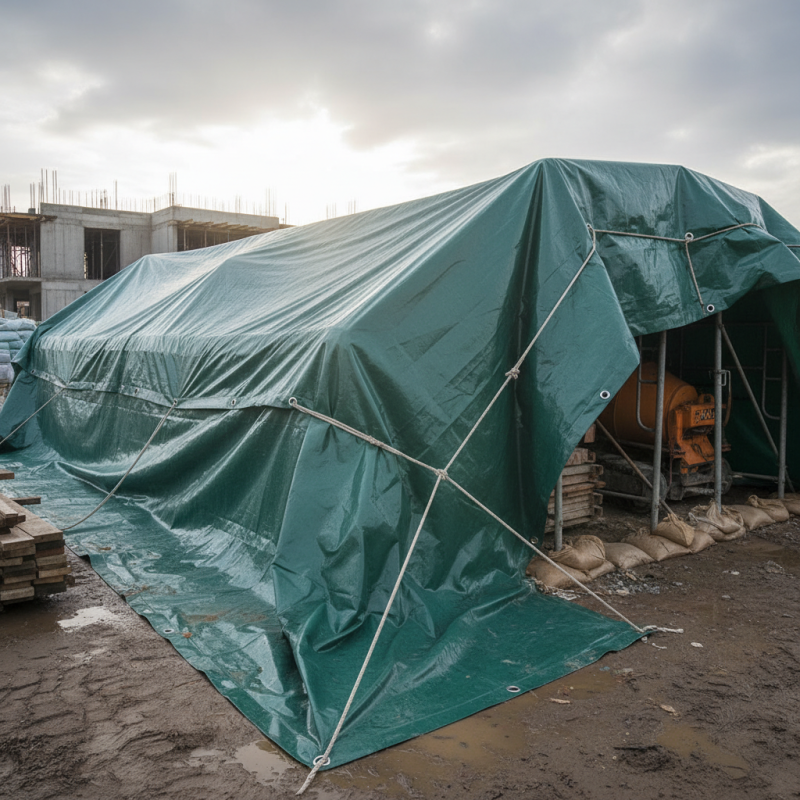
In construction, PVC tarps serve well as protective barriers at worksites. They can shield materials from environmental elements, thus reducing damage. Recent surveys indicate that over 80% of contractors prefer using PVC tarps for their projects, citing easy transportation and quick setup. Additionally, their customizable sizes make them suitable for various applications, from covering equipment to creating temporary shelters.
However, it’s important to consider some drawbacks. While PVC tarps are strong, they can suffer from wear and tear over time. Proper care is essential to prolong their life span. Also, improper storage can lead to mold growth, which is not easily removed. Therefore, users should be mindful of their maintenance practices to ensure optimal performance in outdoor projects.
Benefits of Weather Resistance in PVC Tarps
When considering outdoor projects, the choice of materials is crucial. PVC tarps stand out due to their weather resistance. These tarps are designed to endure harsh conditions. Rain, sun, and wind pose challenges, but a Waterproof Pvc Tarp effectively combats these elements. They remain resilient under different temperatures, making them ideal for various climates.
The weather resistance of PVC tarps ensures that your outdoor activities aren’t compromised. Even in heavy rain, items covered with these tarps stay dry. They offer protection from UV rays, preventing fading and degradation of surfaces. However, some users may overlook the importance of proper installation. A poorly secured tarp can still allow moisture to seep through. Attention to detail is key.
Using PVC tarps can also reduce maintenance efforts for outdoor gear, keeping it in good condition longer. Yet, investing in quality tarps means assessing their durability regularly. Users might find that even the best tarps need replacements over time. This reality encourages continuous evaluation of your equipment, ensuring it meets your needs. Ultimately, the choice of a waterproof PVC tarp could significantly enhance the longevity of your outdoor projects.
How PVC Tarps Offer UV Protection for Outdoor Use
PVC tarps are an excellent choice for outdoor projects, especially when it comes to UV protection. The material is highly durable and can withstand harsh sunlight. Exposure to UV rays can damage other materials, leading to costly replacements.
Heavy Duty Pvc Tarp acts as a shield, prolonging the life of your equipment and supplies.
These tarps are designed to block a significant portion of harmful UV rays. For instance, if you cover a wooden structure, the tarp prevents cracking and fading. This simple addition may seem trivial, yet it offers crucial protection. Investing in a quality tarp now can save money long-term.
However, not all PVC tarps are created equal. Some may not provide the promised UV protection. It's essential to check specifications before purchasing. There is a balance between cost and quality. A cheaper tarp might not withstand the elements as well as a heavier-duty option. Therefore, careful consideration is key when selecting your outdoor protection.
Cost-Effectiveness of Using PVC Tarps for Projects
Cost-effectiveness is a major advantage of using PVC tarps for outdoor projects. These tarps are highly durable and long-lasting. According to industry reports, Pvc Tarpaulin can last up to five years under harsh conditions. This longevity reduces the need for frequent replacements. Less frequent purchases translate into lower long-term costs.
Labor costs also play a significant role. Utilizing PVC tarpaulin can minimize the need for additional support structures. They provide excellent protection against UV rays, water, and wind. A study from the Tarpaulin Industry Association indicated that protective materials like PVC can cut damage and maintenance expenses by up to 30%. However, some may overlook these savings. It's crucial to consider the upfront cost in the context of future expenses.
While the initial investment in PVC tarpaulin may seem high, the return on investment is often significant. Some may question the quality, yet, many projects benefit from using these tarps. They are versatile and can be used in various applications, from construction sites to camping. Reflecting on these aspects helps in making informed decisions.
Benefits of Using PVC Tarps for Outdoor Projects
| Benefit |
Description |
Cost-Effectiveness |
| Durability |
PVC tarps are resistant to weather conditions, UV rays, tearing, and abrasion. |
Long lifespan reduces the need for frequent replacements, saving money. |
| Waterproof |
They provide excellent protection against rain and moisture. |
Minimizes potential damage costs associated with water exposure. |
| Versatility |
Suitable for a variety of applications from covering equipment to creating shelters. |
Can be used across multiple projects, ensuring value for investment. |
| Easy to Clean |
Simply wash with soap and water to maintain appearance and functionality. |
Reduced maintenance efforts translate into cost savings. |
| Lightweight |
Easy to transport and handle compared to heavier materials. |
Lowers shipping costs and labor involved in moving materials. |
Maintenance Tips for Ensuring Longevity of PVC Tarps
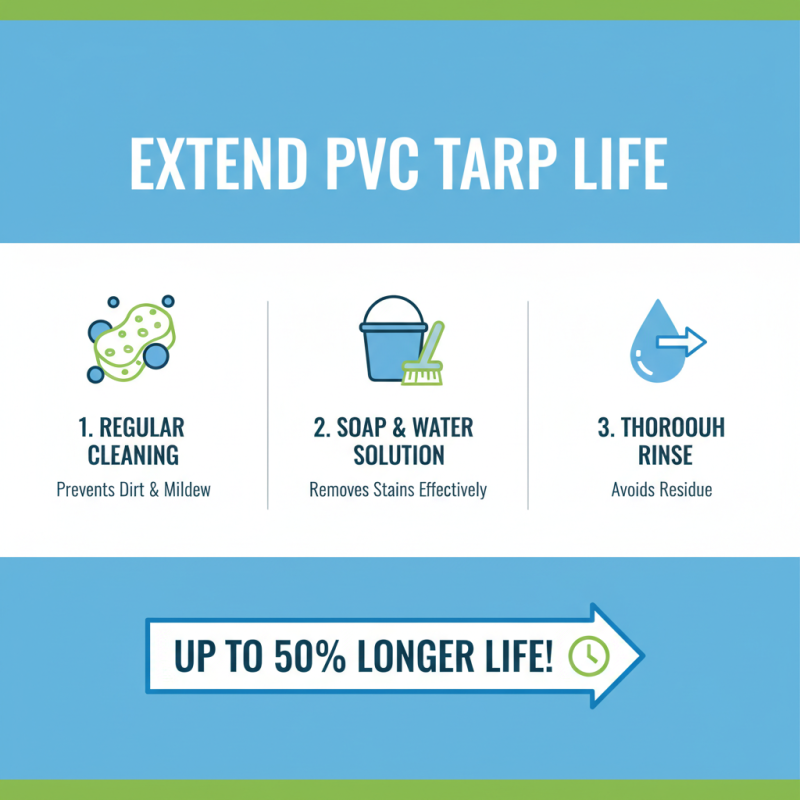
To ensure the longevity of PVC tarps, proper maintenance is crucial. Regular cleaning helps prevent dirt buildup and mildew growth. A simple solution of soap and water can effectively remove stains. Research indicates that regular maintenance can extend the tarp's life by up to 50%. Make sure to rinse thoroughly after cleaning to avoid residue.
Storage is equally important. When not in use, store PVC tarps in a cool, dry place. Avoid folding them in the same spot repeatedly, as this can weaken the fabric over time. Instead, roll them loosely. A study shows that improperly stored tarps can lose up to 30% of their strength in just a few months.
Inspect tarps regularly for signs of wear and tear. Small holes or frays can develop, even with careful use. Addressing these issues promptly can prevent larger problems. A patch kit can offer a quick fix and is worth having on hand. Keeping an eye on the condition of your tarp can save money and time in the long run.
FAQS
: The program aims to enhance skills and knowledge in various fields.
Anyone interested in learning can join. There are no strict requirements.
The duration varies, typically lasting a few weeks to several months.
Participation may involve a fee, but some options are free.
Mentoring and resources are provided to assist learning.
Yes, networking opportunities are available. Connections are encouraged.
Sessions may be recorded, but it's better to attend live.
Some programs include assessments, while others are more flexible.
Feedback is welcomed to help improve the experience.
Time management and engagement might be difficult. Reflection is key.
Conclusion
PVC tarps are versatile and durable solutions for a variety of outdoor projects. Known for their robust properties, PVC tarps resist weather conditions, offering significant benefits such as waterproofing and UV protection. Their durability ensures they withstand harsh environments, making them ideal for uses ranging from temporary shelters to truck covers.
Moreover, PVC tarps are cost-effective, providing long-term savings compared to other materials. Regular maintenance, such as cleaning and proper storage, can enhance their longevity, ensuring they continue to perform well over time. By incorporating PVC tarps into your outdoor projects, you can benefit from their strength, resilience, and protective features, making them a smart choice for anyone looking to tackle outdoor tasks.


 Wanggou Industrial Park,Lanshan District, Linyi City, Shandong Province, China