Looking for a durable and versatile solution? You might want to check out a Polyurethane Tarp. Honestly, these things are pretty great because they can handle all kinds of situations — whether you're working on a construction site, doing some farming, or just enjoying outdoor adventures. They’re water-resistant and UV-resistant too, making them perfect for tougher environments.
Using a Polyurethane Tarp can really make a difference in protecting your project. Imagine a sudden downpour hitting your work site — a good, reliable tarp can keep everything dry and prevent your materials from getting ruined. Plus, they're lightweight, so handling and setting them up isn’t a hassle at all.
Of course, it’s worth keeping in mind that not all tarps are built the same. Some might struggle in extreme temperatures or wear out faster than you’d like. So, it’s a good idea to go for quality options and think about what you really need. That way, you’ll end up with a tarp that genuinely does the job and protects your stuff just like you want it to.

Advantages of Polyurethane Tarps in Various Applications
Polyurethane tarps offer numerous advantages across various applications. They are known for their strength and durability, making them an ideal choice for outdoor use. According to industry studies, polyurethane tarps have an impressive tear strength, which significantly outperforms traditional materials. This quality is particularly useful in construction sites where heavy loads are common.
In agriculture, these tarps provide excellent weather resistance. They can withstand harsh elements, ensuring crops remain protected. A report from the Agricultural Tarp Association indicates that using polyurethane tarps can reduce crop loss by up to 30%. Additionally, their lightweight nature makes transporting and handling easier for farmers.
Tips: Regular maintenance is key. Clean your tarps regularly to prolong their lifespan. Also, ensure proper storage to avoid unnecessary wear and tear. Choose the right thickness based on your specific needs. Thicker tarps offer more protection but may be harder to handle.
While their advantages are clear, there are challenges. Polyurethane tarps can be more expensive than other options, which may be a barrier for some users. Understanding your requirements can help in making an informed decision. The investment may pay off in durability and performance over time.
Durability of Polyurethane Tarps Compared to Other Materials
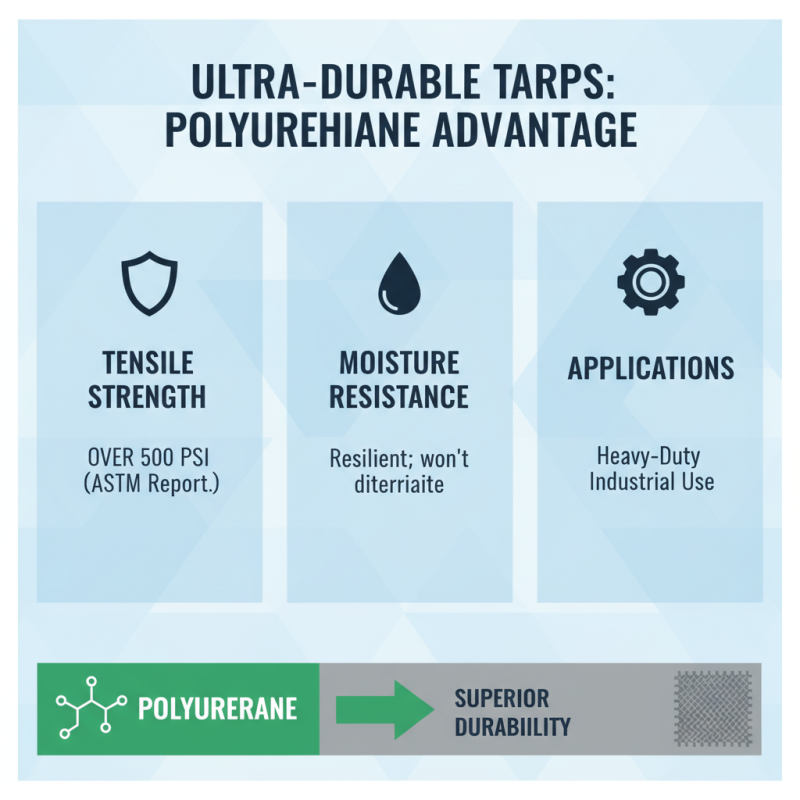
Polyurethane tarps offer exceptional durability, especially when compared to other materials like vinyl and canvas. A Industry report from the American Society of Testing and Materials indicates that polyurethane has a tensile strength of over 500 PSI, making it a leading choice for heavy-duty applications. Unlike canvas, which can deteriorate in moisture, polyurethane remains resilient in wet conditions.
Users often note that the lifespan of a polyurethane tarp is significantly longer. In fact, studies show they can last up to 30% longer than traditional tarps. This makes them ideal for construction sites or outdoor events where weather unpredictability is a concern. The waterproof feature ensures that equipment and materials stay dry.
Tips: Ensure proper storage to maximize the tarp's lifespan. Avoid leaving it exposed to direct sunlight for extended periods. When using a 30 Tarp, regularly inspect it for wear and tear to address any damages early. This proactive approach can save costs in the long run. Remember, while polyurethane is durable, neglect can lead to premature degradation.
Water Resistance and Protection Against Weather Elements
When it comes to protecting your belongings, polyurethane tarps are a fantastic choice. Their water resistance makes them ideal for various weather conditions. Rain, snow, or intense sunlight won't affect what's underneath. Imagine a 6m Tarp covering your outdoor equipment, keeping it dry and safe. The tarp acts like a shield, guarding against damaging weather elements.
Tips: Regular checks can help maintain the tarp's integrity. Look for any signs of wear. Small rips can lead to bigger problems if ignored. Address them promptly to prolong the tarp's lifespan.
Polyurethane tarps also resist mold and mildew, ensuring that your items remain clean. This feature is particularly beneficial during humid months. However, improper storage can lead to damage. Avoid leaving the tarp bunched up in a wet area. Instead, store it in a cool, dry place when not in use. Using the right tarp could save you money on replacements and ensure lasting protection.
Top 10 Benefits of Using Polyurethane Tarps for Your Needs
| Benefit |
Description |
| Water Resistance |
Polyurethane tarps provide superior water resistance, protecting items from moisture damage. |
| Durability |
These tarps are tough and can withstand heavy wear and tear, making them long-lasting. |
| UV Protection |
Polyurethane materials offer excellent resistance to UV rays, preventing degradation from sun exposure. |
| Lightweight |
They are lighter than traditional tarps, making them easy to handle and transport. |
| Versatile Uses |
Ideal for various applications including camping, construction, and agriculture. |
| Easy to Clean |
They can be quickly wiped down or hosed off, maintaining cleanliness. |
| Cost-Effective |
Their durability and resistance properties offer great value for the price. |
| Mildew Resistance |
Polyurethane tarps resist mildew growth, keeping them safe for long-term storage. |
| Color Variety |
Available in multiple colors, allowing for aesthetic choices in various settings. |
| Reinforced Edges |
Reinforced hems increase tear resistance and overall strength, enhancing performance. |
Lightweight Nature of Polyurethane Tarps for Easier Handling
Polyurethane tarps are gaining popularity due to their lightweight nature. This feature makes handling much easier than traditional tarps. A standard polyurethane tarp can be rolled up with minimal effort. You can lift it single-handedly, reducing strain on your back. This convenience is significant for outdoor activities. Moving tarps for camping or construction work becomes a hassle-free task.
Besides ease of handling, polyurethane tarps are versatile. They serve multiple purposes, from covering loads to providing shelter. Their flexibility allows you to use them in various situations. But, not every tarp is suitable for every need. Consider the weather conditions and the strength required. Sometimes, a 20 Tarp may not provide enough coverage, leading to unexpected challenges. Additionally, while they are lightweight, users should be cautious about durability in extreme conditions.
Choosing the right tarp involves careful thought. While polyurethane tarps excel in portability, they may lack in weight capacity. Balancing performance and convenience is vital. Reflect on your specific needs. In the end, mastering the usage of tarps can lead to better experiences.
Versatility of Polyurethane Tarps for Industrial and Personal Use
Polyurethane tarps are increasingly popular in various industries and personal applications. Their versatility makes them suitable for diverse environments. Reports show that the tarp market is projected to grow by 4.5% annually. They can withstand harsh weather conditions, making them ideal for both commercial and residential needs.
In industrial settings, polyurethane tarps offer excellent durability. They resist tearing, puncturing, and abrasion. This longevity reduces replacement costs. For example, a study found that polyurethane tarps can last up to five years longer than standard materials in heavy-use scenarios. This advantage leads to significant savings over time.
For personal use, these tarps are equally beneficial. They can be used for camping, outdoor events, or even covering vehicles. Their lightweight nature makes them easy to transport.
Tip: When selecting a tarp, consider its thickness and weigh the options based on your needs. A thicker tarp offers better protection but may be heavier.
Another effective use is in agriculture. Many farmers rely on polyurethane tarps to cover crops and equipment. This protection helps extend the life of essential farming tools.
Tip: Regularly check your tarp for wear and tear. Proactive maintenance can prevent costly replacements later.
Cost-Effectiveness of Polyurethane Tarps in Long-Term Use
Polyurethane tarps offer significant cost-effectiveness in the long run. These tarps resist wear and tear, providing durability. While they may cost more upfront than traditional options, their longevity pays off. You won’t need to replace them frequently. If you’re using a Tarp 4x6, the savings can be considerable over time. This investment protects your items well.
Many users overlook the importance of proper care. Maintaining your polyurethane tarp ensures it lasts. A bit of cleaning after use can prevent damage. If neglected, it might degrade faster than expected. The initial savings can quickly dwindle if proper care isn’t taken. You must balance cost and longevity. It’s essential to think about how you’ll use your tarp. Will it face harsh conditions or be stored away?
In the end, it’s about finding value. Consider the applications thoroughly. The choices we make reflect our needs. Polyurethane tarps, while sturdy, require attention. Reflecting on these aspects can lead to more informed decisions for your projects.
Top 10 Benefits of Using Polyurethane Tarps
Polyurethane tarps offer numerous benefits, making them an excellent choice for various applications. This chart illustrates the key advantages, rated on a scale from 1 to 10, showcasing their durability, resistance properties, and overall cost-effectiveness for long-term use.
Environmental Impact and Sustainability of Polyurethane Tarps
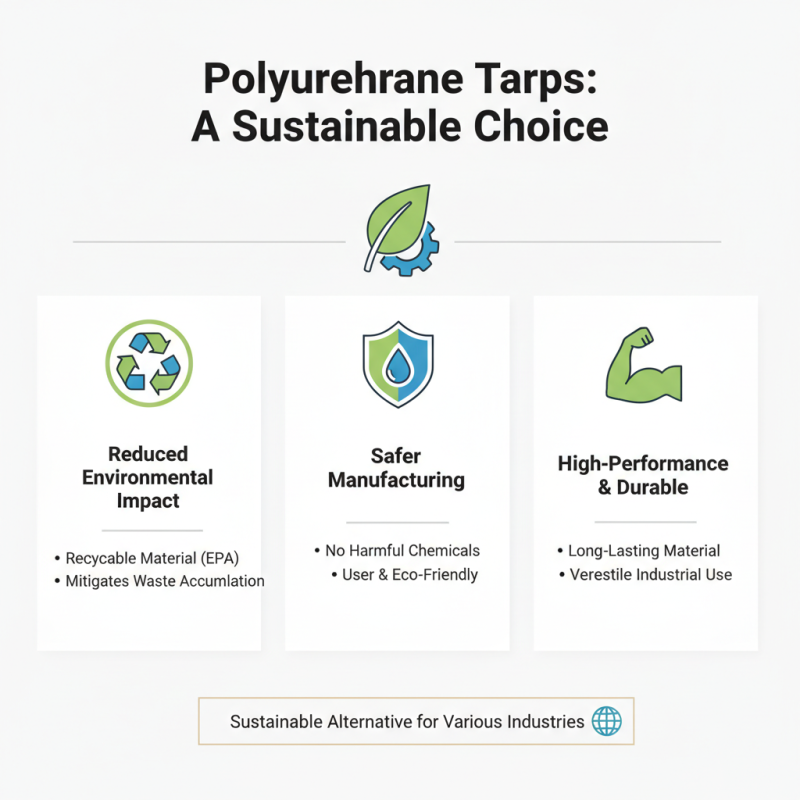
Polyurethane tarps offer a sustainable alternative in various industries. They are made from high-performance materials that are known for their durability and reduced environmental impact. According to the Environmental Protection Agency (EPA), polyurethane products can be recycled, which mitigates waste accumulation. Additionally, polyurethane tarps are often manufactured without harmful chemicals, making them a safer option for both users and the environment.
Environmental impact is a major consideration. Tarps made from polyurethane are lightweight, reducing transportation energy costs. Furthermore, they can withstand harsh conditions, meaning less frequent replacements. A study by the Sustainable Materials Institute highlighted that using long-lasting materials could cut down energy expenditures by almost 30%. However, the production process itself can create emissions, requiring manufacturers to adopt cleaner methods.
Tips: When looking for a tarp, check for certifications indicating low environmental impact. Research the manufacturer's sustainability practices. Finally, consider the tarp’s lifespan in terms of overall cost-effectiveness. Remember, even durable products can pose risks if not disposed of properly. Reflect on how your choices can affect waste management. Sustainable practices benefit everyone.
Maximizing Outdoor Durability: The Importance of Heavy-Duty Tarpaulins in Modern Camping Gear Based on Industry Data
When it comes to modern camping gear, the significance of heavy-duty tarpaulins cannot be overstated. Maximizing outdoor durability is essential for any camper, and heavy-duty tarps serve as a reliable barrier against unpredictable weather conditions. Crafted from top-notch polyethylene (PE) material, these tarps are known for their outstanding resilience. With a thickness of 11.8mil, they are designed to endure the harshest outdoor environments, making them ideal for camping trips that span multiple seasons.
The durability of heavy-duty tarpaulins is a key ingredient in creating a comfortable camping experience. Their robust construction allows them to withstand strong winds, heavy rain, and even snow accumulation, ensuring that campers remain protected while enjoying the great outdoors. Whether used as a ground cover, a makeshift shelter, or for cargo protection, the versatility offered by these tarps enhances both practical function and peace of mind.
Additionally, investing in high-quality tarpaulins not only boosts outdoor durability but also reduces long-term costs. Frequent replacements due to wear and tear can add up, but with heavy-duty options, campers can have confidence that their gear will last. Therefore, incorporating durable tarpaulins into camping gear is a strategic choice for enthusiasts looking to maximize their outdoor adventures while minimizing risks associated with inclement weather.
FAQS
: This product aims to enhance user experience in daily activities. It simplifies tasks for better efficiency.
Follow the instructions provided. Ensure proper setup before first use. Incorrect usage may lead to suboptimal results.
Yes, avoid exposure to moisture and extreme temperatures. Handle the product carefully to prevent damage or injury.
Review the troubleshooting section in the manual. Contact support if problems persist. Take notes on specific issues.
Sharing is possible but consider the implications. Each user may have different needs. Results can vary widely.
A limited warranty is offered. Check the terms for coverage details. Not all issues may be covered.
Follow local disposal regulations. Electronic waste should be recycled properly. Improper disposal can harm the environment.
There are several options on the market. Research is recommended to find products that meet your specific needs.
It depends on the specific product features. Outdoor use may affect performance. Consider potential risks and limitations.
Regular cleaning is essential for performance. Avoid harsh chemicals. Check for wear and tear frequently.
Conclusion
Polyurethane tarps offer numerous benefits across various applications, making them an ideal choice for both industrial and personal use. Their durability surpasses that of many other materials, ensuring longevity even in harsh conditions. These tarps provide excellent water resistance, protecting items from adverse weather elements while remaining lightweight for easy handling.
Moreover, the versatility of polyurethane tarps allows them to be utilized in a range of settings, further enhancing their appeal. From cost-effectiveness in the long term to a reduced environmental impact due to their sustainable properties, polyurethane tarps stand out as a smart investment for anyone seeking reliable protection and performance.


 Wanggou Industrial Park,Lanshan District, Linyi City, Shandong Province, China