Lately, Plastic Tarpaulin has really proved itself as a versatile and durable material, making it a must-have in so many industries. According to a report from Grand View Research, the global market for tarps is expected to hit around $2.9 billion by 2026. That growth is mainly thanks to increased demand from sectors like construction, farming, and transportation. As these industries keep evolving, it’s clear that the practicality and flexibility of Plastic Tarpaulin offer some pretty serious advantages—stuff you just can’t overlook.
Dr. William Thompson, a top expert in materials science, points out, “Plastic tarpaulin is super adaptable—you can use it for so many things, from protecting equipment to setting up quick shelters.” That really highlights what makes it so popular: waterproof, UV-resistant, and tough enough to handle a variety of tasks, whether at work or at home.
As more folks start to see how useful Plastic Tarpaulin really is, both businesses and regular people are realizing just how valuable it can be. It’s not just cost-effective—it’s resilient, too. Using Plastic Tarpaulin today isn’t just smart; it’s a pretty savvy move that can meet all kinds of different project needs with no fuss.
Overview of Plastic Tarpaulin and Its Uses
Plastic tarpaulin is a versatile material widely used across various industries due to its
durability and
water-resistant properties. Made from high-density polyethylene, it offers excellent protection against weather elements,
making it an ideal choice for construction sites, agricultural applications, and outdoor events. Its lightweight nature allows for easy handling and transportation,
while its sturdy construction ensures prolonged usage even in harsh environments.
One of the prominent uses of plastic tarpaulin is in agriculture, where it helps protect crops from extreme weather conditions, pests, and diseases.
Farmers often utilize tarpaulin as ground cover to prevent weed growth and retain soil moisture. Additionally, it finds application in
camping and outdoor activities, providing shelter and protection against rain, wind, and sunlight.
In industrial settings, plastic tarpaulin is used to cover machinery and materials, safeguarding them from potential damage and contamination.
Its multifunctionality makes it an essential tool for both personal and professional use.
Durability: Why Plastic Tarpaulin Lasts Longer than Other Materials
Plastic tarpaulin has gained significant popularity due to its remarkable durability, making it a preferred choice for various applications across different industries. According to a report by Research and Markets, the global tarpaulin market is projected to grow at a CAGR of 4.6% from 2021 to 2026, driven by the increasing demand for durable protective coverings. Unlike traditional materials such as canvas, plastic tarpaulins boast resistance to water, UV rays, mold, and mildew, which enhances their lifespan. A study by the American Society for Testing and Materials (ASTM) indicates that high-quality polyethylene tarpaulins can last up to 5-7 years under normal environmental conditions, while fabrics like cotton or canvas may need replacement within 1-2 years.
Another aspect of plastic tarpaulin's durability is its performance under extreme weather conditions. The versatility of polyethylene allows it to maintain integrity even in harsh climates—whether exposed to excessive heat or frigid temperatures. This ability to withstand temperature variations is validated by an independent analysis from the Institute of Materials, which highlights the thermal stability of plastic materials. Additionally, the resistance to tearing and puncturing means that plastic tarpaulins can endure heavy use in construction, agriculture, and transportation sectors, ultimately reducing the frequency of replacements and lowering overall costs. As industries increasingly focus on sustainable practices and cost-effective solutions, the adoption of durable materials like plastic tarpaulin is anticipated to rise significantly.
Water Resistance: Protection from Moisture and Harsh Weather
When it comes to protecting your assets from moisture and harsh weather conditions, plastic tarpaulins are an invaluable solution. Their water-resistant properties make them ideal for covering everything from construction sites to outdoor equipment. Made from durable materials, these tarpaulins act as a barrier against rain, snow, and wind, ensuring that whatever is underneath remains safe and dry. This feature is particularly crucial for businesses and individuals who rely on outdoor storage solutions or are involved in construction and landscaping projects.
Moreover, plastic tarpaulins are designed to withstand a variety of environmental factors without succumbing to wear and tear. Unlike traditional fabrics, which may absorb moisture and promote mildew growth, plastic tarps repel water effectively. This not only protects the underlying surfaces but also extends the longevity of any items covered. Whether you're preparing for a storm or simply need a reliable cover during rainy seasons, choosing a plastic tarpaulin can significantly enhance your ability to safeguard your belongings against the elements.
Lightweight and Portable Features of Plastic Tarpaulin
Plastic tarpaulins are increasingly favored for their lightweight and portable characteristics, making them a top choice for various applications. Weighing significantly less than traditional materials, plastic tarpaulins can be easily carried and deployed, whether for camping trips, outdoor events, or construction sites. Their flexible nature allows users to fold and pack them conveniently, ensuring they don’t occupy much space when not in use. This portability ensures that they can be readily available whenever needed, making them highly efficient for emergency cover or impromptu shelter.
In addition to their lightweight design, plastic tarpaulins boast a water-resistant property that enhances their usability in various weather conditions. This feature not only protects items from rain but also prevents moisture build-up, making them ideal for covering equipment or supplies during transportation. When combined with their ease of setup, plastic tarpaulins empower users to create temporary shelters or enclosures rapidly. This adaptability is invaluable for those requiring quick solutions, such as campers seeking shelter from unexpected weather changes or construction workers needing to shield materials from the elements. The lightweight and portable nature of plastic tarpaulins makes them an essential tool for both recreational and professional use.
Top Benefits of Plastic Tarpaulin: Why You Should Use It Today
| Benefit |
Description |
| Lightweight |
Easy to carry, making it convenient for various uses, from camping to construction. |
| Water Resistance |
Offers protection against rain and moisture, making it ideal for outdoor activities. |
| Durability |
Constructed to withstand wear and tear, ensuring long-lasting usage. |
| Versatility |
Can be used for a variety of applications including covering vehicles, shelter during outdoor events, and as a protective drop cloth. |
| Easy Storage |
Folds easily for compact storage when not in use, saving space. |
| Cost-Effective |
Affordable option for protective coverings compared to other materials. |
Cost-Effectiveness: Budget-Friendly Applications and Uses
Plastic tarpaulin is an incredibly cost-effective solution for a variety of applications, which makes it an essential choice for both personal and professional use. Its affordability allows for budget-friendly projects across different sectors, from construction sites to outdoor events. The lightweight nature of plastic tarpaulin means low transportation costs and ease of handling, making it accessible to a wide range of users. Whether you're covering landscaping materials or creating temporary shelters, the economical advantages are clear.
In addition to its initial low cost, plastic tarpaulin proves to be durable and long-lasting, reducing the need for frequent replacements. This can lead to significant savings over time, especially for businesses that rely on large quantities of material. Furthermore, its versatility makes it suitable for multiple uses, including water-resistant coverings, protection against UV rays, and even as a ground sheet. By investing in plastic tarpaulin, you not only save on immediate expenditure but also ensure that your resources are efficiently utilized in the long run, making it a smart choice for budget-conscious consumers and companies alike.
Top Benefits of Plastic Tarpaulin: Cost-Effectiveness in Various Applications
Versatile Applications in Agriculture and Construction
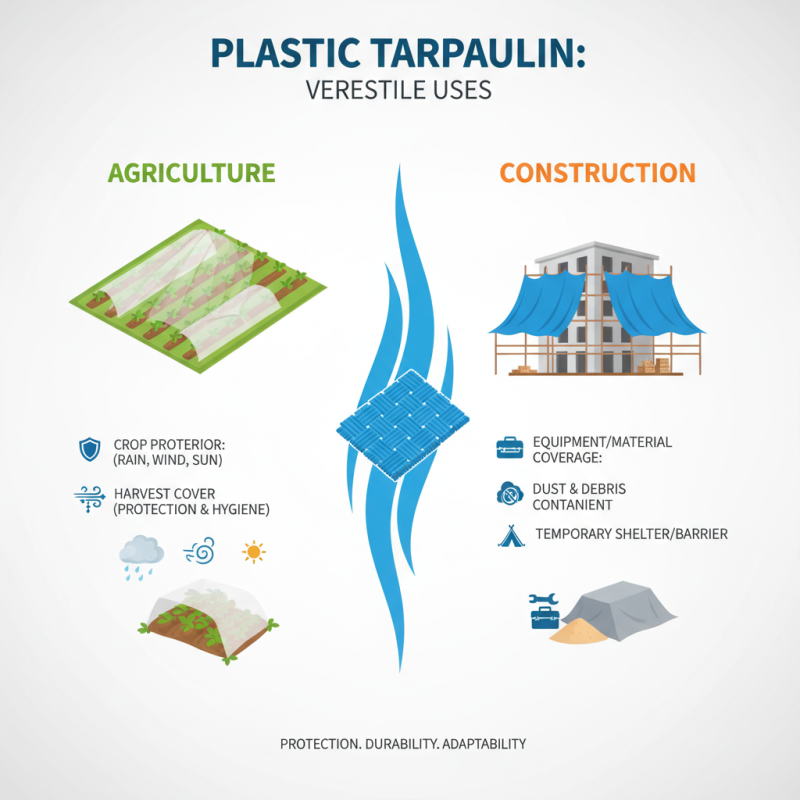
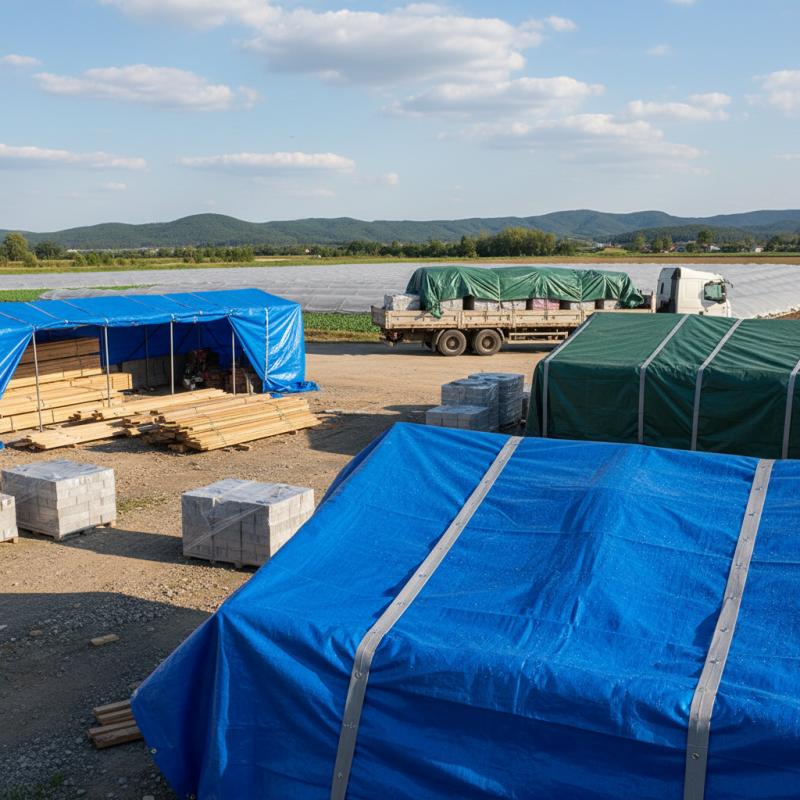
Plastic tarpaulin is a versatile material that finds extensive applications in both agriculture and construction. In agriculture, it is primarily used for protecting crops from varying weather conditions, such as heavy rain, wind, and intense sunlight. Farmers leverage plastic tarpaulin to cover seedlings and young plants, creating a microclimate that promotes healthy growth. Additionally, during harvest seasons, tarps provide a convenient way to protect produce from damage and contamination.
In construction, plastic tarpaulin serves multiple purposes, including site protection and moisture control. It can be used to cover scaffolding, protecting workers and materials from rain and debris. Furthermore, tarpaulin plays a significant role in ground covering to prevent soil erosion and promote a cleaner work environment. The lightweight nature of plastic tarpaulin makes it easy to transport and install, making it a preferred choice for construction teams.
**Tips:** When using plastic tarpaulin in agriculture, make sure to secure the edges firmly to prevent damage from wind. In construction, consider using UV-resistant tarps for long-term projects, ensuring they withstand sun exposure without degrading. Always check for punctures or tears before deployment to maximize the lifespan of the tarpaulin.
Environmental Impact and Recyclability of Plastic Tarpaulin
Plastic tarpaulin has become increasingly popular due to its versatility and durability, but it’s essential to consider its environmental impact and recyclability. Many manufacturers are now producing tarpaulin materials from recycled plastics, which significantly reduces waste and lessens the strain on natural resources. This shift towards sustainable production methods helps mitigate the negative effects of plastic waste in landfills and oceans, promoting a more responsible approach to usage.
Moreover, plastic tarpaulins can be recycled at the end of their lifecycle, making them a more eco-friendly option compared to traditional materials. While the recycling process can vary based on local facilities and regulations, many recycling centers now accept plastic tarps. By properly recycling these materials, consumers can contribute to a circular economy, where products are reused and regenerated, reducing the need for new raw materials. This not only conserves energy but also lowers greenhouse gas emissions associated with manufacturing new plastic products. Embracing plastic tarpaulin not only serves practical needs but also aligns with environmentally conscious practices, promoting a sustainable future.
FAQS
: Plastic tarpaulins provide protection from moisture and harsh weather conditions, acting as a barrier against rain, snow, and wind for various applications such as construction and outdoor storage.
Unlike traditional fabrics that can absorb moisture and promote mildew, plastic tarpaulins effectively repel water, ensuring that the surfaces underneath remain dry.
Yes, plastic tarpaulins are designed to withstand various environmental factors without wear and tear, making them a long-lasting protection option.
Plastic tarpaulins are cost-effective because they have a low initial price, are durable, and reduce the need for frequent replacements, ultimately leading to long-term savings.
Plastic tarpaulins can be used in diverse scenarios, including covering landscaping materials, creating temporary shelters, and protecting outdoor equipment from various weather conditions.
Yes, plastic tarpaulins can provide protection against UV rays in addition to being water-resistant, making them suitable for outdoor applications.
The lightweight nature of plastic tarpaulins facilitates low transportation costs and ease of handling, making them user-friendly for different applications.
Absolutely, plastic tarpaulins are versatile enough for both personal and professional uses, including construction projects and outdoor events.
Businesses benefit from the affordability, durability, and versatility of plastic tarpaulins, allowing them to save on costs and efficiently use resources over time.
Plastic tarpaulins act as a reliable cover during storms and rainy seasons, enhancing the protection of items stored outdoors or in construction sites against severe weather.
Conclusion
Plastic tarpaulin is a versatile and durable material widely used across various industries. Renowned for its longevity, plastic tarpaulin outperforms many other options due to its robust construction and ability to withstand harsh weather conditions. Its water resistance feature ensures effective protection from moisture, making it ideal for outdoor applications. Additionally, plastic tarpaulin is lightweight, portable, and budget-friendly, making it accessible for both personal and commercial use.
In agriculture and construction, plastic tarpaulin serves multiple functions, from offering shelter to equipment and crops to acting as a protective cover at work sites. Furthermore, its environmental impact is mitigated by its recyclability, making it a responsible choice for eco-conscious consumers. Overall, the numerous benefits of plastic tarpaulin highlight its importance and utility, encouraging its adoption in various applications today.


 Wanggou Industrial Park,Lanshan District, Linyi City, Shandong Province, China