For global buyers, choosing the right Fabric Tarp is a practical sourcing decision, not a simple product comparison. A tarp that looks strong online may crack after repeated folding, heavy rain, or strong sunlight. Field experience shows that fabric weight, coating quality, seam construction, and reinforced corners often determine real performance. Details matter.
This guide examines seven Fabric Tarp options for construction sites, agriculture, transport, storage, and outdoor protection. Each option is considered through useful specifications, including GSM, fabric denier, waterproof performance, UV resistance, grommet spacing, and edge reinforcement. Material choice also deserves attention. PVC-coated polyester may offer strong weather resistance, while polyethylene fabric can provide a lighter and more economical solution. Neither material is perfect for every application.
Reliable purchasing requires more than a low quotation. Buyers should request samples, technical datasheets, production photos, and clear inspection standards before placing large orders. Packaging quality and folded dimensions can also affect shipping costs across international routes. A supplier’s communication, testing records, and after-sales process reveal important signs of professionalism. Certifications may support confidence, but they should be verified against the intended market and application.
Some recommendations remain subjective. A tarp that performs well in a dry warehouse may disappoint under coastal wind and continuous moisture. That limitation is easy to overlook. The following selection offers a balanced starting point, while encouraging buyers to test fabric under their actual working conditions.
7 Best Fabric Tarps for Global Buyers
What Makes a Fabric Tarp Suitable for Global Buyers
A global-ready tarp must survive more than rain. It may face salt air, warehouse dust, intense sunlight, and repeated folding. UNCTAD’s Review of Maritime Transport reports that over 80% of world merchandise trade moves by sea. That makes UV stability, mildew resistance, and saltwater tolerance practical buying requirements. Tarpaulin Fabric should also have consistent weight and coating across the roll. A 650-gsm coated fabric feels noticeably stronger than a thin sheet, but weight alone proves little.
Look for test evidence, not attractive claims. ASTM D751 covers coated-fabric testing, including tensile and tear performance. ISO 811 measures resistance to water penetration. These tests help buyers compare samples from different countries. Check seam strength, eyelet spacing, edge reinforcement, and cold-weather flexibility. A tarp that cracks after one winter is not economical. Not even close.
The World Bank’s 2023 Logistics Performance Index compares logistics systems across 139 economies. Delays and rough handling remain realistic risks, so packaging matters. Each folded tarp should carry clear dimensions, fabric weight, batch identification, and care instructions. Ask for pre-shipment inspection records when the order is large. I would also request a small sample before approving a container load. Samples can mislead, though. Full-roll consistency sometimes fails. That uncomfortable possibility deserves attention.
| Fabric Tarp Type | Typical Fabric Construction | Typical Weight | Water Resistance | UV Resistance | Temperature Suitability | Best-Fit Global Applications | Main Advantages | Important Limitations | Global-Buyer Suitability |
|---|---|---|---|---|---|---|---|---|---|
| Vinyl-Coated Polyester Tarp | Woven polyester scrim with PVC or vinyl coating on both sides | Approximately 450–900 g/m² | Excellent when seams are properly welded or sealed | Excellent; suitable for extended outdoor exposure | Commonly suitable for approximately −30°C to 70°C, depending on formulation | Truck covers, machinery protection, construction sites, industrial storage, and heavy-duty cargo covering | High tear strength, strong abrasion resistance, flexible waterproof surface, and easy cleaning | Heavier and less breathable than woven fabrics; cold temperatures may reduce flexibility |
★★★★★ Strong all-round choice for demanding international shipping and industrial use |
| Polyethylene-Woven Tarp | HDPE or LDPE woven scrim laminated with polyethylene film | Approximately 80–240 g/m² | Good to very good with intact lamination and sealed edges | Moderate to excellent, depending on UV stabilizer content | Often suitable for approximately −20°C to 60°C, depending on grade | General cargo covering, agriculture, temporary shelters, landscaping, and retail distribution | Lightweight, economical, widely available, and easy to fold and transport | Lower abrasion and puncture resistance than heavy vinyl; low-cost grades may degrade faster in strong sunlight |
★★★★★ Practical for price-sensitive buyers and high-volume distribution |
| Canvas Tarp | Woven cotton, polyester, or cotton-polyester fabric with water-repellent treatment | Approximately 300–650 g/m² | Good when treated, but generally not fully waterproof under prolonged saturation | Good for moderate exposure; treatment and fiber blend affect performance | Usually suitable for approximately −20°C to 80°C, depending on coating and blend | Equipment covers, workshops, furniture protection, agricultural use, and breathable cargo covering | Breathable, strong, relatively quiet in wind, and less prone to condensation than non-breathable films | Can absorb moisture, become heavier when wet, and may develop mildew if stored damp |
★★★★☆ Suitable where breathability and a natural fabric feel matter |
| Acrylic-Coated Polyester Tarp | Woven polyester base with solution-dyed or surface-applied acrylic coating | Approximately 250–450 g/m² | Good to very good, depending on coating and seam construction | Excellent color and weather resistance | Commonly suitable for approximately −20°C to 70°C, depending on specification | Outdoor furniture, awnings, recreational covers, shade structures, and long-term outdoor displays | Good color retention, lower water absorption, and attractive appearance | Usually less abrasion-resistant than heavy PVC-coated fabric; may cost more than basic polyethylene |
★★★★☆ Well suited to buyers prioritizing appearance and long-term sunlight exposure |
| Silicone-Coated Nylon Tarp | Ripstop nylon fabric coated with silicone on one or both sides | Approximately 35–100 g/m² | Very good for its low weight when seams are carefully sealed | Moderate; prolonged UV exposure can reduce nylon strength | Commonly suitable for approximately −40°C to 80°C, depending on fabric grade | Camping shelters, emergency cover, lightweight field equipment, and expedition use | Extremely lightweight, compact, strong for its weight, and quick to deploy | More vulnerable to abrasion, heat damage, and long-term sunlight exposure than industrial vinyl |
★★★★☆ Best for low-weight logistics and portable outdoor equipment |
| Polyester Mesh Tarp | Knitted or woven polyester mesh with PVC or polymer coating | Approximately 250–600 g/m² | Limited to moderate because the open mesh permits airflow and water passage | Very good when UV-stabilized | Often suitable for approximately −30°C to 70°C, depending on coating | Truck side curtains, windbreaks, shade screens, fencing, scaffolding, and debris control | Reduces wind load, allows ventilation, and can provide shade without acting as a solid sail | Not suitable when complete waterproofing or fine-particle containment is required |
★★★★☆ Strong choice for ventilated covering and wind-management applications |
| Flame-Resistant Coated Fabric Tarp | Polyester or fiberglass base with a flame-resistant PVC, acrylic, silicone, or specialty coating | Approximately 350–1,000 g/m² | Good to excellent, depending on coating and seam design | Good to excellent when UV stabilizers are included | Performance varies widely; many products are designed for approximately −30°C to 70°C, while heat-resistant grades may tolerate higher temperatures | Welding curtains, hot-work areas, industrial barriers, emergency response, and regulated work environments | Can help reduce flame spread and provide robust protection in higher-risk workplaces | Flame resistance is specification-specific and does not make the material fireproof; certifications must match local regulations |
★★★★☆ Appropriate when safety documentation and regulatory compliance are purchasing priorities |

Note: Performance ranges are typical industry ranges and vary by fabric construction, coating formulation, edge finishing, seam design, and testing method. Global buyers should verify technical data sheets, UV and flame-test reports, chemical compliance, packing requirements, and destination-country regulations before purchase.
Fabric tarp performance depends on yarn, coating, weight, and construction. Woven polyethylene tarps are light and economical, but their edges can tear under repeated wind loading. Polyester offers better dimensional stability, while cotton canvas feels breathable and handles abrasion well. It absorbs water, though. That matters.
Pvc Tarpaulin Fabric usually provides stronger water resistance because its coating closes the fabric surface. A 500–900 g/m² PVC-coated polyester tarp can resist heavy rain and frequent handling, but higher weight increases transport cost. ASTM D751 testing can measure coating adhesion, tear strength, and hydrostatic resistance. Buyers should request these results, not rely on thickness alone.
Weather exposure changes the decision. The World Meteorological Organization’s State of the Global Climate 2023 reported record global heat, increasing concern about thermal aging. WHO guidance classifies a UV Index of 11 or higher as extreme. Under intense sunlight, untreated canvas may fade and weaken faster, while stabilized PVC and polyester generally retain protection longer. Still, coating quality varies widely. A tarp can look thick yet crack after cold storage. That is an easy mistake. I would also inspect seam construction, grommet reinforcement, and stated test conditions before comparing prices.
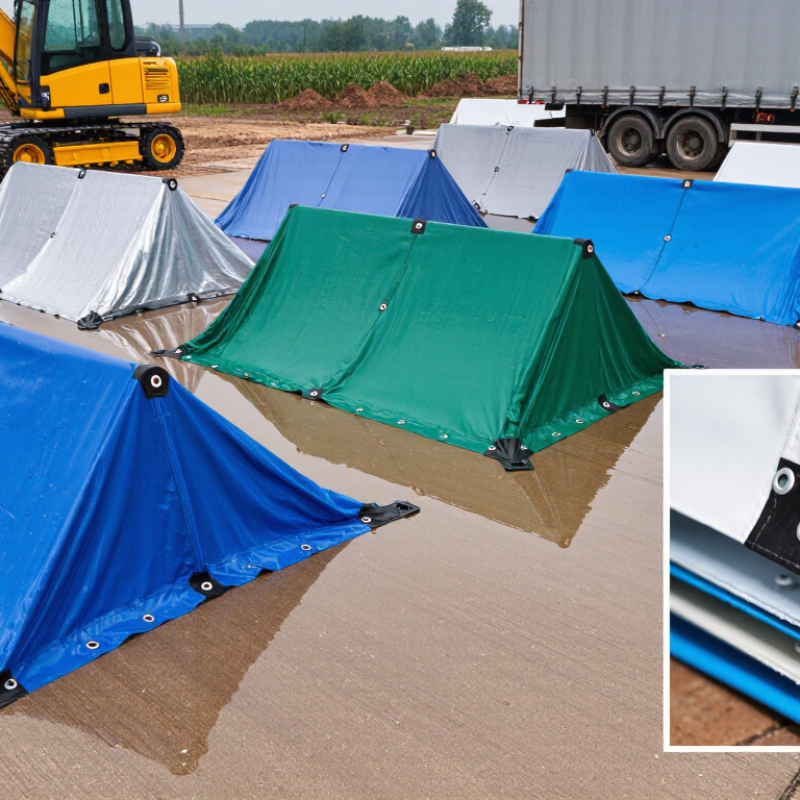
Global buyers need more than a waterproof sheet. They need the right fabric structure, coating, weight, and repair method. Common choices include PE woven tarps, PVC-coated polyester, canvas, vinyl-laminated fabric, mesh tarps, TPU-coated fabric, and silicone-coated nylon. A Tarpaulin Fabric Roll suits factories, warehouses, transport covers, agriculture, and temporary shelters. PE is light and economical. PVC-coated polyester offers stronger tear resistance and longer outdoor service. Canvas feels breathable, but it absorbs moisture without treatment.
Textile Exchange’s Materials Market Report 2024 states that global fiber production reached 124 million tonnes in 2023. Polyester represented about 59% of that volume. This supports the industry’s shift toward durable synthetic tarp fabrics, although durability does not automatically mean sustainability. Recycled content, coating chemistry, edge reinforcement, and end-of-life recovery still require verification. Reports from international testing bodies also stress measurable tensile strength, tear strength, hydrostatic pressure, and UV performance. Product data should show test methods, not only attractive claims.
Tips: Match fabric weight to wind, abrasion, and handling frequency. Check roll width before ordering. Inspect hems, eyelets, welds, and corner patches. For hot climates, request UV-aging results. For humid storage, avoid untreated canvas. My own choice can be wrong when local weather data is weak. A lighter tarp may perform better than a heavy one during frequent installation. Buyers should request samples and compare coating flexibility after folding. Confirm fire, chemical, and load requirements in the destination market.
Choosing among the 7 best fabric tarps depends on cargo, site conditions, and climate. A tarp is not universally suitable.
Heavy machinery needs thick fabric, reinforced corners, and strong webbing. Sharp edges require protective padding beneath the cover. For grain or bagged goods, choose a lightweight tarp with secure seams and limited moisture absorption. Hdpe Fabric Laminated Tarpaulin can provide useful tear resistance and water protection for demanding transport applications. However, always check coating thickness and tensile test data before ordering. I once selected a tarp by weight alone. That assumption was wrong.
Construction sites need tarps with durable hems, closely spaced eyelets, and resistance to repeated folding. Coastal locations demand corrosion-resistant fittings and strong UV stability. Cold climates require flexible fabric that will not crack during installation. Hot, humid areas need ventilation to reduce condensation under the cover. Even excellent waterproofing can trap moisture. That detail is often overlooked.
Tips: Measure the cargo first. Add space for tie-downs and airflow. Inspect seams before shipment. Match eyelet spacing to your anchoring system. Request sample testing in rain, sunlight, and cold conditions. Small mistakes become expensive during long-distance delivery.
A reliable fabric tarp starts with measurable specifications, not attractive photos. Compare fabric weight in GSM, weave density, and tear strength. A heavier tarp may resist abrasion better, but it can increase shipping costs and handling effort. For repeated outdoor use, check the coating type and hydrostatic pressure rating. Waterproof does not always mean fully leak-proof around seams. Heat-sealed seams usually perform better than simple stitching, especially during heavy rain.
UV resistance deserves close attention in global purchasing. Ask for test results showing color stability and tensile-strength retention after exposure. Temperature tolerance also matters when goods move from a cold warehouse to a hot loading area. I have seen flexible tarps become stiff after cold storage. That detail is easy to miss. Look for reinforced corners, rust-resistant grommets, and evenly spaced fastening points. A tarp with strong fabric can still fail at a weak eyelet.
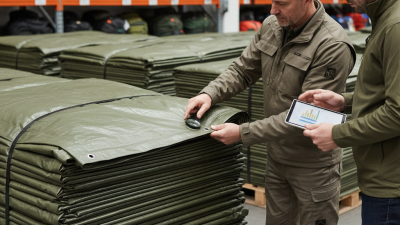
The best seven choices usually differ by purpose: light-duty covers, heavy-duty transport tarps, mesh tarps, flame-resistant fabrics, insulated covers, waterproof canvas, and laminated industrial sheets. Compare packed size, weight, repairability, and available dimensions. Request a physical sample before placing a large order. Test one corner, one seam, and several grommets yourself. Supplier documents can be useful, but they are not perfect. Confirm batch consistency, packaging quality, and inspection procedures. Small discrepancies may create expensive problems across international shipments.
7 Best Fabric Tarps for Global Buyers?
Choosing the best fabric tarp starts with its application, not its appearance. Heavy polyester tarps suit repeated outdoor use, while lighter woven fabrics reduce shipping weight. Check fabric density, coating thickness, tear strength, seam construction, grommet spacing, and UV performance. A tarp may look strong but fail around poorly reinforced corners. Ask for production samples, not only showroom pieces. Measure the sample after folding and drying. Small size changes can affect installation.
Compliance varies by destination and intended use. Request current test reports for material composition, restricted substances, colorfastness, and flame performance when required. Confirm that reports match the exact fabric, coating, and production site. Generic certificates deserve careful review. Product labels should show dimensions, fiber content, care information, and batch details where applicable. Requirements can differ between commercial and consumer markets. Verify them with an independent testing body or qualified local adviser.
Shipping details often decide the real cost. Compare packed volume, carton strength, moisture protection, pallet limits, and container loading plans. Clarify Incoterms, lead time, inspection points, and responsibility for damaged packaging. Supplier checks should include factory capacity, quality records, traceability, and corrective-action procedures. A video tour helps, but it cannot replace an on-site audit. My own buying assumption would need testing here: the lowest unit price may hide weak stitching, unstable coating, or expensive rework. Keep signed specifications and approve a pre-shipment sample before release.
Fabric weight is a practical first-screening indicator for durability, handling, freight cost, and intended use. The ranges shown are representative commercial specifications for generic tarp constructions, not brand or company data. Actual performance also depends on coating, weave density, seam design, UV resistance, and test documentation.
Buyer check: request the finished fabric weight in g/m², coating details, waterproofing test method, UV test evidence, restricted-substance compliance documents, packing dimensions, and pre-shipment inspection records before placing an order.
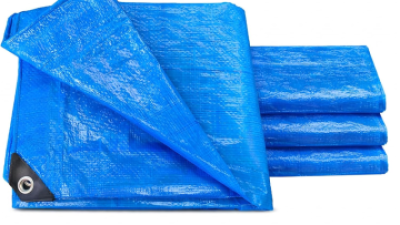
PE tarpaulin is a practical first line of defense for outdoor equipment, cargo, building materials, and agricultural supplies. Made from 100% polyethylene fabric, it combines low weight with high tear resistance, making installation and repositioning easier than with many heavier coverings. Its waterproof construction helps prevent rain penetration, while UV-resistant treatment slows fabric degradation caused by prolonged sunlight. This is especially valuable for temporary shelters, transport loads, warehouses, and open-air storage areas exposed to changing weather.
Performance should be evaluated through recognized testing methods rather than appearance alone. ISO 4892-3 accelerated-weathering procedures commonly expose polymer materials to fluorescent UV-A radiation at 340 nm, helping manufacturers assess color fading, embrittlement, and loss of tensile strength. Industry market analyses published in 2024 also identify construction, agriculture, logistics, and warehousing as major application sectors for tarpaulin products, reflecting continued demand for economical protective covers. Choosing reinforced edges, rust-resistant eyelets, heat-sealed seams, and an appropriate fabric weight can further improve service life. With proper tensioning and drainage, PE tarpaulin provides dependable protection against rain, sunlight, dust, and moisture while remaining easy to fold, transport, and reuse.
Choose fabric with stable weight, reliable coating, and reinforced edges. It should resist sunlight, mildew, salt air, and repeated folding. Weight alone proves little.
Woven polyethylene is light and economical, but wind can tear its edges. Polyester offers better shape stability. Cotton canvas feels breathable but absorbs water.
Coated polyester creates a tighter water barrier. It can handle heavy rain and frequent handling. Higher weight also raises shipping costs.
Strong ultraviolet exposure can fade and weaken untreated canvas. Stabilized coatings usually retain protection longer. Still, coating quality varies widely.
Request results for tensile strength, tear resistance, coating adhesion, and water penetration. Ask for the tested fabric weight and conditions. Attractive claims are not enough.
Wind pulls strongly around seams and eyelets. Look for close eyelet spacing, reinforced corners, and firm edge construction. Small details prevent large tears.
Yes, request a small sample before approving a large shipment. Check folding, stitching, coating, and cold flexibility. A sample can still mislead.
Each folded tarp should show dimensions, fabric weight, batch identification, and care instructions. Strong packaging helps during delays and rough warehouse handling.
Ask about low-temperature flexibility and inspect the coating for cracking. A thick tarp may still become brittle. That mistake is easy to make.
Choosing the right Fabric Tarp for international use requires more than comparing price and size. Global buyers should evaluate the tarp’s material, weave strength, coating, waterproof performance, UV resistance, tear protection, and temperature tolerance. Common options include woven polyethylene, PVC-coated fabric, canvas, mesh, reinforced laminated fabric, flame-resistant fabric, and lightweight utility tarps. Each type offers different advantages for cargo covering, construction sites, agriculture, outdoor storage, and temporary shelters.
The best selection depends on the cargo, installation method, local climate, expected service life, and transportation conditions. Before purchasing, compare dimensions, fabric weight, tensile strength, grommet spacing, edge reinforcement, folding requirements, and repairability. Buyers should also review product consistency, testing documentation, packaging, export experience, lead times, and communication practices. Clear specifications, sample checks, quality inspections, and reliable shipping arrangements can help reduce damage, delays, and unexpected costs while ensuring the Fabric Tarp performs effectively across different international applications.