Have you noticed how Polyurethane Tarps are really making waves across different industries? According to the Plastics Industry Association, the market for these tarps could hit over a billion bucks by 2026. Crazy, right? A big part of that’s because of how versatile and durable these tarps are. They’re water-resistant and give good UV protection, so they’re pretty much perfect for outdoor stuff. You’ll mostly find construction companies and farmers using them — farmers use these tarps to protect crops from nasty weather, and since they’re lightweight, they don’t weigh down the plants. On the flip side, builders love the strength and ease of use — less downtime, more work done, you know? But, fair warning — it’s not all smooth sailing. You gotta be smart about choosing the right tarp for your needs. Using the wrong type can end up costing you more in the long run or just not doing the job. So, it’s a good idea to do some homework and really understand what makes these tarps tick before you dive in.

Top Features of Polyurethane Tarps
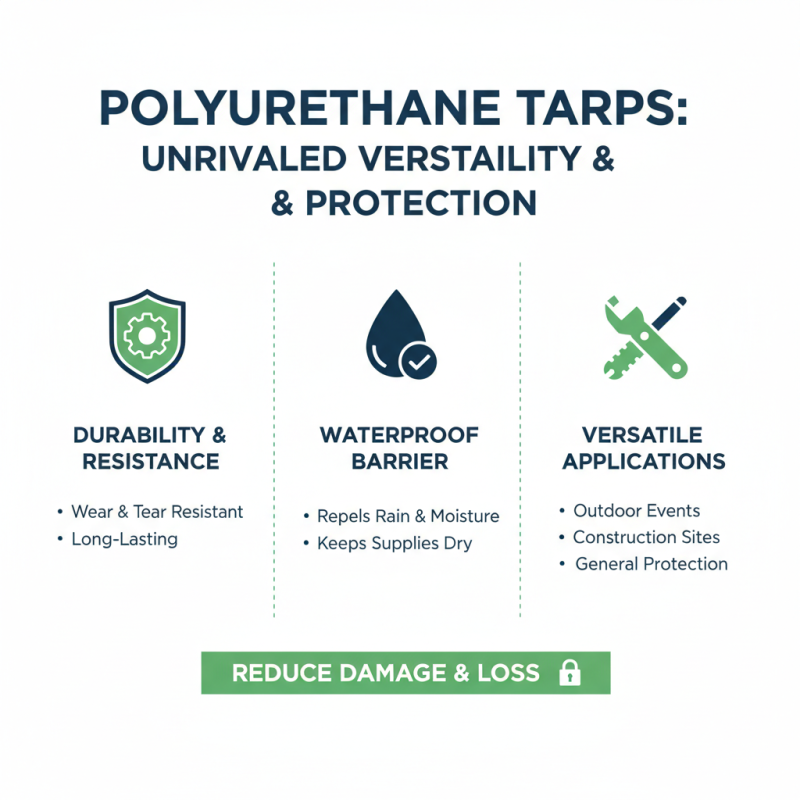
Polyurethane tarps are versatile and incredibly useful. They offer excellent durability and resistance to wear, which makes them ideal for various applications. Whether used for outdoor camping, construction sites, or covering equipment, their lightweight nature makes them easy to handle. Most tarps are waterproof, preventing moisture damage and ensuring your items stay dry.
One key feature of polyurethane tarps is their UV resistance. This helps protect stored goods from sun damage over extended periods. Easy to clean with soap and water, they retain their shape even after heavy use. However, some might find them slippery in wet conditions. This could lead to potential safety hazards that require attention.
Additionally, these tarps are available in various colors and sizes. This allows users to choose based on their specific needs. But not all tarps are created equal, and selecting the right one can be challenging. Consider your specific requirements and the environmental conditions the tarp will face. Having too many options can sometimes complicate decisions, but it also allows for tailored solutions.
Common Applications of Polyurethane Tarps
Polyurethane tarps are incredibly versatile. They offer protection in various applications. These tarps are commonly used for outdoor events, construction sites, and agriculture. They are lightweight and durable. This makes them perfect for covering equipment or as temporary shelters.
In agriculture, polyurethane tarps protect crops from harsh weather. They shield plants from rain and wind. Farmers appreciate their ability to maintain moisture levels in the soil. Outdoor event organizers rely on these tarps for stages and equipment protection. They are easy to install and can withstand heavy use.
**Tip:** When choosing a tarp, consider the weight and size. Thicker tarps offer better protection, but they can be heavier to handle.
In construction, these tarps cover materials and machinery from rain. They are resistant to tears and UV rays, making them ideal for long-term projects. However, it's essential to ensure proper fastening to avoid accidental slips. A poorly secured tarp can lead to damage or injuries.
**Tip:** Regularly inspect your tarp for wear and tear. Even small holes can lead to bigger problems if left unchecked.
Benefits of Using Polyurethane Tarps
Polyurethane tarps are incredibly versatile and offer numerous benefits. They are known for their durability and resistance to wear and tear. This makes them ideal for various applications, from outdoor events to construction sites. Their waterproof nature means they protect against rain and moisture. They can keep supplies dry, reducing the risk of damage and loss.
Another advantage of polyurethane tarps is their lightweight design. This makes handling and setting up easy. Many users appreciate this feature during expeditions or camping trips. They can be folded compactly, saving space in storage. Users often find them suitable for temporary shelters or ground cover.
Moreover, polyurethane tarps are resistant to UV rays. This quality helps preserve their integrity over time. However, it’s important to monitor them for signs of aging. Sometimes, a tarp might wear down faster than expected, requiring replacements. Opting for a 30 Tarp might be wise for those needing larger surfaces. With the right care, these tarps can last for years, making them a worthwhile investment.
Comparing Polyurethane Tarps to Other Materials
When comparing polyurethane tarps to other materials, their versatility stands out. Polyurethane tarps are durable and resistant to various weather conditions. They are lighter than vinyl tarps, making them easier to transport. This feature can be crucial for outdoor activities.
Many users underestimate the importance of weight. A heavy tarp can be challenging to handle during setup. Consider a 6m Tarp; its lighter weight can simplify tasks. This can save energy, especially after a long day. However, some may find the initial cost of polyurethane tarps higher. It’s essential to weigh their long-term benefits against upfront expenses.
Tips for using tarps? Always inspect for damages before use. Even minor tears can worsen in harsh weather. If you need a temporary shelter, ensure proper securing to avoid unwanted movement. Experiment with different materials before settling on one. This can lead to unexpected findings on performance and convenience.
2026 Top Uses for Polyurethane Tarp and Its Benefits
This chart illustrates the top applications for polyurethane tarps in 2026, highlighting their frequency of use across various sectors. The data highlights the versatility and advantages of polyurethane tarps compared to other materials.
Maintaining and Caring for Polyurethane Tarps
Polyurethane tarps are known for their durability and versatility. However, to keep them in top condition, it is essential to maintain and care for them properly. Regular cleaning is the first step. Use mild soap and water to remove dirt and stains. Avoid harsh chemicals as they can damage the tarp material. A simple sponge or soft brush works best for scrubbing away grime.
Drying your tarp thoroughly after cleaning is crucial. Roll it up only when it's completely dry to prevent mold growth. Store it in a cool, dry place away from direct sunlight. If the tarp gets unwound and exposed, the material may degrade. It's simple but effective care. Checking for tears or damage regularly ensures timely repairs, prolonging its life. Consider using patches for small holes instead of replacing the entire tarp.
Remember, maintaining your polyurethane tarp is an ongoing process. Sometimes, we overlook small imperfection areas, which can lead to bigger issues later. Learning from past experiences can help you take better care of your tarps in the future. Tarp maintenance isn’t glamorous, yet it’s necessary for preserving that investment.
Customization Options for Polyurethane Tarps
Customization options for polyurethane tarps are extensive. These versatile tarps can be tailored to meet specific demands. For instance, you can select different colors, sizes, and thicknesses based on your needs. Research indicates that the market for tarps is projected to grow, reaching $12 billion by 2026. This growth aligns with increased demand for customized solutions.
When choosing a polyurethane tarp, consider reinforcement options. Heavy-duty grommets and seams can enhance durability. Custom printing is another feature. This allows for logos or branding, making your tarp not just functional but also promotional. Some users report challenges with sizing. Getting the dimensions just right can be tricky. A tarp that fits poorly may not perform as expected.
In usage scenarios, a 20 Tarp serves as an example. Many users appreciate the light weight paired with strength. This specific size is popular among outdoor enthusiasts. However, its versatility means it can also cater to industrial applications. Nevertheless, some users find it difficult to manage larger tarps alone. Improving on these aspects could lead to better user experiences.
2026 Top Uses for Polyurethane Tarp and Its Benefits
| Usage |
Benefits |
Customization Options |
| Construction Site Covers |
Durable, weather-resistant protection for materials |
Color choices, custom sizes, reinforced edges |
| Camping Tarps |
Lightweight, easy to pack, waterproof shelter |
Various colors, different thicknesses, grommet placement |
| Agricultural Covers |
Protects crops from harsh weather and pests |
Custom lengths, UV resistance, breathable options |
| Marine Tarps |
Waterproof, resistant to mildew and mold |
Custom fit, color options, additional UV protection |
| Furniture Covers |
Protects against dust, moisture, and UV rays |
Tailored sizes, breathable fabrics, easy-clean finishes |
Future Trends in Polyurethane Tarp Usage
In recent years, polyurethane tarps are gaining popularity across various industries. Their versatility stands out. As we look toward 2026, innovative applications are emerging. Tarp 4x6 sizes provide excellent coverage for both small and medium-scale projects.
The construction field shows a growing trend in tarp usage. Workers use them for equipment protection and site covering. These tarps resist moisture and UV rays effectively. This durability makes them a reliable choice.
Another area to watch is outdoor events. People are using these tarps for weather protection, enhancing user experience significantly.
Tips:
- Always check the material thickness when purchasing. A thicker tarp generally offers better durability.
- Consider the environment where you will use the tarp. Lightweight options may suffice in calm conditions but fail in storms.
- Don't overlook proper cleaning and storage after use. It can extend the life of your polyurethane tarp significantly.
Maximizing Durability and Performance: Insights from Industry Reports on Blue Orange Pe Tarpaulin for Construction Applications
Blue Orange PE tarpaulin has emerged as a vital material in construction applications, where durability and performance are paramount. Industry reports indicate that high-quality tarpaulins made from polyethylene (PE) not only provide excellent waterproof properties but also resist chemicals and fire. These characteristics make them ideal for protecting equipment and materials on construction sites, ensuring longevity even in harsh weather conditions. As reported by leading industrial studies, the demand for versatile tarpaulins has increased due to their adaptability across various applications, from covering heavy machinery to setting up temporary shelters.
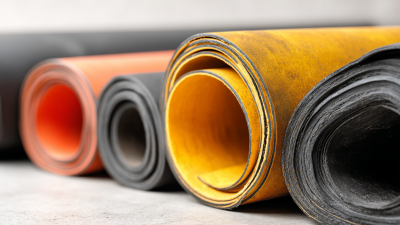
When selecting tarpaulins, the choice of thickness and strength is crucial, especially for commercial and industrial applications. The availability of blue/orange color options enhances visibility on sites while also meeting safety regulations. Reports suggest that thicker tarpaulins offer better resistance to tearing and abrasion, which is essential in high-stress environments. Our extensive inventory includes a variety of tarpaulin options, including those made from vinyl, neoprene, and canvas, allowing users to find the right fit for any outdoor need. Furthermore, while many contractors seek lightweight solutions, thicker, high-temperature silica fabric can be advantageous for applications like welding screens and heat shields, highlighting the flexibility and safety that quality tarpaulin provides.
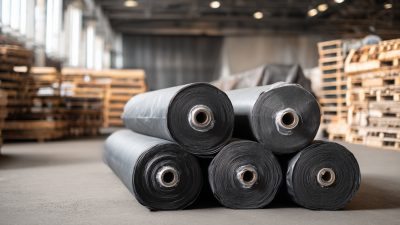
Moreover, the shift towards economical solutions has underscored the importance of providing tarpaulin by the sheet or roll. This flexibility allows for tailored usage tailored to specific project requirements, ultimately optimizing resource allocation in construction. Industry insights emphasize that this adaptability, combined with high-quality production standards, positions blue/orange PE tarpaulin as an unrivaled choice for enhancing operational efficiency and performance in construction applications.
FAQS
: The article focuses on various aspects of lifestyle changes for better health.
Start with small changes like drinking more water and walking regularly. Consistency is key.
Incorporate fruits and vegetables into meals. Aim for balanced nutrition daily.
Mental health is crucial. Taking breaks and practicing mindfulness can really help.
Regular exercise boosts mood and energy levels. It also supports overall physical health.
Yes, stress can lead to various health issues. Finding coping strategies is essential.
Poor sleep affects mood and performance. Aim for 7-9 hours of quality sleep nightly.
Reflecting on goals and failures is valuable. Growth often comes from facing challenges.
Set realistic goals and celebrate small achievements. Avoid comparing with others.
Reassess your goals and remind yourself of your reasons. It’s okay to feel unmotivated sometimes.
Conclusion
The article "2026 Top Uses for Polyurethane Tarp and Its Benefits" explores the versatile applications and significant advantages of using polyurethane tarps across various industries. It highlights key features such as durability, water resistance, and flexibility, making these tarps ideal for outdoor events, construction sites, and agriculture. The discussion also includes comparisons with other materials, showcasing the superior properties of polyurethane tarps in terms of longevity and maintenance.
Furthermore, the article addresses the importance of proper care to extend the lifespan of these tarps and delves into available customization options to meet specific user needs. As industries evolve, the future trends in polyurethane tarp usage indicate an increasing reliance on this material due to its practicality and effectiveness. Overall, polyurethane tarps stand out as a reliable solution for various environmental challenges, ensuring protection and adaptability in diverse applications.


 Wanggou Industrial Park,Lanshan District, Linyi City, Shandong Province, China